Bonjour, mes amis! Ever dreamt of ordering tapas like a true Spaniard? Or maybe you’re just intrigued by the melodious sounds of the Spanish language? Well, buckle up, because today we’re diving headfirst into one of the most fascinating (and, let’s be honest, sometimes tricky) aspects of Spanish: the verbs that dipthongize in the present indicative.
Now, I know what you might be thinking: “Dipthong-what-now?” Don’t worry, it’s much easier than it sounds. Think of it as adding a little extra oomph to certain verbs when you’re talking about what’s happening right now. Think of it as the Spanish language’s way of adding a bit of flair!
Decoding the Dipthong: What Exactly Are We Talking About?
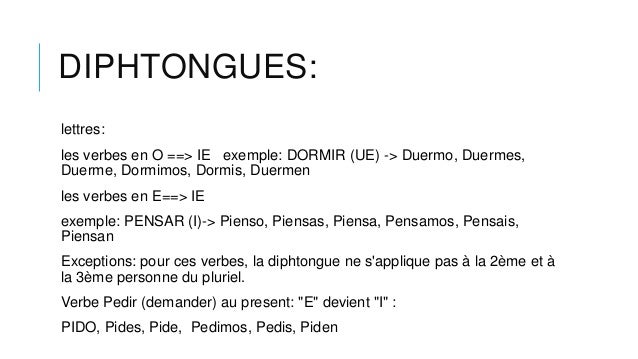
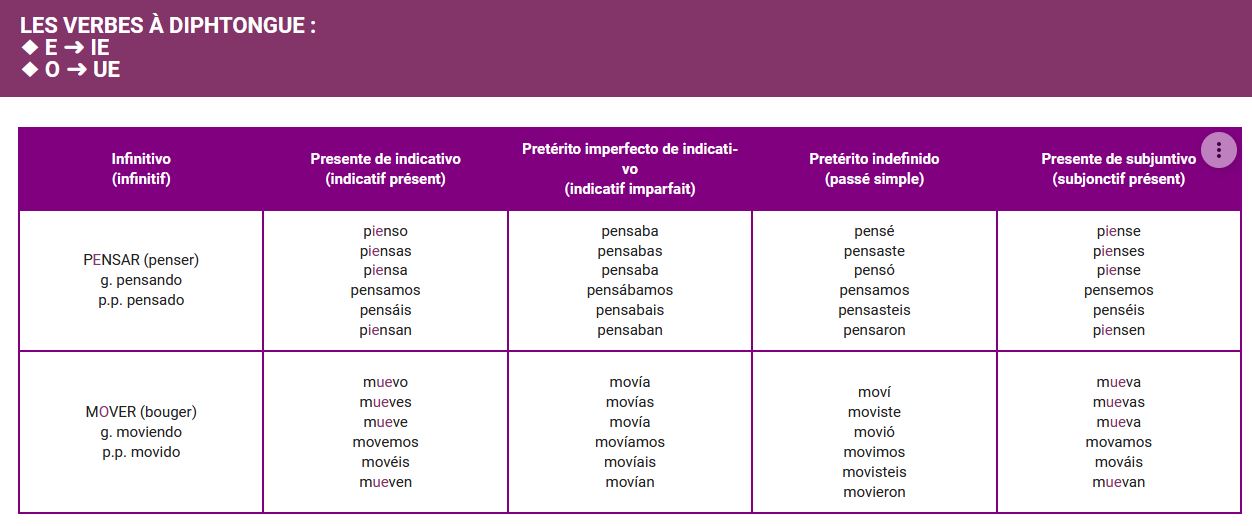
A dipthong, at its simplest, is the combination of two vowel sounds within the same syllable. In Spanish, the most common dipthongizing verbs involve the vowels e and o changing to ie and ue respectively in most forms of the present indicative.
Think of it like this: the vowel is getting a little shy and needs a friend to come along for the ride.
Here’s the lowdown:
- e often becomes ie: Example: pensar (to think) becomes pienso (I think).
- o often becomes ue: Example: poder (to be able to) becomes puedo (I can).
Let’s break it down even further.
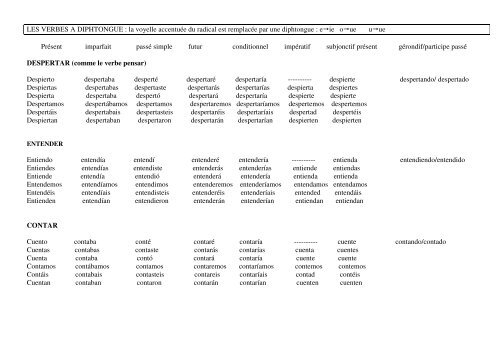
The e to ie Conversion
This is probably the most common dipthongization you’ll encounter. Many frequent verbs fall into this category. Consider these examples:
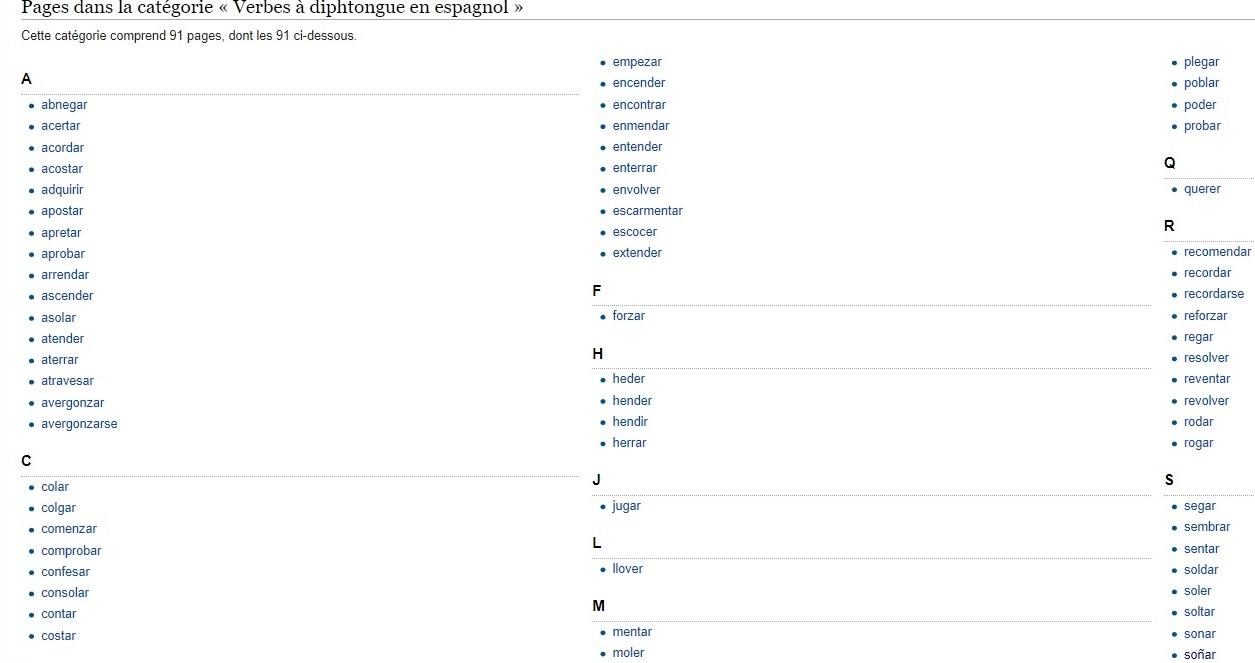
- Empezar (to begin): Empiezo, empiezas, empieza, empezamos, empezáis, empiezan
- Querer (to want): Quiero, quieres, quiere, queremos, queréis, quieren
- Preferir (to prefer): Prefiero, prefieres, prefiere, preferimos, preferís, prefieren
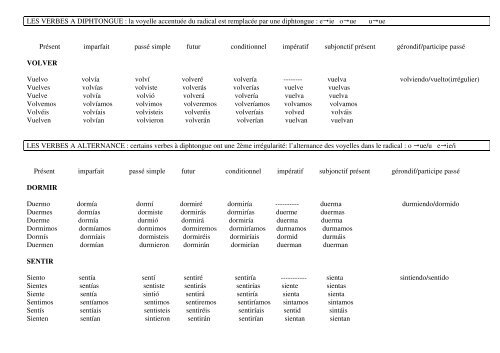
- Sentir (to feel): Siento, sientes, siente, sentimos, sentís, sienten
- Perder (to lose): Pierdo, pierdes, pierde, perdemos, perdéis, pierden
Notice something important! The nosotros (we) and vosotros (you all, used mainly in Spain) forms don’t change. They stick with the original vowel. This is a crucial point to remember!
Tip: A handy way to remember which verbs dipthongize is to think about how often you use them. The most common verbs tend to be the ones that require a little vowel gymnastics.
The o to ue Conversion
This change also affects a significant number of Spanish verbs. Here are some examples:

- Poder (to be able to): Puedo, puedes, puede, podemos, podéis, pueden
- Contar (to count/tell): Cuento, cuentas, cuenta, contamos, contáis, cuentan
- Dormir (to sleep): Duermo, duermes, duerme, dormimos, dormís, duermen
- Volver (to return): Vuelvo, vuelves, vuelve, volvemos, volvéis, vuelven
- Encontrar (to find): Encuentro, encuentras, encuentra, encontramos, encontráis, encuentran
Again, notice the consistency: nosotros and vosotros remain unchanged. The vowel party only happens in the other forms.
Fun Fact: The word huevo (egg) is derived from the Latin ovum, and you can see the o to ue shift in action!
Common Pitfalls (and How to Avoid Them!)
Learning dipthongizing verbs can be a bit like navigating a tapas bar on a Friday night – exciting, but potentially overwhelming. Here are a few common mistakes to watch out for:
- Forgetting the nosotros and vosotros exceptions. This is the number one culprit! Drill yourself on these forms to avoid errors.
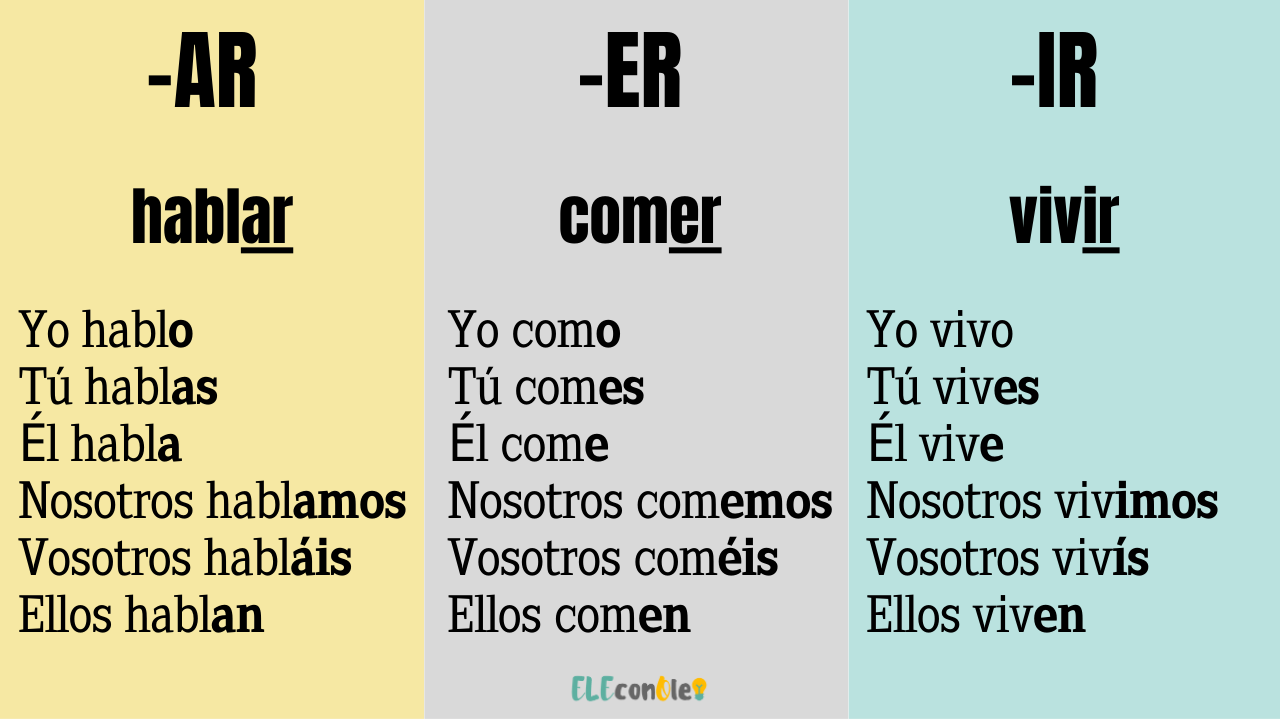
- Assuming all e and o verbs dipthongize. Not all of them do! Many verbs remain perfectly well-behaved. For example, comer (to eat) doesn’t change at all.
- Overthinking it! Sometimes, the best approach is simply to practice. The more you use these verbs, the more natural they will become.
Practical Tip: Create flashcards with the verb conjugations. Review them regularly, paying special attention to the nosotros and vosotros forms. Online quizzes and apps are also great for reinforcing your knowledge.
Dipthongizing Verbs in Everyday Conversation
Now, let’s see how these verbs play out in real-life scenarios. Imagine you’re in Madrid, soaking up the sun and enjoying the vibrant culture:
- “Quiero tapas, por favor.” (I want tapas, please.)
- “Pienso que el jamón ibérico es delicioso.” (I think that Iberian ham is delicious.)
- “No puedo creer lo hermoso que es este lugar.” (I can’t believe how beautiful this place is.)
- “Vuelvo a España pronto, ¡lo prometo!” (I’ll return to Spain soon, I promise!)
- “¿A qué hora empiezas a trabajar?” (What time do you start working?)
See? They’re everywhere! Once you start recognizing them, you’ll begin to understand and use them more confidently.
Beyond the Basics: Stem-Changing Verbs That Go the Extra Mile
While the e to ie and o to ue changes are the most common, there are other types of stem-changing verbs in Spanish. These often involve a change from e to i or u to ue. For instance:
- Pedir (to ask for): Pido, pides, pide, pedimos, pedís, piden (e changes to i except in nosotros and vosotros)
- Jugar (to play): Juego, juegas, juega, jugamos, jugáis, juegan (u changes to ue)
While these fall outside the strict definition of e to ie and o to ue, it’s good to be aware that other vowel shifts can occur within verb conjugations. Think of it as bonus Spanish knowledge!

Cultural Connection: Spanish is a language deeply rooted in history and culture. Understanding its intricacies, like dipthongizing verbs, allows you to appreciate the language on a deeper level and connect with Spanish speakers in a more meaningful way.
Final Thoughts: Embracing the Dipthong and Beyond
Learning dipthongizing verbs is a journey, not a destination. There will be moments of frustration, but also moments of “aha!” and accomplishment. Embrace the challenge, practice regularly, and don’t be afraid to make mistakes. Every stumble is a step closer to fluency.
In daily life, these verbs are more than just grammar rules; they’re the building blocks of communication. They allow us to express our thoughts, feelings, and intentions in a vibrant and nuanced way. Think about how often you want something (quiero), how often you think something (pienso), or how often you can do something (puedo). These verbs are essential for navigating the world and connecting with others.
So, the next time you hear a Spanish speaker effortlessly using these verbs, remember that you’re on your way there too. Keep practicing, keep learning, and keep enjoying the beautiful sounds of the Spanish language. ¡Buena suerte!