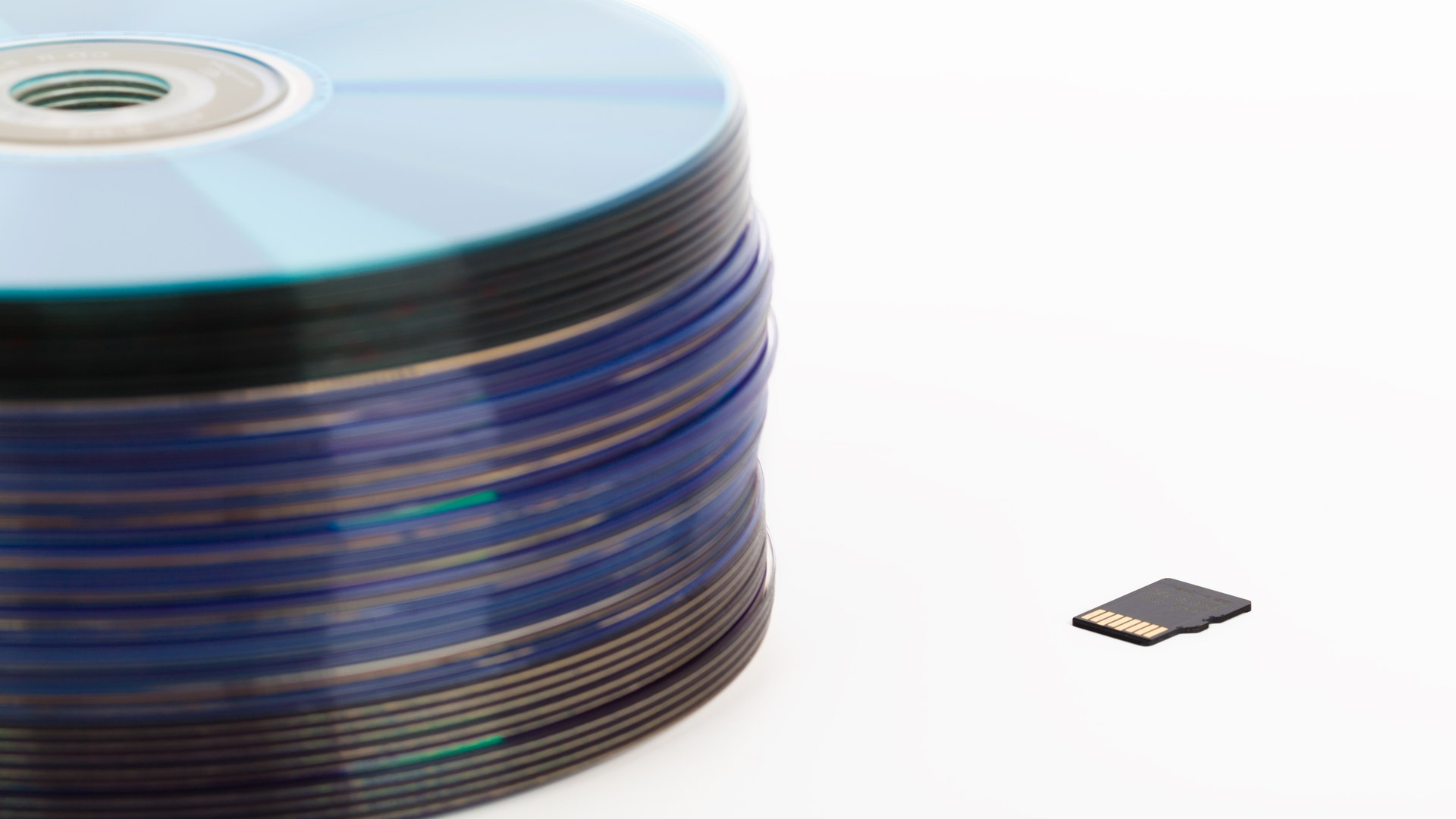
Salut tout le monde ! Ever wondered how we got from bulky tapes to tiny little USB drives that can hold entire libraries? It’s a wild ride, and today, we’re going on a little time-traveling adventure through the history of data storage. From the super-ancient to the super-modern, let’s check it out!
The Stone Age of Storage: Punch Cards
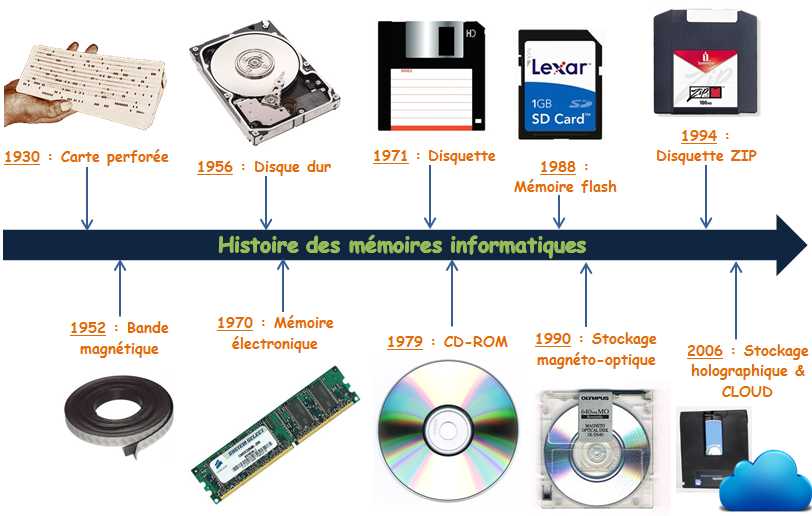
Okay, maybe not actually stone age. But picture this: massive rooms filled with whirring machines and giant stacks of cards with holes punched in them. That’s the reality of early data storage with punch cards!
Think of it like this: each hole (or lack thereof) represented a bit of information. To “read” the data, machines would use brushes or light sensors. If the brush went through a hole, it meant “1”; if not, it meant “0.” Sounds tedious, right? It was! But it was also revolutionary at the time.
Used extensively in the 19th and 20th centuries for everything from controlling textile looms (thank you, Mr. Jacquard!) to early computing, punch cards were the OG data storage. Can you imagine trying to play Fortnite on a machine that used punch cards? Talk about lag!
Why were they cool?
- They automated processes. Before, everything was manual!
- They were somewhat reliable (for their time). As long as you didn’t bend or tear the cards…
- They were a tangible representation of data. You could literally see the information.
Magnetic Tape: The Analog Ancestor
Next up, we have magnetic tape. Think of it like a giant cassette tape for computers. Data was stored as magnetic patterns on a long, thin strip of plastic coated with a magnetic material.
Think of it like rewinding a cassette tape to find your favourite song. Only slower. Much slower. And way more expensive. Sequential access was the name of the game here, meaning you had to wind through the entire tape to find the data you needed. Not exactly ideal for quickly accessing files!
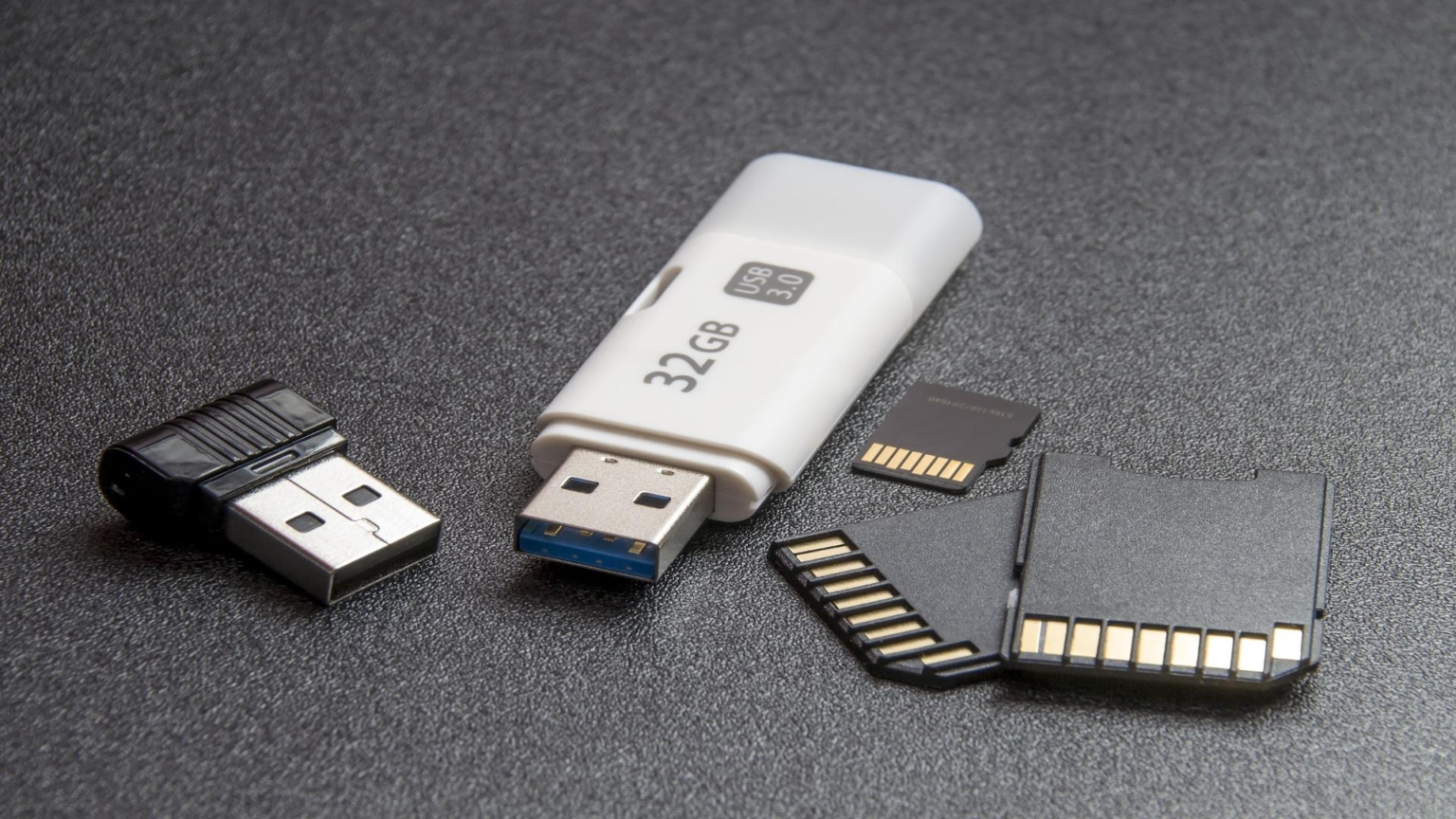
Despite its limitations, magnetic tape dominated data storage for a long time, especially for backing up large amounts of information. Why? Because it was relatively cheap and could hold a lot of data compared to punch cards. It’s like the difference between storing your clothes in a shoebox versus a whole closet!
What made it magnetic?
- Large capacity. Could store way more data than punch cards.
- Relatively inexpensive. Cheaper per byte than other options.
- Good for backups. Ideal for archiving large datasets.
Floppy Disks: The Portable Pioneers
Ah, the floppy disk! Remember these guys? The square, bendy disks that made that satisfying “click” sound when you inserted them into a drive? These were a huge step forward in terms of portability. Suddenly, you could actually carry your data from one computer to another!
Available in various sizes (8-inch, 5.25-inch, and the iconic 3.5-inch), floppy disks became the go-to storage medium for personal computers in the 1970s and 80s. Think of them as the USB drives of their day. You could save your school reports, your BASIC programs, and even a few (very small) games on these little guys.
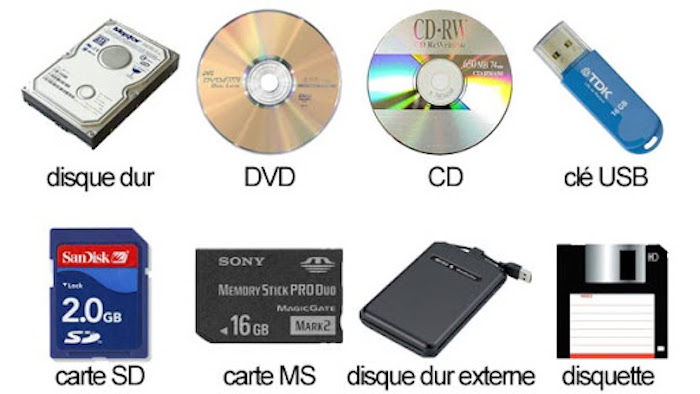
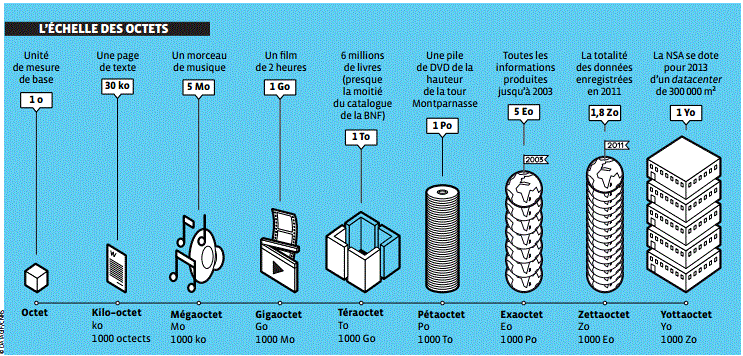
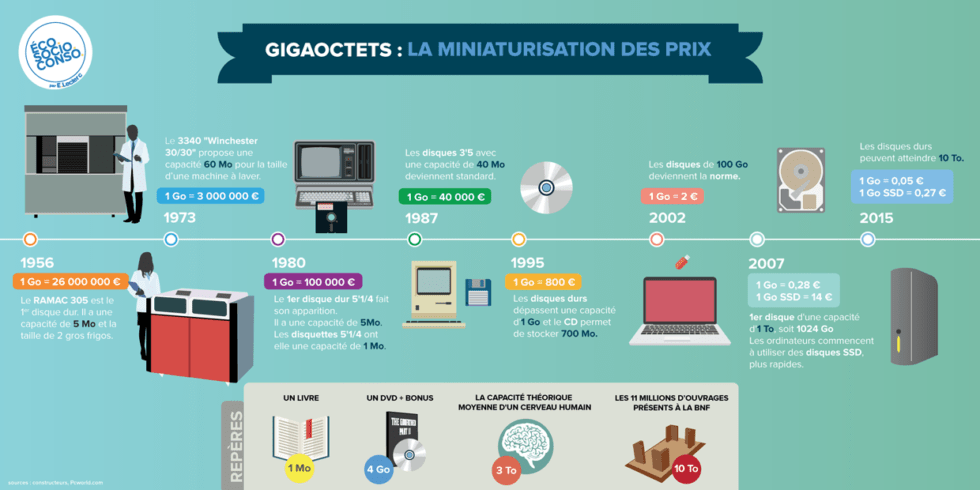
But let’s be honest, they weren’t exactly known for their reliability. Remember the dreaded “Disk Error” message? Or the fear of getting a floppy disk too close to a magnet? Those were dark days! Plus, their storage capacity was limited. A 3.5-inch floppy disk could hold only 1.44 MB of data. That’s less than a single modern-day photo! Still, they were a revolution, bringing portable data storage to the masses.
Floppy Fun Facts:
- Portable! Easier to carry around than tapes.
- More convenient access. Faster access than tape (although still slow by today’s standards).
- Relatively affordable. Made personal computing more accessible.
Hard Disk Drives (HDDs): The Workhorses
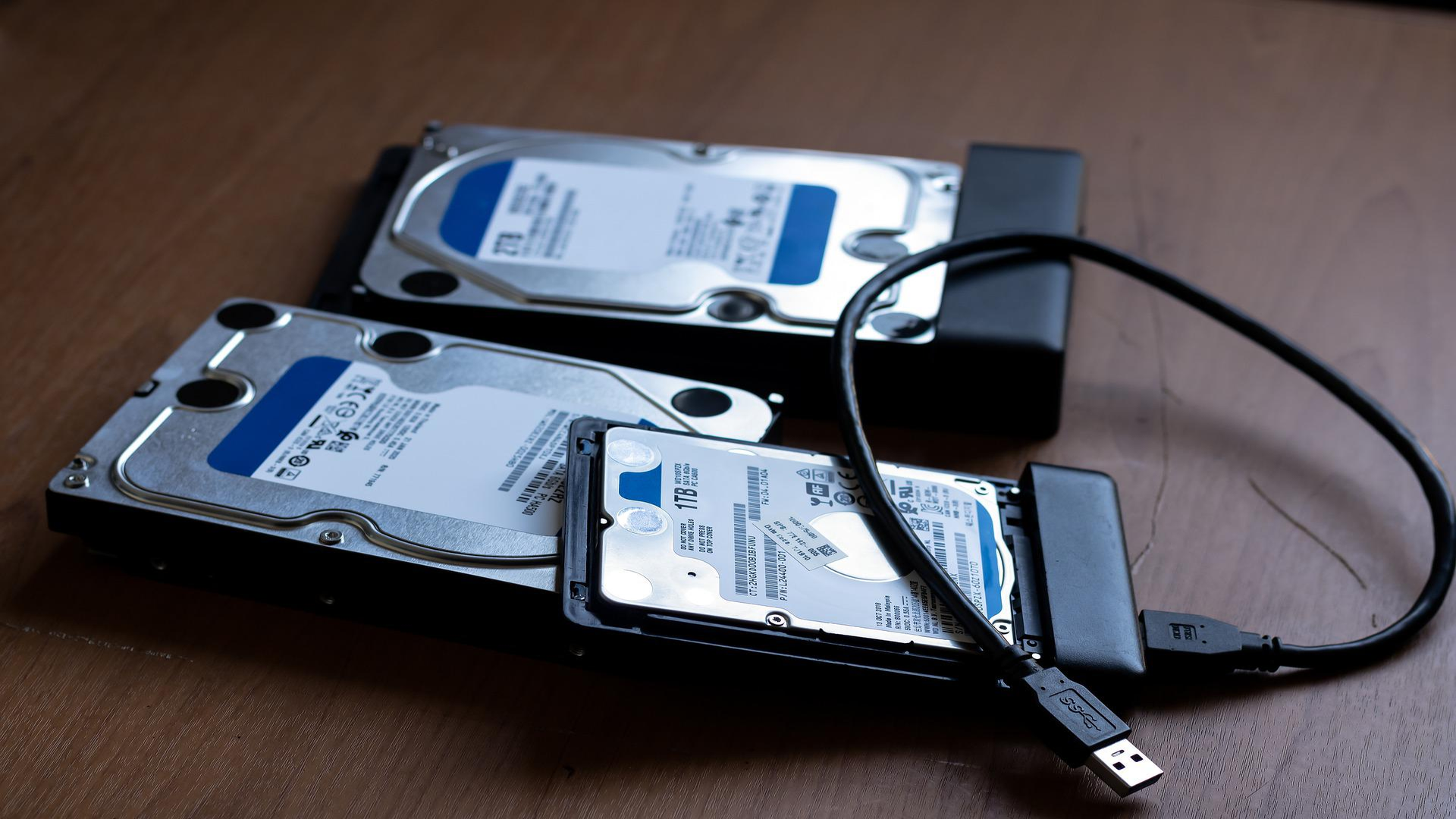
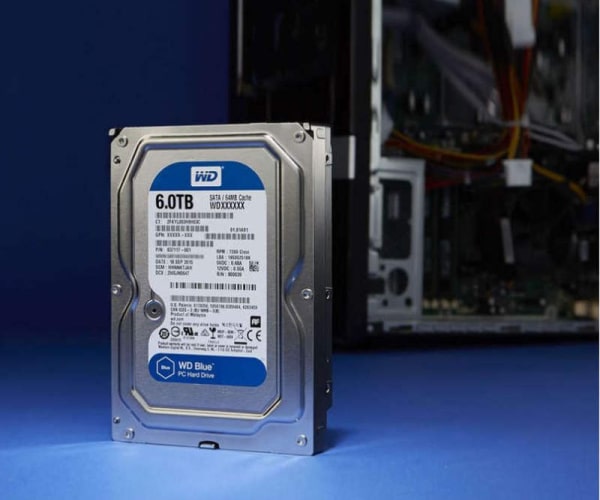
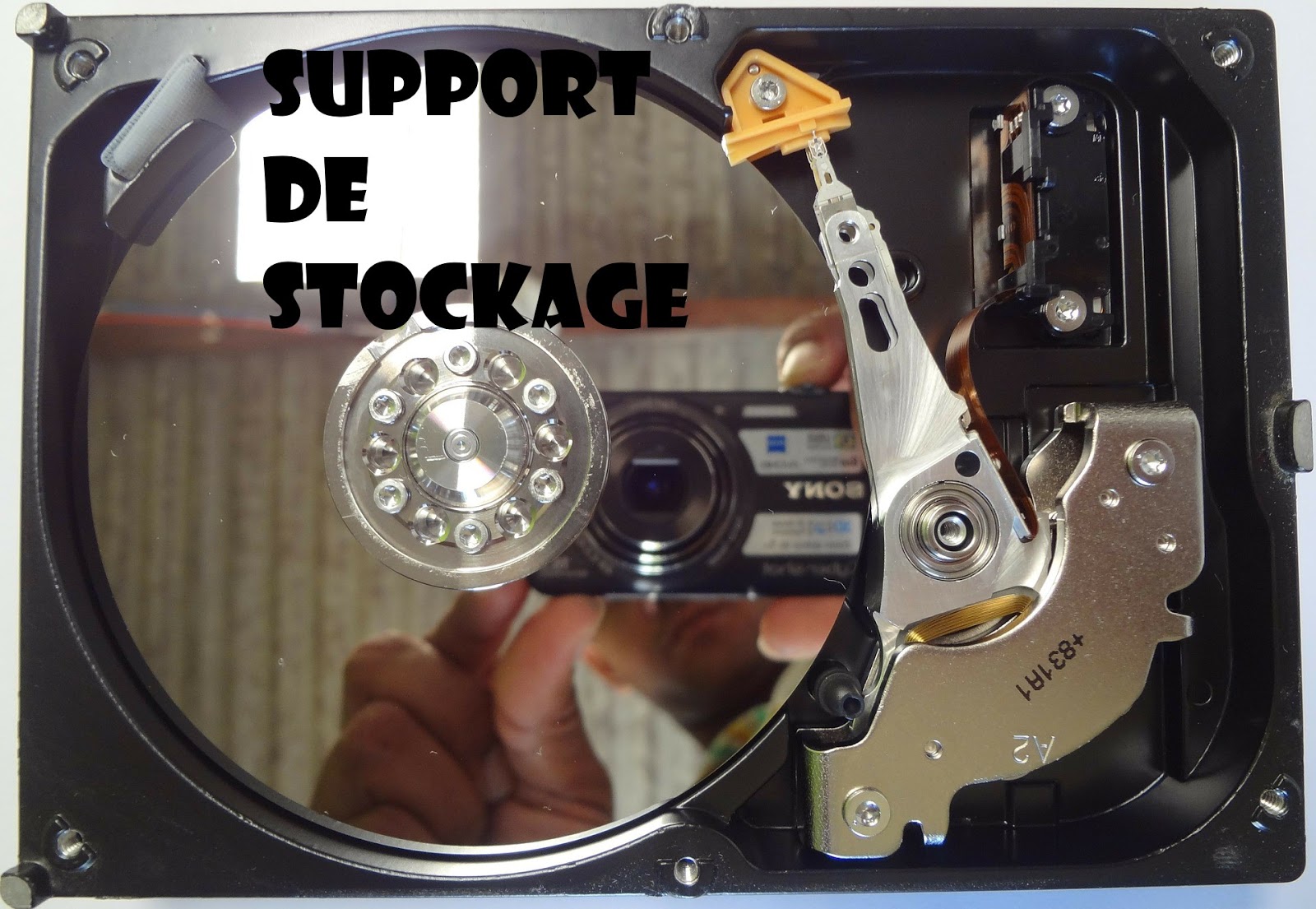
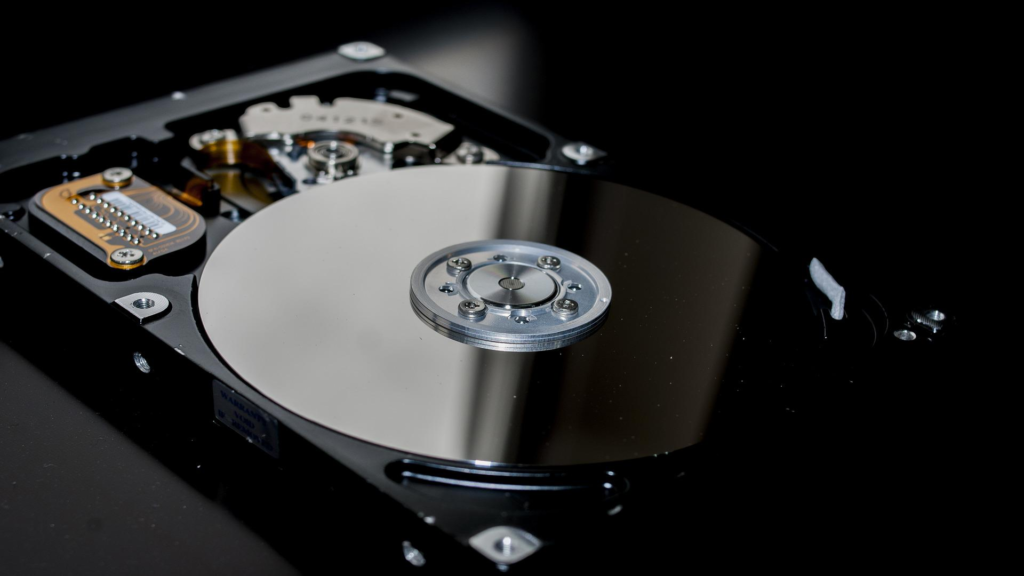
Enter the Hard Disk Drive, or HDD. These guys are the unsung heroes of modern computing. Inside that metal case, you’ll find spinning platters coated with a magnetic material and read/write heads that float just above the surface. As the platters spin, the heads can access and write data to different locations on the disk.
HDDs offered a massive improvement in storage capacity and access speed compared to floppy disks and tape. Think of it like upgrading from a bicycle to a car. Suddenly, you could store your entire operating system, all your applications, and a whole bunch of files on a single device!
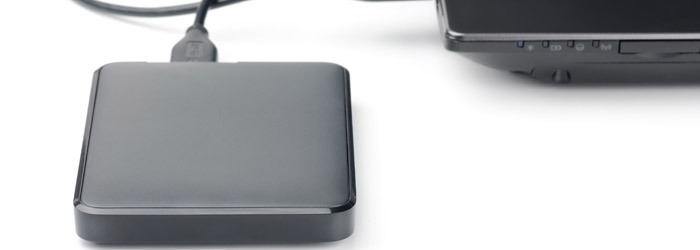
HDDs are still widely used today, especially for storing large amounts of data where speed isn’t the primary concern. They’re the workhorses of servers, desktops, and laptops, reliably storing everything from your family photos to your favorite movies. They’re like the trusty old pickup truck of the data storage world – reliable, dependable, and capable of hauling a lot of stuff.
Hard Drive Highlights:
- High capacity. Can store terabytes of data.
- Relatively fast access. Much faster than floppy disks and tape.
- Affordable per gigabyte. Still a cost-effective option for mass storage.
Solid State Drives (SSDs): The Speed Demons
Now we’re talking about the future! Solid State Drives, or SSDs, are the new kids on the block, and they’re fast. Unlike HDDs, which use spinning platters and moving heads, SSDs use flash memory to store data. Think of it like a super-fast USB drive, but much bigger and more sophisticated.
The lack of moving parts means that SSDs are significantly faster than HDDs. Booting up your computer, launching applications, and transferring files are all noticeably faster with an SSD. It’s like trading in your old pickup truck for a Formula 1 race car!
SSDs are also more durable and energy-efficient than HDDs. They’re less susceptible to damage from shocks and vibrations, and they consume less power, which can extend battery life on laptops. They used to be much more expensive than HDDs, but the prices have come down considerably in recent years, making them an increasingly popular choice for laptops, desktops, and even servers.

SSD Superpowers:
- Blazing fast speeds. Drastically improves system performance.
- More durable. Less susceptible to damage.
- Energy efficient. Extends battery life.
The Cloud: Data in the Ether
And finally, we arrive at the cloud. Instead of storing your data on a physical device in your computer, you store it on servers located in data centers all over the world. Think of it like having a giant, invisible hard drive in the sky.
Cloud storage offers a lot of advantages: accessibility from anywhere with an internet connection, automatic backups, and scalability. You can easily increase your storage capacity as needed. It’s like having a personal storage unit that’s always available and automatically keeps your stuff safe.
Of course, there are also some potential downsides to cloud storage, such as concerns about privacy and security. But for many people, the convenience and flexibility of cloud storage outweigh the risks. It’s a paradigm shift, redefining how we think about data storage itself.
Cloud Characteristics:
- Accessibility. Access your data from anywhere.
- Scalability. Easily increase storage capacity.
- Automatic backups. Peace of mind knowing your data is safe.
So, what’s next?
Who knows what the future holds for data storage? Maybe we’ll see holographic storage, DNA storage, or some other technology that we can’t even imagine yet. One thing is for sure: the demand for data storage will only continue to grow, and innovation will continue to push the boundaries of what’s possible. It’s a constantly evolving field, and it’s fascinating to see how far we’ve come! From punch cards to the cloud, it’s been one wild ride! What do you think the future will bring? Let me know in the comments below!