
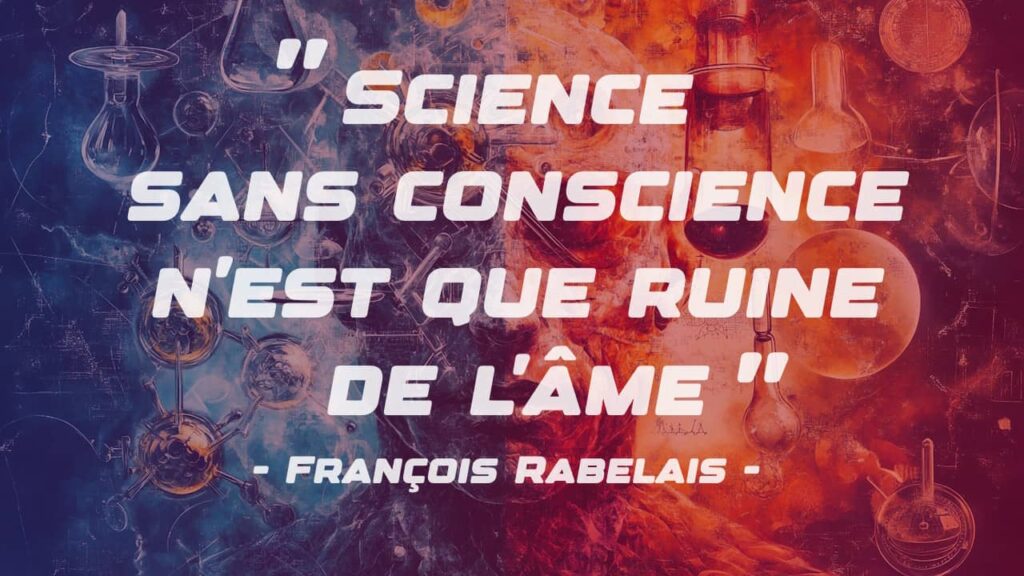
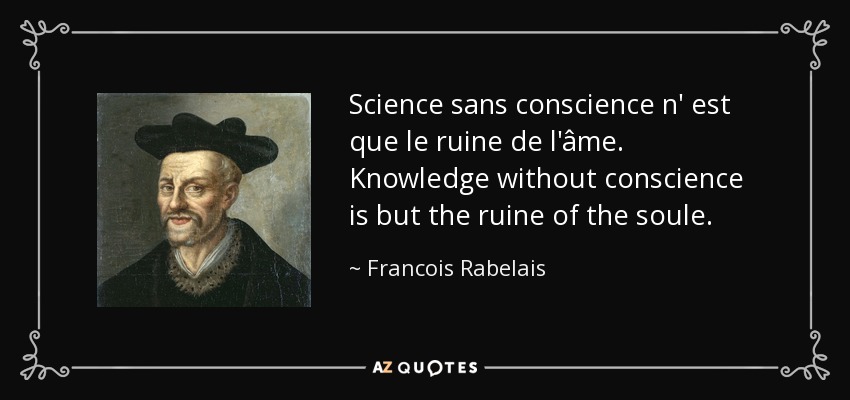
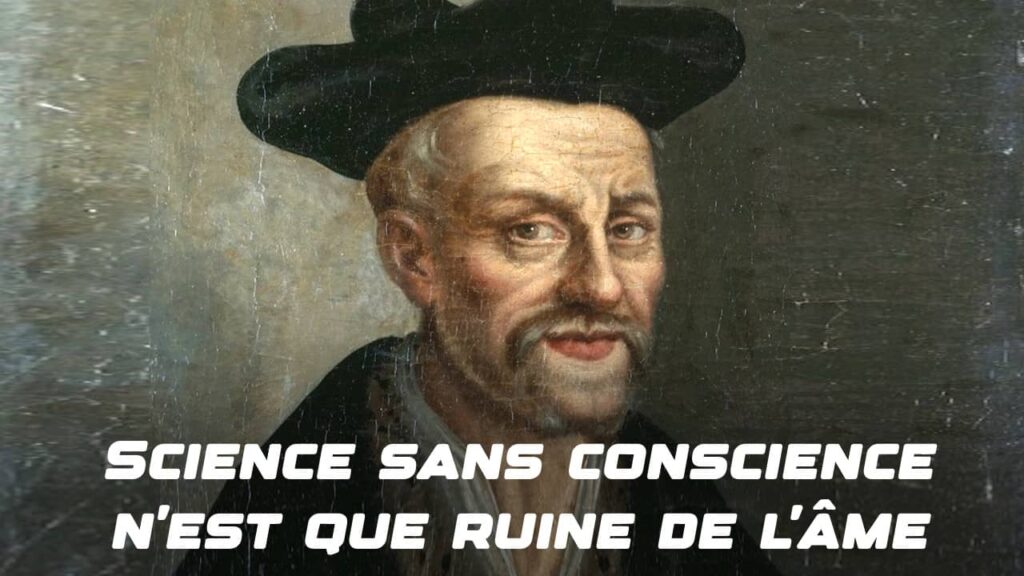
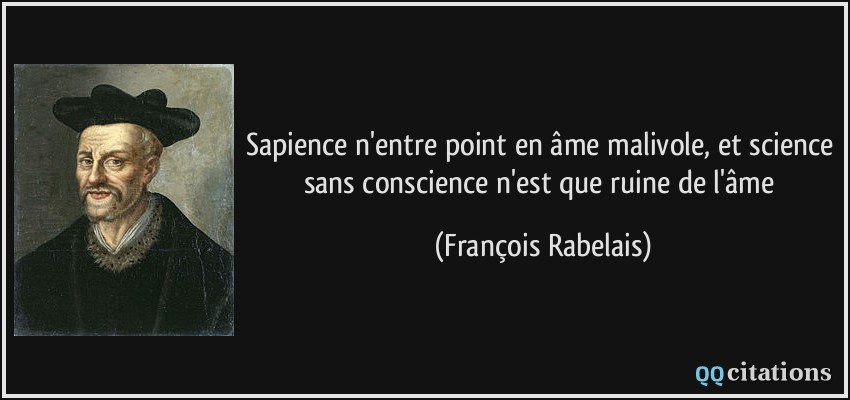
Salut tout le monde! Ever heard the phrase “Sciences sans conscience n’est que ruine de l’âme”? It’s a French saying, and it’s way more interesting than it sounds. Basically, it translates to “Science without conscience is but the ruin of the soul.” Whoa, deep, right? But what does it actually mean, and why should we care? Let’s dive in!
What’s the Big Deal?
Okay, so at its heart, the saying is a warning. It’s like your grandma telling you, “Just because you can doesn’t mean you should.” It’s about the responsibility that comes with knowledge and power, especially the kind of power that science gives us.
Think of it this way: science gives us the keys to the kingdom. We can unlock secrets of the universe, create amazing technologies, and even manipulate life itself. But what if we don’t have a moral compass? What if we use those keys to open Pandora’s Box?
Is it really that important? Absolutely! Here’s why:
- The Power of “Why?”: Science is fantastic at answering “how.” How does gravity work? How do cells divide? But it doesn’t answer “why.” Why should we use this technology? Why is this research important? That’s where conscience comes in.
- The Ethics Equation: Science + ethics = progress. Science – ethics = potential disaster. Simple math, right?
- It’s Not Just About Scientists: This isn’t just a problem for scientists in lab coats. It affects all of us. We all benefit (and sometimes suffer) from scientific advancements. So, we all need to be thinking about the ethical implications.
Science Gone Wild: Some Scary Examples
Let’s get real. What happens when science loses its way? Let’s look at some examples. It’s not about pointing fingers, but about learning from history. It is about thinking critically about these things and how they could affect our future.

The Atomic Bomb: A Tragic Lesson
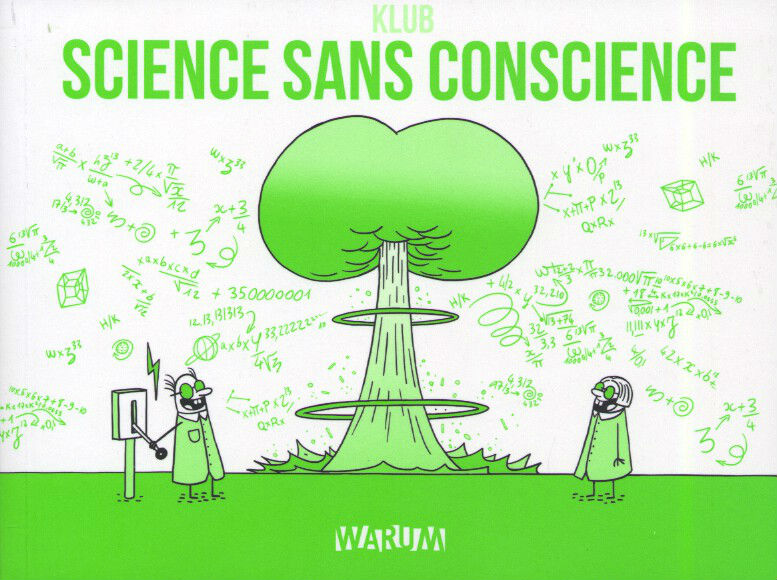
One of the most glaring examples is the development of the atomic bomb. Scientists, driven by the fear of Nazi Germany developing it first, poured their energy into creating a weapon of unimaginable destruction. The science was undeniably brilliant, but the consequences were devastating. Did they have full awareness of the ethical considerations? The debate continues.
Eugenics: A Dark Chapter
Another horrific example is eugenics. This pseudoscientific movement, which gained traction in the late 19th and early 20th centuries, aimed to “improve” the human race through selective breeding and forced sterilization. It was based on flawed science and deeply prejudiced beliefs. The result? Untold suffering and injustice. Were they using science for the right purposes? Certainly not.
Modern Dilemmas: AI and Beyond
Now, let’s fast forward to today. Artificial intelligence is rapidly advancing. We’re developing algorithms that can learn, make decisions, and even create art. But who’s responsible when AI makes a mistake? What happens when AI is used for malicious purposes? These are complex ethical questions that we need to grapple with now.
Think about things like:
- Bias in Algorithms: AI algorithms are trained on data. If that data is biased, the AI will be too. This can lead to unfair or discriminatory outcomes in areas like hiring, loan applications, and even criminal justice.
- Autonomous Weapons: Imagine weapons that can select and engage targets without human intervention. Sounds like something out of a sci-fi movie, right? But it’s a very real possibility, and it raises profound ethical questions about accountability and the value of human life.
- Data Privacy: Our personal data is being collected and analyzed at an unprecedented scale. How is that data being used? Who has access to it? And what safeguards are in place to protect our privacy?
So, What Can We Do?
Okay, so the stakes are high. But what can we, as individuals and as a society, do to ensure that science serves humanity, not the other way around?
Embrace Critical Thinking
First and foremost, we need to be critical thinkers. Don’t just blindly accept everything you hear or read, especially when it comes to science and technology. Ask questions. Demand evidence. Be skeptical of claims that sound too good to be true. Question the motives behind research and development. This is vital. Are they really trying to help?

Promote Ethical Education
We also need to promote ethical education in science and technology fields. Students need to be taught not only the technical skills but also the ethical implications of their work. Ethics should be an integral part of the curriculum, not just an afterthought.
Foster Open Dialogue
Finally, we need to foster open dialogue about the ethical challenges posed by science and technology. This means creating spaces for scientists, policymakers, ethicists, and the public to come together and discuss these issues in a thoughtful and informed way. We all need to be at the table. Everyone!
Think about it: If you build a super-fast car, you also need to learn how to drive safely. You can’t just floor it without knowing the rules of the road and understanding the potential dangers. It’s the same with science. We need to develop the ethical framework to guide our scientific endeavors and ensure that we use our knowledge wisely.

The “Soul” of the Matter
So, what does “ruin of the soul” really mean? It’s not about religious dogma or mystical mumbo jumbo. It’s about losing our humanity. It’s about sacrificing our values in the pursuit of knowledge or power. It’s about becoming so focused on what we can do that we forget to ask why.
Remember that having a conscience means having a moral compass. It means caring about the consequences of our actions and striving to do what’s right, even when it’s difficult. We are responsible for each other! It means recognizing that science is a powerful tool, but it’s just a tool. It’s up to us to use it for good.
“Sciences sans conscience n’est que ruine de l’âme” isn’t just a fancy French saying. It’s a timeless reminder that knowledge without wisdom is dangerous. It’s a call to action to ensure that science serves humanity, not the other way around. And that’s something worth thinking about, n’est-ce pas?




![[56] Citation Science Sans Conscience N Est Que Ruine De L âme](https://i.ytimg.com/vi/f-5U7TlHefQ/maxresdefault.jpg)


![[56] Citation Science Sans Conscience N Est Que Ruine De L âme](https://i.pinimg.com/564x/45/2f/4f/452f4f85402a3cf84d25840bf5df6a59.jpg)
