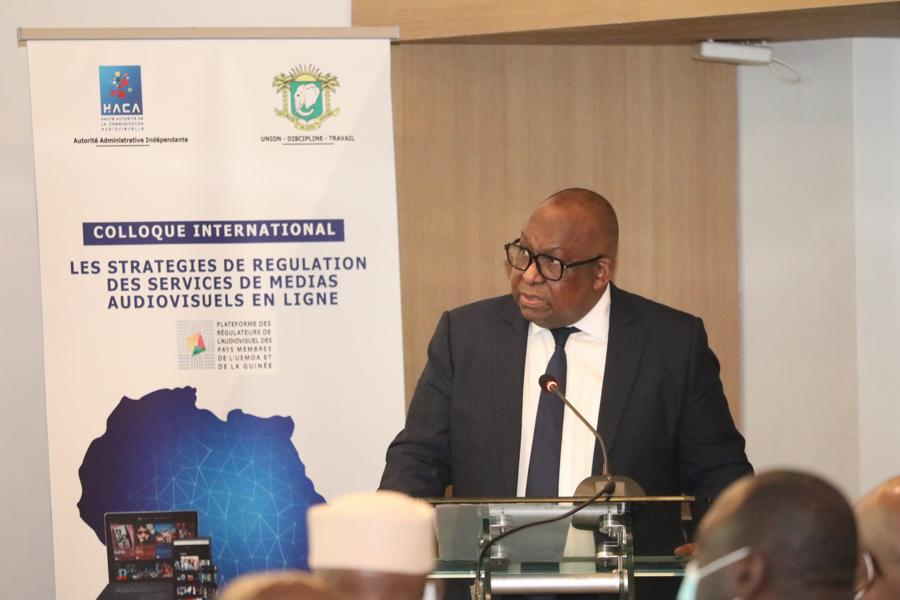
Okay, imagine this: you’re chilling on your couch, scrolling through TikTok (guilty as charged, right?), and suddenly BAM! A video pops up that’s, well, a little… intense. Maybe it’s pushing some pretty questionable political views, or perhaps it’s just plain offensive. You think to yourself, “Whoa, hold on a sec, is this even allowed?” That’s where our friend, the Autorité de Régulation de la Communication Audiovisuelle et Numérique (ARCOM), comes into the picture.
Think of ARCOM as the guardian of the French media galaxy, but way less dramatic than Star Wars. Its job is basically to make sure that everything you see and hear on TV, radio, and the internet (to some extent) is playing by the rules. Intrigued? Let’s dive in!
What Exactly Is ARCOM?
ARCOM, formerly known as CSA (Conseil Supérieur de l’Audiovisuel – remember those acronyms from your French classes?), is France’s independent regulatory body for audiovisual and digital communication. In other words, it’s the watchdog making sure that French media stays within the boundaries of the law and general good taste. (Yes, good taste is actually part of it – we’ll get to that later!). They’re like the cool headteacher who’s got your back, but also isn’t afraid to hand out detention when needed.
So, what does that actually mean? Let’s break it down:
Key Responsibilities: Keeping the Media in Check
ARCOM has a whole bunch of responsibilities. Here are a few of the biggies:

- Licensing and Authorizing Media Outlets: Want to start a TV channel in France? You’ll need ARCOM’s blessing. They make sure you’re not planning to broadcast exclusively cat videos (though, let’s be honest, the internet could use more of those). More seriously, they check for compliance with regulations, financing, and editorial integrity.
- Ensuring Pluralism and Diversity: This is a big one. ARCOM works to make sure that a wide range of voices and viewpoints are represented in the media. This means ensuring that no single company or individual dominates the airwaves or online spaces. (Because nobody wants to live in a world where only one opinion is heard, right?). They strive to achieve balance in political coverage, represent different communities, and promote cultural diversity.
- Protecting Minors and Combating Hate Speech: Remember that slightly offensive TikTok video? ARCOM is on it. They have the power to regulate content that is harmful to children, incites hatred, or promotes discrimination. They can issue warnings, fines, or even suspend broadcasting licenses. Basically, they’re trying to keep the internet from turning into a complete Wild West.
- Fighting Disinformation: In today’s world, this is more crucial than ever. ARCOM is actively working to combat the spread of fake news and misinformation online. They collaborate with platforms like Facebook and Twitter to identify and remove harmful content. (It’s a tough job, but somebody’s gotta do it!)
- Protecting Copyright and Intellectual Property: ARCOM wants to make sure that artists and creators are getting their due. They work to combat piracy and protect intellectual property rights in the audiovisual and digital spheres.
- Monitoring Election Campaigns: This is crucial. During election periods, ARCOM ensures fair and balanced coverage across all media outlets. They’re especially vigilant about ensuring equal airtime for different candidates and parties, and preventing the spread of misinformation that could influence voters. It’s all about maintaining a level playing field.
How Does ARCOM Actually Do All This?
Okay, so they have all these responsibilities… but how do they actually get things done?
- Issuing Regulations and Guidelines: ARCOM sets the rules of the game. They publish regulations and guidelines that media outlets must follow. These rules cover everything from advertising standards to the portrayal of violence.
- Monitoring and Investigating: They keep a close eye on what’s being broadcast and published. If they suspect a violation, they launch an investigation. This can involve reviewing content, interviewing witnesses, and gathering evidence.
- Sanctions and Enforcement: If a media outlet is found to be in violation of the rules, ARCOM can impose sanctions. These can range from warnings and fines to the suspension or revocation of broadcasting licenses. They don’t mess around!
- Working with International Partners: ARCOM also collaborates with regulatory bodies in other countries to address cross-border issues like online piracy and the spread of disinformation. It’s a global problem, and it requires a global solution.
Why Should You Care About ARCOM?
You might be thinking, “Okay, cool, another government agency. Why should I care?” Well, here’s the thing: ARCOM directly impacts the media you consume every day. They influence what you see on TV, hear on the radio, and encounter online. They are, in a sense, shaping your information environment.
Here’s why it matters to you:

- Fairness and Accuracy: ARCOM helps ensure that you’re getting a balanced and accurate picture of the world. They work to prevent the spread of misinformation and promote responsible journalism.
- Protecting Children: They play a key role in protecting children from harmful content online and on TV. Think about it – it is not just about cartoons, it also about advertising aimed at kids!
- Freedom of Expression (with Limits!): While ARCOM regulates content, they also believe in freedom of expression. They try to strike a balance between protecting fundamental rights and preventing abuse. It’s a tricky balancing act, for sure.
- Holding Tech Giants Accountable: As tech companies grow larger, ARCOM plays an important role in holding them accountable for the content they host. They’re pushing for greater transparency and responsibility from platforms like Facebook, Google, and Twitter.
But… Is ARCOM Perfect?
Of course not! No regulatory body is without its critics. Some argue that ARCOM is too heavy-handed and that its regulations stifle creativity and freedom of expression. Others argue that they don’t go far enough in protecting vulnerable groups from harmful content. And there’s always the debate about how to balance freedom of expression with the need to combat hate speech and disinformation. It’s a complex and ongoing conversation. (And honestly, what is the perfect balance anyway?).
One common criticism is that ARCOM’s definition of “good taste” can be subjective and open to interpretation. What one person considers offensive, another might find perfectly harmless. It’s a tough call to make, and it’s something that ARCOM constantly has to grapple with.
Plus, the internet moves at lightning speed, and it can be difficult for any regulatory body to keep up with the latest trends and challenges. New platforms and technologies are constantly emerging, and ARCOM needs to be agile and adaptable to stay relevant.
In Conclusion: Stay Informed, Stay Engaged!
ARCOM is a powerful force in the French media landscape. Understanding its role and responsibilities is crucial for anyone who wants to be an informed and engaged citizen. So, the next time you’re scrolling through your phone and see something that makes you go “Hmm…”, remember that ARCOM is out there, keeping an eye on things. Whether you agree with all of their decisions or not, their work plays a vital role in shaping the media environment we all share.
And hey, if you ever feel like something is genuinely over the line, you can even file a complaint with ARCOM yourself! They’re listening (well, at least they’re supposed to be!). (Just Google “saisir ARCOM” and you’ll find the procedure.) Think of it as your civic duty in the digital age!
-329.jpg)