
Alright, les amis! Ready to ditch that carrier pigeon and embrace the 21st century… again? Because let’s be honest, sometimes the internet feels like it’s still stuck in dial-up. But fear not! We’re diving headfirst into the wonderful, occasionally infuriating, world of desktop email clients. Prepare yourselves for an adventure filled with more folders than your grandma’s overflowing closet and more options than a Netflix algorithm gone wild.
Why Bother with a Desktop Email Client? (Good Question!)
I know, I know. You’re thinking, “But I have Gmail/Hotmail/Whatevermail in my browser! Why install something else?” Excellent question! And one that deserves a slightly sarcastic but ultimately insightful answer.
Think of it this way: using webmail is like living in a shared apartment building. Sure, it’s convenient, everything’s included, but you’re sharing the space with a bunch of other people. Desktop email clients? That’s like having your own little cottage. Cozy, customizable, and you can leave your socks on the floor without judgment (unless your significant other is reading this, in which case, please don’t leave your socks on the floor).
Here’s a few compelling reasons, in handy bullet-point form, because who doesn’t love a good bullet point?
- Offline Access: Ever tried checking your email on a plane? Yeah, good luck with that. With a desktop client, you can read and compose messages even without an internet connection. Think of it as preparing for the email apocalypse.
- Multiple Accounts: Got a personal email, a work email, and that weird email you use for signing up for cat memes? Manage them all in one place! No more juggling browser tabs like a caffeinated circus performer.
- Organization Nirvana: Desktop clients offer superior filtering and organization options compared to webmail. Folders, tags, rules… you’ll be an email sorting ninja in no time! (Just don’t try to throw ninja stars at your inbox. That’s generally frowned upon).
- Enhanced Security: While no system is foolproof (hackers are annoyingly clever), desktop clients can offer more control over your security settings and encryption. Think of it as adding an extra deadbolt to your digital front door.
- Customization Crazy: Want your email client to look like a unicorn vomited rainbows all over your screen? (Okay, maybe not that extreme). But you can customize the interface to your heart’s content. Fonts, colors, layouts… the possibilities are endless!
The Contenders: A Look at Some Popular Desktop Email Clients
Alright, let’s meet the players! These are some of the most popular and well-regarded desktop email clients out there. I’ll give you the lowdown, the upsides, the downsides, and maybe a slightly inappropriate joke or two along the way.
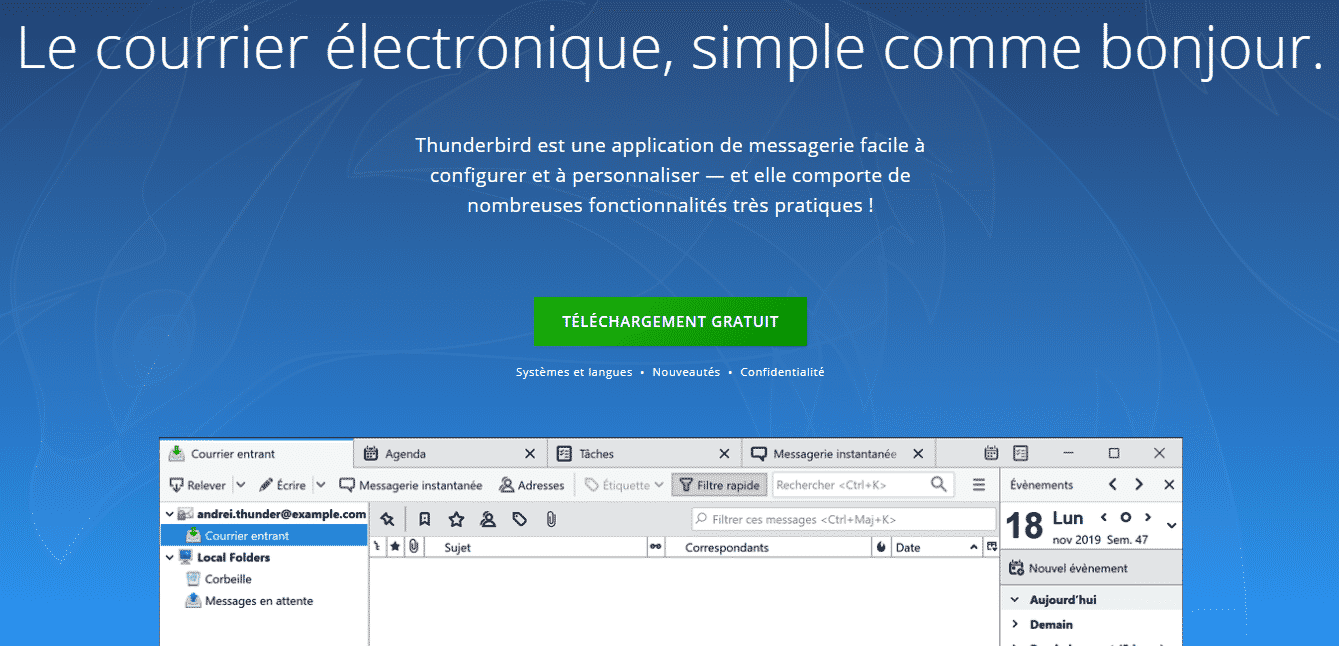
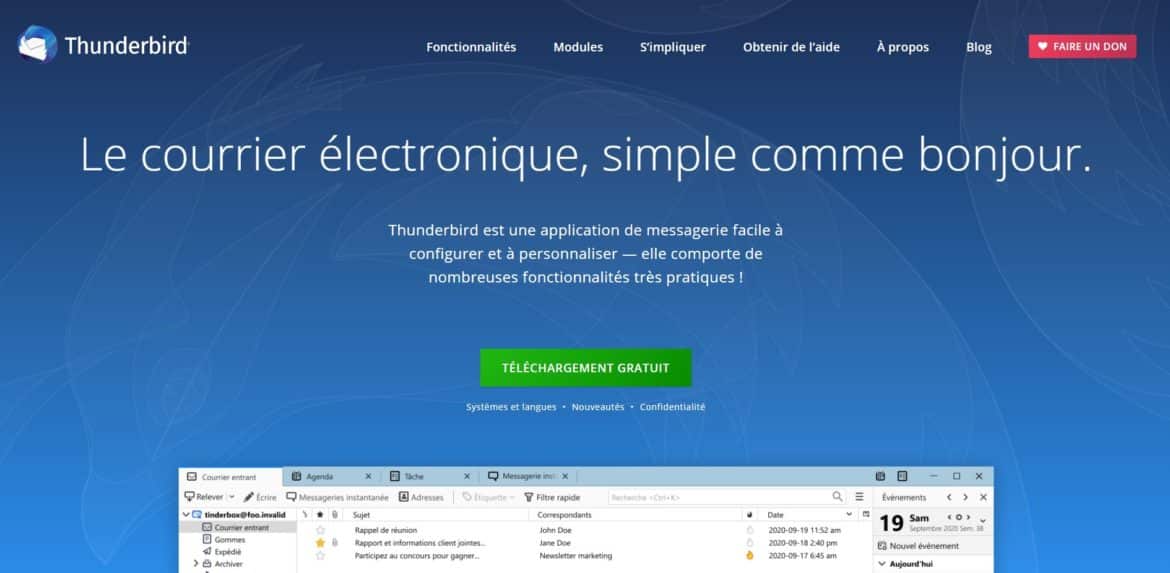
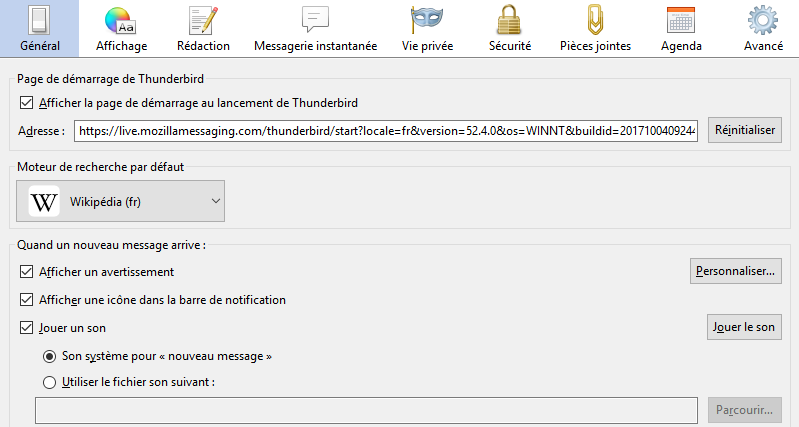
Mozilla Thunderbird: The Free and Open-Source Champion
Ah, Thunderbird. The reliable, slightly geeky friend who’s always there for you. It’s free, open-source, and packed with features. Think of it as the Swiss Army knife of email clients. It might not be the prettiest tool in the box, but it gets the job done. And it gets it done well.
- Pros: Free! Open-source! Highly customizable! Supports a wide range of extensions! Cross-platform (Windows, macOS, Linux)! Excellent spam filtering! Seriously, the spam filtering is amazing.
- Cons: The interface can feel a bit dated. Setting up some advanced features can be a bit technical. Doesn’t have built-in calendar or task management (but you can add extensions for that!). It might accidentally set your computer on fire! (Okay, I’m kidding… mostly).
Who is it for? Tech-savvy users who appreciate customization and don’t mind a bit of tinkering. People who are allergic to spending money. Anyone who wants a reliable and secure email client.
Microsoft Outlook: The Corporate King
Outlook. The email client that’s practically synonymous with the corporate world. If you’ve ever worked in an office, chances are you’ve used Outlook. It’s powerful, feature-rich, and often comes bundled with Microsoft Office. Think of it as the email client that wears a suit and tie to work. (Even on casual Friday).

- Pros: Integrates seamlessly with other Microsoft Office applications. Robust calendar and task management features. Excellent support for Exchange servers. Widely used and supported by IT departments. It might even make you look important! (Results may vary).
- Cons: Can be expensive (especially if you don’t already own Microsoft Office). The interface can feel a bit cluttered. Sometimes feels like it’s trying to do too much. Prone to occasional crashes and glitches. It might spontaneously suggest pointless meetings! (Beware!).
Who is it for? Business users who rely on Microsoft Office and Exchange servers. People who need robust calendar and task management features. Anyone who wants to impress their boss (or at least appear to be organized).
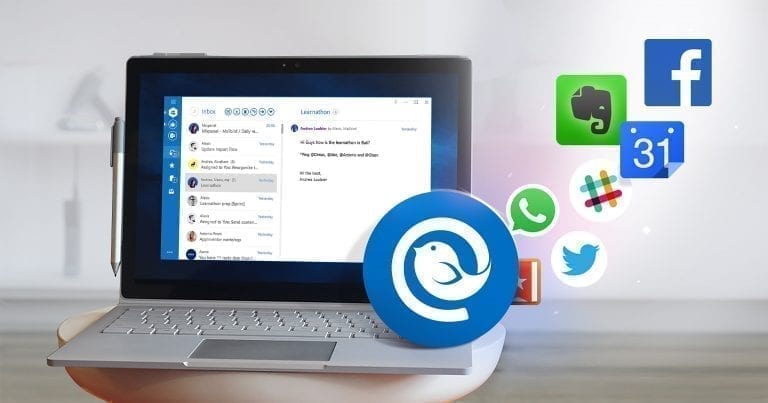
Mailbird: The Stylish Newcomer
Mailbird. The sleek and modern email client that’s trying to disrupt the status quo. It’s designed to be fast, intuitive, and visually appealing. Think of it as the email client that wears skinny jeans and drinks artisanal coffee. (Probably while checking its inbox).
- Pros: Beautiful and customizable interface. Integrates with a wide range of third-party apps (like WhatsApp, Twitter, and Facebook). Fast and responsive performance. Supports multiple accounts. It might even make you feel cooler just by using it! (Again, results may vary).
- Cons: Not free (although it offers a free trial). Some features are only available in the paid version. Can be a bit resource-intensive. It might distract you with all its shiny features! (Resist the urge to play with the settings all day!).
Who is it for? Users who value aesthetics and ease of use. People who want to integrate their email with other apps. Anyone who wants to feel like they’re using the latest and greatest technology.
eM Client: The Feature-Packed Powerhouse
eM Client. The email client that’s trying to do everything but make you breakfast in bed. It’s packed with features, including email, calendar, contacts, tasks, and even chat. Think of it as the email client that’s trying to be your personal assistant. (Just don’t ask it to do your taxes).
- Pros: Comprehensive feature set. Supports a wide range of email providers. Customizable interface. Built-in calendar, contacts, and task management. It might even help you become more productive! (Or at least feel like you are).
- Cons: Not free (although it offers a free version with limitations). The interface can feel a bit overwhelming at first. Some features are only available in the paid version. It might try to take over your life! (Just kidding… mostly).
Who is it for? Users who want a comprehensive email client with built-in calendar, contacts, and task management. People who need to manage a lot of information. Anyone who wants to feel like they’re in control of their digital life. (Even if they’re not).

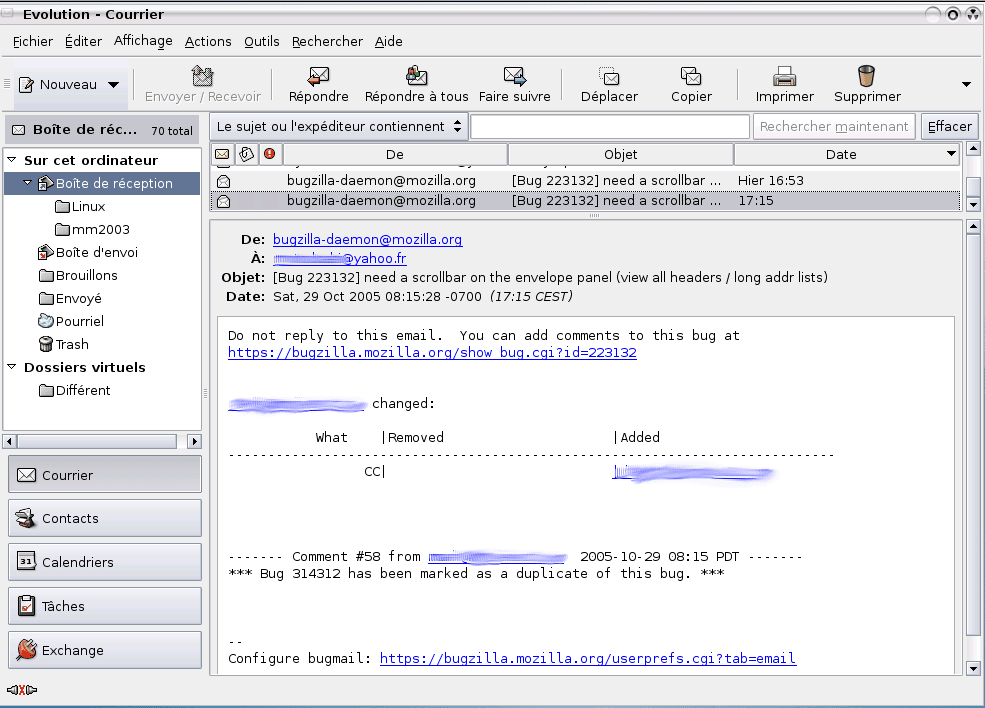
Evolution: The Linux Legend
Evolution. The open-source email client that’s been a staple of the Linux community for years. It’s powerful, feature-rich, and highly customizable. Think of it as the email client that wears a beard and listens to obscure indie music. (Probably while coding in C++).
- Pros: Free! Open-source! Highly customizable! Integrates seamlessly with other GNOME desktop environment applications. Robust calendar, contacts, and task management features. It might even make you feel like a Linux guru! (If you’re not already).
- Cons: Only available for Linux. The interface can feel a bit dated. Setting up some advanced features can be a bit technical. It might spontaneously start compiling its own kernel! (Okay, I’m kidding… mostly).
Who is it for? Linux users who want a powerful and customizable email client. People who appreciate open-source software. Anyone who wants to feel like they’re part of the Linux community.
Key Features to Consider When Choosing an Email Client
Okay, so you’ve met the contenders. Now, let’s talk about what to look for in an email client. Because choosing the right one is like choosing the right pair of shoes. You want something that fits comfortably, looks good, and doesn’t give you blisters. (Metaphorically speaking, of course).
- Ease of Use: Is the interface intuitive and easy to navigate? Can you find what you’re looking for without having to consult a manual the size of War and Peace?
- Account Compatibility: Does the client support your email provider (Gmail, Hotmail, Yahoo, etc.)? Can it handle multiple accounts?
- Features: Does it offer the features you need (calendar, contacts, task management, spam filtering, etc.)? Does it integrate with other apps you use?
- Customization: Can you customize the interface to your liking? Can you change the fonts, colors, and layout?
- Security: Does it offer robust security features to protect your email from hackers and spammers? Does it support encryption?
- Performance: Is it fast and responsive? Does it hog your computer’s resources?
- Price: Is it free? Does it offer a free trial? Is the paid version worth the cost?
- Support: Is there good documentation and support available if you run into problems? Can you find answers to your questions online?
Setting Up Your Desktop Email Client: A (Hopefully) Painless Process
Alright, you’ve chosen your email client. Now comes the fun part: setting it up! (Okay, maybe not “fun” exactly, but it’s definitely a necessary step).
The exact process will vary depending on the client you’ve chosen, but here are some general tips to get you started:

- Download and Install: Download the email client from the official website and install it on your computer. (Duh!).
- Add Your Account(s): Open the email client and add your email account(s). You’ll usually need to enter your email address, password, and server settings. (If you’re not sure what your server settings are, contact your email provider).
- Configure Your Settings: Customize the settings to your liking. Choose your font, colors, layout, and other preferences.
- Import Your Contacts: Import your contacts from your old email client or address book.
- Test It Out: Send yourself a test email to make sure everything is working correctly.
- Start Organizing: Create folders, set up filters, and start organizing your inbox. (Get ready to become an email sorting ninja!).
Pro Tip: Don’t be afraid to experiment with the settings! You can always change them later. And if you get completely lost, there are plenty of tutorials and support resources available online.
Tips and Tricks for Mastering Your Desktop Email Client
Now that you’re all set up, let’s talk about some tips and tricks for getting the most out of your desktop email client. Because using email effectively is an art form. (Okay, maybe not an art form exactly, but it’s definitely a valuable skill).
- Use Folders and Filters: Create folders for different categories of email (work, personal, projects, etc.) and set up filters to automatically sort incoming messages into the appropriate folders. This will help you keep your inbox organized and prevent important messages from getting lost.
- Use Tags: Use tags to label messages with keywords or categories. This can be helpful for finding specific messages later.
- Use Rules: Use rules to automatically perform actions on incoming messages, such as deleting spam, forwarding messages to other accounts, or flagging important messages.
- Use a Signature: Create a professional email signature that includes your name, title, company, and contact information.
- Use Keyboard Shortcuts: Learn the keyboard shortcuts for common tasks, such as composing a new message, replying to a message, and deleting a message. This will help you work more efficiently.
- Unsubscribe from Unwanted Emails: If you’re receiving emails that you don’t want, unsubscribe from them. This will help reduce the amount of spam in your inbox.
- Be Careful of Phishing Scams: Be wary of emails that ask you to provide personal information, such as your password or credit card number. These are often phishing scams designed to steal your identity.
- Back Up Your Email: Regularly back up your email to protect your data in case of a computer crash or other disaster.
- Don’t Be Afraid to Ask for Help: If you’re having trouble with your email client, don’t be afraid to ask for help from a friend, colleague, or the email client’s support team.
Security Considerations: Keeping Your Email Safe and Sound
In today’s digital world, security is paramount. And that includes your email. Because hackers are constantly trying to break into your accounts and steal your information. So, it’s important to take steps to protect your email from threats.
- Use a Strong Password: Use a strong password that is at least 12 characters long and includes a combination of uppercase and lowercase letters, numbers, and symbols. Don’t use the same password for multiple accounts.
- Enable Two-Factor Authentication: Enable two-factor authentication (2FA) for your email account. This will add an extra layer of security by requiring you to enter a code from your phone in addition to your password when you log in.
- Be Careful of Phishing Scams: Be wary of emails that ask you to provide personal information, such as your password or credit card number. These are often phishing scams designed to steal your identity.
- Keep Your Software Up to Date: Keep your email client and operating system up to date with the latest security patches. This will help protect your computer from known vulnerabilities.
- Use a Firewall: Use a firewall to protect your computer from unauthorized access.
- Use Antivirus Software: Use antivirus software to protect your computer from malware.
- Be Careful What You Click On: Be careful what you click on in emails. Don’t click on links or open attachments from unknown senders.
- Encrypt Your Email: Encrypt your email to protect your data from being intercepted by hackers.
- Use a VPN: Use a VPN (Virtual Private Network) to encrypt your internet traffic and protect your privacy when using public Wi-Fi.
The Future of Desktop Email Clients: What’s Next?
So, what does the future hold for desktop email clients? Will they become obsolete in the age of webmail and mobile apps? Or will they continue to evolve and adapt to meet the changing needs of users?
I believe that desktop email clients will continue to be relevant for the foreseeable future. While webmail and mobile apps are convenient, they often lack the features and customization options that desktop clients offer. And for users who need to manage multiple accounts, organize their email effectively, and protect their data, desktop clients remain the best option.

In the future, we can expect to see desktop email clients become even more integrated with other apps and services. They may also incorporate artificial intelligence (AI) to help users manage their email more efficiently. For example, AI could be used to automatically sort emails, prioritize messages, and suggest replies.
We may also see the rise of new types of email clients that are designed for specific purposes, such as collaboration, project management, or customer service.
Conclusion: Choose Wisely, Email Sparingly, and Laugh Often!
Well, there you have it! A whirlwind tour of the wonderful, wacky, and occasionally bewildering world of desktop email clients. Hopefully, you’re now armed with the knowledge you need to choose the right email client for your needs. And remember, no matter which client you choose, the most important thing is to use it effectively and responsibly. Don’t let your inbox become a black hole of unread messages. Take control of your email, stay organized, and don’t be afraid to hit that “delete” button!
And finally, a word of advice: don’t take your email too seriously. It’s just email, after all. It’s not worth getting stressed out about. So, take a deep breath, laugh at the occasional spam message, and remember that there’s more to life than your inbox.
Now go forth and conquer your email! And if you accidentally send that embarrassing photo to your boss, well… good luck with that!







![[TUTO]Utiliser un logiciel de messagerie - YouTube](https://i.ytimg.com/vi/5yP3zqNiXkc/maxresdefault.jpg)
