Okay, imagine this. You’re at a party. Loud music, flashing lights, people you kinda know talking about… crypto? (Is that still a thing?) Suddenly, you feel… weird. Like you’re watching yourself from afar. Everything’s a bit fuzzy. You try to join the conversation, but the words just… won’t come out right. Sounds familiar? Maybe you just needed a nap. Or maybe, just maybe, it was a tiny glimpse into the world of trouble de la conscience.
Before you freak out and schedule a brain scan, let’s be clear: I’m not diagnosing anyone here! But that disoriented feeling, that disconnect from reality, that’s a thread that runs through all kinds of altérations de la conscience. And it’s more common, and more complex, than you might think.
Qu’est-ce que c’est, au juste, un “trouble de la conscience”?
Basically, it’s any situation where your awareness – of yourself, your surroundings, or both – is impaired. Think of your consciousness as a volume knob. Normally, it’s turned up high enough that you’re fully alert and engaged. In troubles de la conscience, that knob gets turned down, or even off. It’s not just about being sleepy (though that can certainly play a role!).
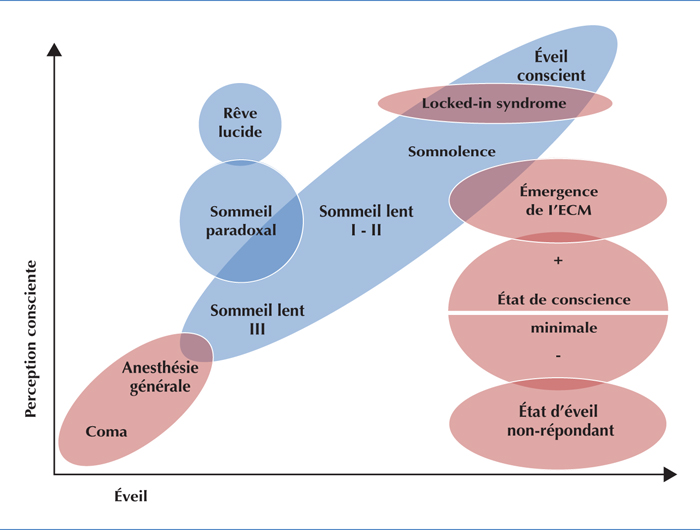
We’re talking about a spectrum of conditions, ranging from mild confusion to complete coma. And guess what? It can stem from a whole laundry list of potential causes. We’ll get to those in a bit.
The Spectrum of Awareness (or Lack Thereof)
To get a better grasp, let’s break down some of the key levels of impaired consciousness:
- Confusion: This is the “I’m-at-a-party-and-everything’s-fuzzy” stage. Difficulty thinking clearly, remembering things, and following instructions. Basically, your brain is running on dial-up internet.
- Obnubilation: A step up from confusion. Marked by drowsiness, slowed thinking, and difficulty paying attention. You’re not just fuzzy, you’re foggy. Ever tried to work after taking cold medicine? Yeah, that.
- Somnolence: Significant drowsiness, but you can still be roused with stimulation (a loud noise, a gentle shake). Think of it as being in a deep, but not too deep, sleep.
- Stupeur: You’re only responsive to vigorous stimulation, like painful stimuli. It takes a lot to get a reaction. This is getting serious.
- Coma: The lowest level of consciousness. No response to any stimuli, even painful ones. The volume knob is completely off. This is a medical emergency.
See? It’s not just a binary “conscious” or “unconscious” thing. There are shades of gray (or, perhaps more accurately, shades of fog).
Pourquoi est-ce que ça arrive? (The Usual Suspects)
Okay, so what kicks off this whole cascade of impaired awareness? Buckle up, because the list is… comprehensive. Basically, anything that messes with your brain’s normal function can potentially lead to a trouble de la conscience.
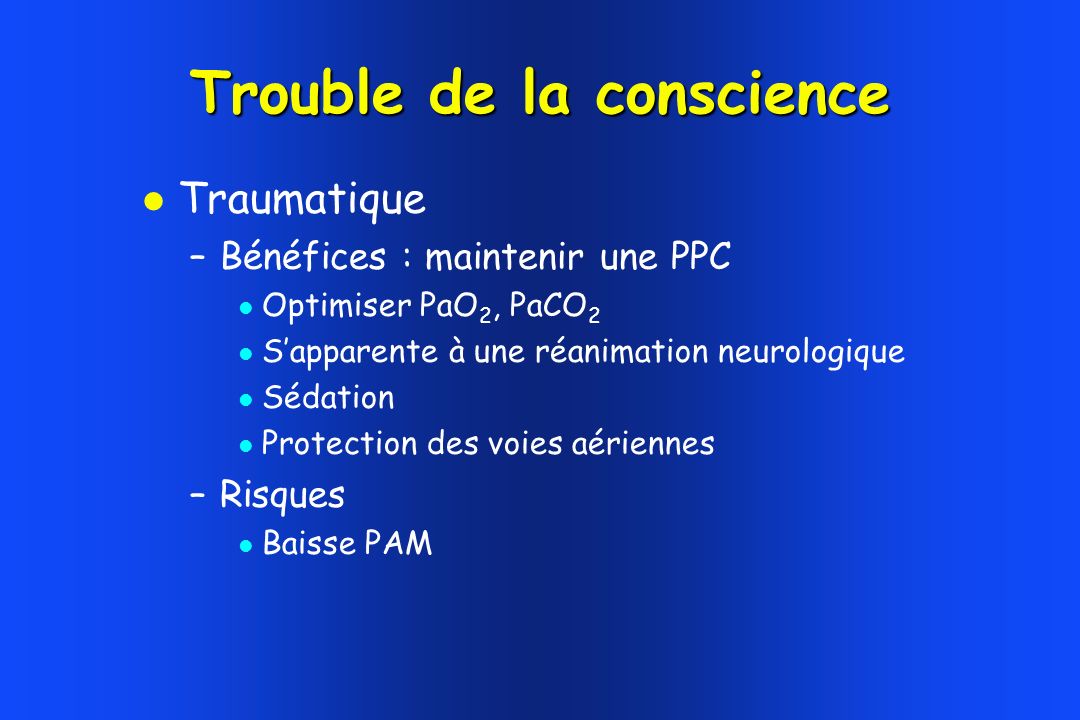
- Traumatic Brain Injury (TBI): Concussions, contusions, skull fractures… anything that damages the brain directly. Think car accidents, falls, sports injuries. Protect your noggin, people!
- Stroke: When blood supply to the brain is interrupted, leading to cell death. Time is brain, as they say.
- Infections: Meningitis, encephalitis, sepsis… these can inflame the brain and disrupt its function. Not fun.
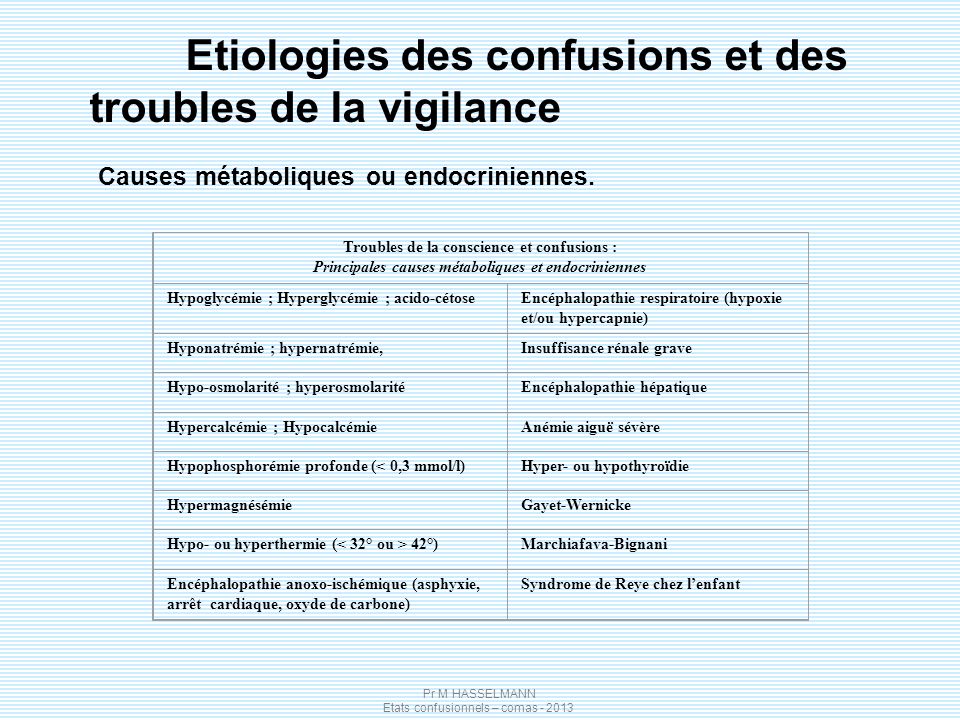
- Metabolic Disorders: Problems with blood sugar, electrolytes, or organ function (liver, kidneys) can throw your brain for a loop.
- Seizures: Abnormal electrical activity in the brain can cause temporary (or, in some cases, prolonged) loss of consciousness.
- Intoxications: Alcohol, drugs (prescription or otherwise), poisons… can all mess with brain chemistry. Use your head (literally and figuratively).
- Brain Tumors: These can put pressure on brain tissue and disrupt normal function.
- Hypoxia: Lack of oxygen to the brain (e.g., from drowning, choking, or carbon monoxide poisoning). The brain really likes oxygen.
And this isn’t even an exhaustive list! The point is, troubles de la conscience are symptoms of an underlying problem, not a disease in themselves. Figuring out the root cause is crucial for treatment.
Comment on le diagnostique? (The Sherlock Holmes Part)
So, how do doctors play detective and figure out what’s going on when someone is experiencing altered consciousness? It’s a multi-pronged approach:
- Physical Exam: Checking vital signs (heart rate, blood pressure, breathing), reflexes, and response to stimuli.
- Neurological Exam: Assessing brain function by testing things like strength, sensation, coordination, and cognitive abilities.
- Medical History: Gathering information about the patient’s past medical conditions, medications, and any recent events that might be relevant. Honesty is key here!
- Imaging Studies: CT scans or MRIs of the brain to look for structural abnormalities (like tumors, bleeds, or swelling). Think of it as taking a peek under the hood.
- Blood Tests: To check for infections, metabolic imbalances, and drug levels.
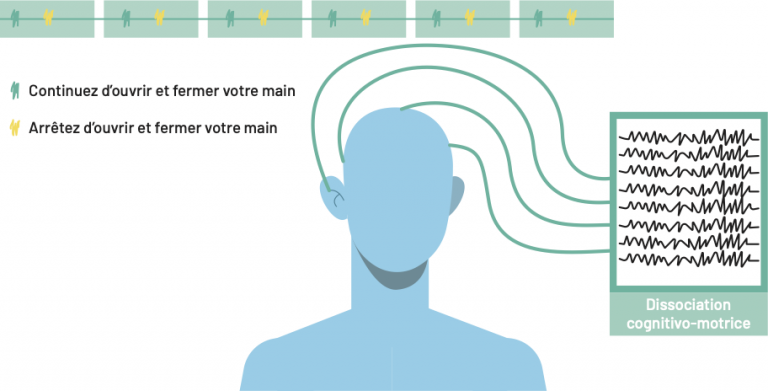
- EEG (Electroencephalogram): Measures electrical activity in the brain, which can help identify seizures or other brain abnormalities.
The goal is to piece together the puzzle and identify the cause of the altered consciousness. Once they know what they’re dealing with, they can start treatment.

Et le traitement, alors? (The Fixing-Stuff Part)
Treatment for troubles de la conscience is all about addressing the underlying cause. There’s no one-size-fits-all approach. It really depends on what’s going on.
- For TBI: Surgery to relieve pressure on the brain, medications to reduce swelling, and rehabilitation to help regain lost function.
- For Stroke: Medications to dissolve blood clots or surgery to remove them. Time is of the essence here.
- For Infections: Antibiotics or antiviral medications to fight the infection.
- For Metabolic Disorders: Correcting the underlying imbalance (e.g., giving insulin for high blood sugar, electrolyte replacement).
- For Seizures: Anticonvulsant medications to control seizures.
- For Intoxications: Supportive care (e.g., breathing assistance, IV fluids) and, in some cases, antidotes to counteract the poison.
- For Brain Tumors: Surgery, radiation therapy, or chemotherapy to remove or shrink the tumor.
- For Hypoxia: Providing supplemental oxygen and addressing the underlying cause of the oxygen deprivation.
In addition to treating the underlying cause, supportive care is essential. This includes ensuring the patient has adequate nutrition, hydration, and respiratory support. It’s about keeping the body going while the brain recovers (if recovery is possible).

Prévention: (Keeping Your Brain Happy)
Okay, so you can’t prevent everything on that list (I can’t exactly tell you to avoid all car accidents!). However, there are things you can do to reduce your risk of certain causes of troubles de la conscience:
- Wear a helmet: When biking, skateboarding, skiing, or doing anything that involves a risk of head injury. Seriously, it’s not uncool, it’s smart.
- Manage your health conditions: Keep your blood pressure, blood sugar, and cholesterol under control.
- Don’t abuse alcohol or drugs: These can damage your brain and increase your risk of seizures and other complications.
- Get vaccinated: Against infections like meningitis and encephalitis.
- Eat a healthy diet and exercise regularly: This can help improve overall brain health.
- Learn basic first aid: Including CPR. You never know when you might need it.
Ultimately, understanding troubles de la conscience is about recognizing the fragility and complexity of our brains. It’s a reminder to take care of ourselves, protect our heads, and seek medical attention if we notice anything… off.
And hey, maybe next time you’re at a loud party and feeling a bit fuzzy, just remember to hydrate and take a break. But if things feel seriously weird, don’t hesitate to get checked out. It’s better to be safe than sorry (and, you know, comatose).