Hey everyone! Ever wondered about those odd little corners of employment law that seem to pop up out of nowhere? Well, buckle up, because today we’re diving headfirst into something called “temps d’habillage et de déshabillage” – basically, dressing and undressing time. Sounds boring? Trust me, it’s way more interesting than it sounds! Think of it as the employment law equivalent of a surprise plot twist in your favorite Netflix series.
So, what exactly is all the fuss about? Well, it all boils down to this: should employers pay their employees for the time they spend getting ready for and unwinding from work? You know, putting on uniforms, protective gear, or even just changing into clothes suitable for the job. Seems straightforward, right? WRONG!
Why Should I Care About Dressing and Undressing?
Good question! Why should you care? Well, for starters, it affects a surprising number of people. Think about it: nurses in scrubs, construction workers in hard hats and safety vests, chefs in their whites, factory workers in protective suits… the list goes on and on! If you or someone you know works in a job that requires specialized clothing or equipment, then this directly impacts you.
But it’s not just about the money (though that’s definitely a factor!). It’s also about respecting employees’ time and acknowledging the fact that getting ready for work isn’t always a quick and easy task. Imagine having to spend 15 minutes every morning putting on a full hazmat suit. Wouldn’t you feel like that time deserves some recognition?
The Legal Lowdown (in a nutshell!)
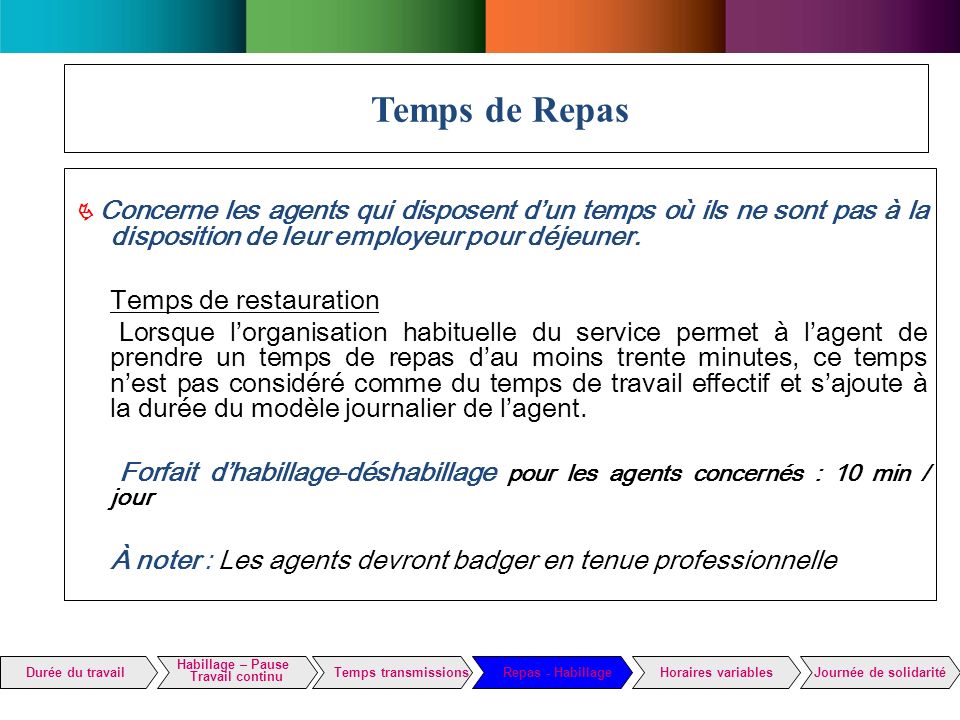
Okay, so here’s where the “jurisprudence” part comes in. Jurisprudence, in this context, refers to the body of case law that has built up around this whole “dressing and undressing time” issue. In France, the key piece of legislation is Article L. 3121-3 of the Labour Code. This article basically states that if an employer requires an employee to wear a specific uniform or outfit on the workplace, then the time spent putting on and taking off that uniform must be compensated.
Now, the devil, as they say, is in the details. What exactly constitutes a “required” uniform? What kind of compensation is appropriate? That’s where the courts come in, interpreting the law and applying it to specific situations. Think of it as detectives trying to piece together the puzzle of each individual case!
The courts have considered several factors, including:
- Is the wearing of the uniform mandated by the employer? If it’s optional, then it’s less likely to be compensated.
- Is the uniform worn on the premises of the company or can the employee put it on at home?
- Does the uniform contain identifiable elements that indicate to which company the employee belongs?
- The amount of time it takes to dress and undress. A few minutes might be seen differently than a more elaborate process.
The compensation can take different forms, it can be a financial remuneration or a compensation in the form of rest, for example.
Dressing Time: It’s Not Just About Clothes
Think about it: putting on protective gear isn’t just like throwing on a t-shirt. It can involve multiple layers, specific procedures, and safety checks. This all adds up, and it’s time taken out of the employee’s day.
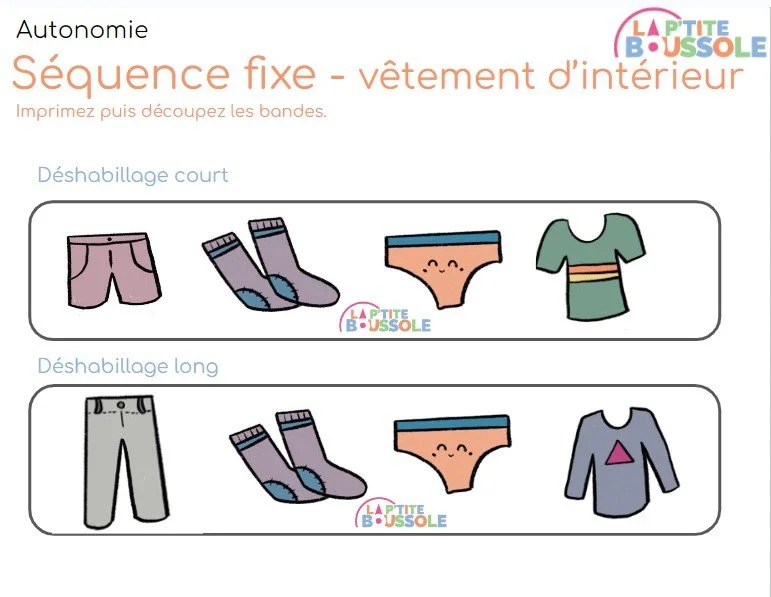
The French case law has evolved over the years and has clarified that it is not strictly about clothes. It is about all of the obligatory equipment or protection measures required by the employer, for example a hearing protection kit. This could extend to even more complex protective equipment, such as respirators or specialized suits worn in hazardous environments.
Example Time: Let’s Get Practical!
To make this more relatable, let’s imagine a few scenarios:
- Scenario 1: A nurse working in a hospital is required to wear a specific type of scrub that identifies her as an employee of that hospital. She has to change into the scrubs at the hospital before her shift and change out of them before leaving. In this case, the time spent changing is likely to be compensable.
- Scenario 2: A cashier working at a supermarket is required to wear a company-branded apron. She can choose to put it on at home or at the store. In this case, the time spent putting on the apron may not be compensable, especially if it’s considered a minor task and can be done quickly.
- Scenario 3: A construction worker is required to wear a hard hat, safety boots, and a high-visibility vest. He has to put these on before entering the construction site and take them off after leaving. In this case, the time spent putting on and taking off the safety gear is likely to be compensable, especially considering the safety aspect and the employer’s obligation to ensure safe work conditions.
Why Is This Cool? The Human Element
Okay, so why is all this interesting? Because at its heart, the debate over “temps d’habillage et de déshabillage” is a debate about fairness and respect in the workplace. It’s about recognizing that employees’ time is valuable and that even seemingly small tasks like changing clothes can add up to a significant amount of time over the course of a week, a month, or a year.
It’s also about the evolving nature of work. As jobs become more specialized and require more specific attire and equipment, the question of compensation for dressing and undressing time becomes increasingly relevant. Think of it as the labor law equivalent of keeping up with the latest tech trends!
![[Droit du travail] - Rémunération du temps d'habillage des employés](https://i.ytimg.com/vi/ItCSST8ymVI/maxresdefault.jpg)
So, the next time you see someone putting on a uniform or protective gear at work, take a moment to consider the bigger picture. It’s not just about the clothes; it’s about recognition, respect, and the value of time in the modern workplace.
Thinking Outside the Box: Beyond France
Although we focused on France, it’s worth noting that similar debates are happening in other countries as well. The exact laws and regulations may differ, but the underlying principle is the same: should employees be compensated for the time they spend getting ready for and unwinding from work? It’s a global question with local answers, and it’s fascinating to see how different legal systems approach the issue.
Consider this: In some countries, collective bargaining agreements play a significant role in determining whether or not dressing and undressing time is compensable. Unions may negotiate specific provisions in their contracts that address this issue, ensuring that employees are fairly compensated for their time.
The Takeaway: Be Aware, Be Informed
So, what’s the ultimate takeaway from our deep dive into the world of “temps d’habillage et de déshabillage”? It’s simple: be aware of your rights as an employee! Understand what your employer requires of you in terms of attire and equipment, and know your country’s or even company’s rules regarding compensation for getting ready. Information is power!
Also, it’s important to note that labor laws are subject to change and interpretation. So, stay informed, and if you have specific questions or concerns, don’t hesitate to seek advice from a legal professional or a labor union representative.
And who knows, maybe one day you’ll be at a party, and someone will bring up “temps d’habillage et de déshabillage.” You can confidently chime in with your newfound knowledge and impress everyone with your grasp of obscure (but important!) employment law. You’ll be the star of the evening, the legal rockstar of the party!
Disclaimer: This article is for informational purposes only and does not constitute legal advice.
.jpg)