Okay, picture this. I’m making ice cubes, right? Super basic. I fill the tray, pop it in the freezer, and then I impatiently check on them every hour. And every time, it feels like ages before that last bit of water finally transforms into solid ice. Seriously, it’s like the water is deliberately taunting me. But why? Why does it take so long? Well, my friends, that’s exactly what we’re going to dive into today: the curious case of temperature stabilization during a phase change.
Ever wondered why your ice water stays at 0°C (or 32°F for my American friends) even though your fridge is much colder? Or why your boiling water doesn’t instantly turn into steam at 100°C? It’s all thanks to something called latent heat, and it’s a total game-changer when it comes to understanding how things heat up and cool down.
What Exactly is a Phase Change?
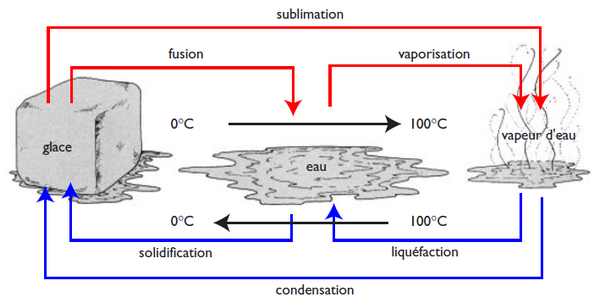
First, let’s quickly recap what we mean by “phase change.” We’re talking about those transformations between solid, liquid, and gas. Think of:
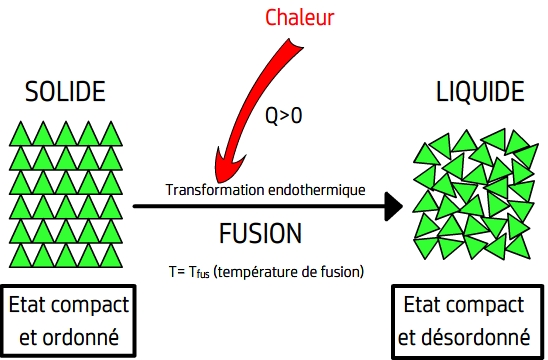
- Melting: Solid to liquid (ice to water)
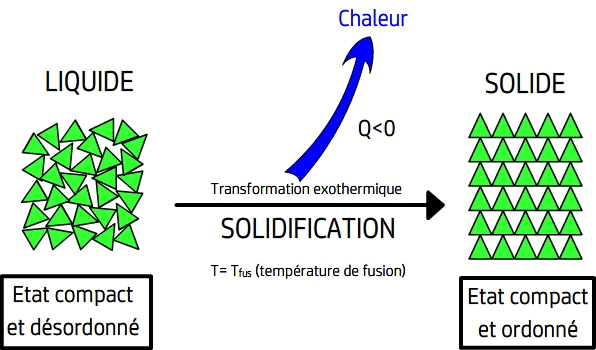
- Freezing: Liquid to solid (water to ice)
- Boiling (or Vaporization): Liquid to gas (water to steam)
- Condensation: Gas to liquid (steam to water)
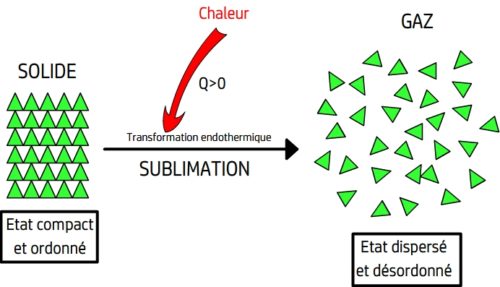
- Sublimation: Solid to gas (dry ice to carbon dioxide gas – super cool!)
- Deposition: Gas to solid (frost forming on a window)
Each of these transitions requires energy – either energy being added to the substance (like when you heat ice to melt it) or energy being removed from the substance (like when you cool water to freeze it). And this energy, my dears, is where the magic happens.
The Latent Heat Lowdown
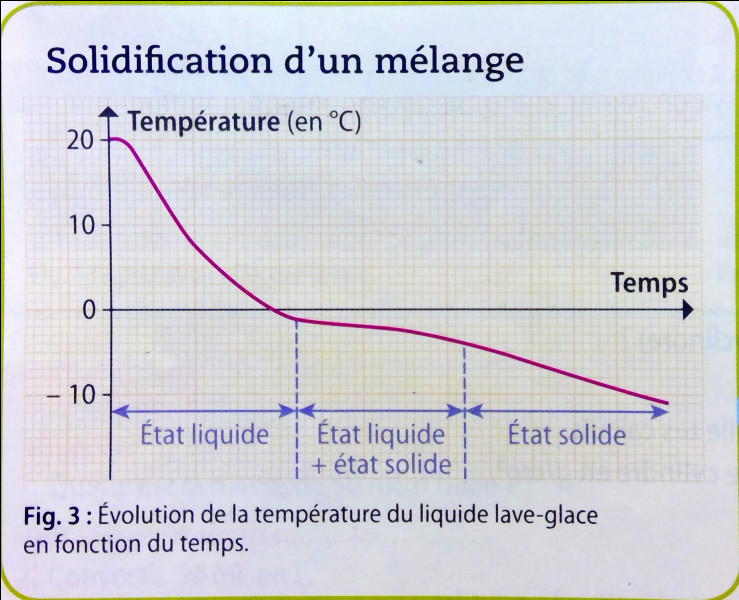
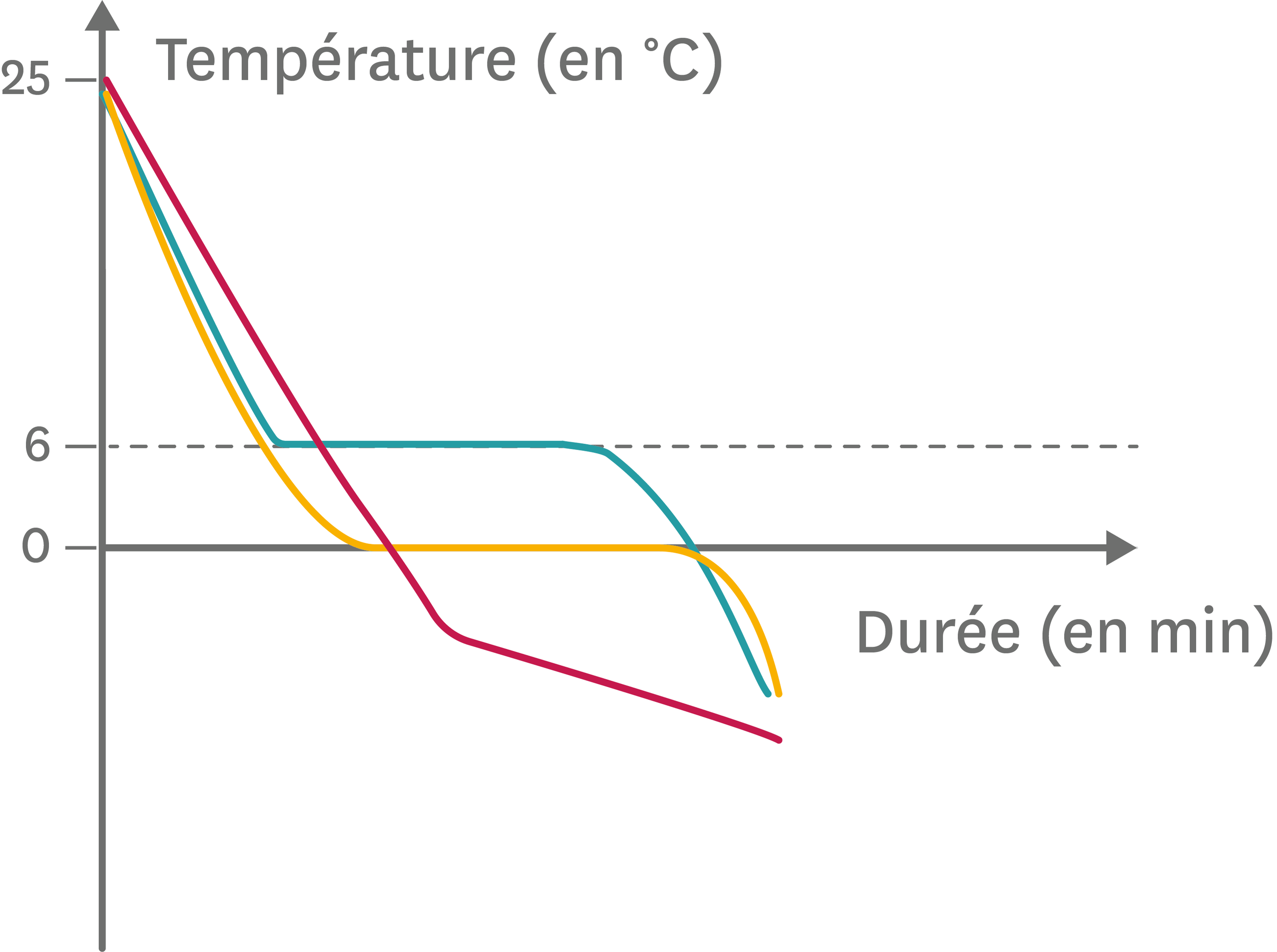
Here’s the key takeaway: during a phase change, the temperature of the substance remains constant, even though energy is still being added or removed. This is because the energy is being used to break or form intermolecular bonds, rather than increasing the kinetic energy of the molecules (which is what we perceive as temperature).
That energy we’re talking about is called latent heat. It’s “latent” because it’s hidden; it’s not causing a temperature change. It’s working behind the scenes, breaking down the social structure of the molecules, so to speak. Think of it as the energy needed to convince everyone to change their mind and move into a new phase of existence. Dramatic, I know.

Types of Latent Heat
There are two main types of latent heat:
- Latent Heat of Fusion: The energy required to change a substance from a solid to a liquid (or vice-versa). This is what’s happening when your ice melts.
- Latent Heat of Vaporization: The energy required to change a substance from a liquid to a gas (or vice-versa). This is what’s happening when your water boils.
Each substance has its own specific latent heat values for fusion and vaporization. These values depend on the strength of the intermolecular forces within the substance. Stronger forces mean more energy is needed to break them, hence a higher latent heat. Water, famously, has a relatively high latent heat of vaporization, which is why it takes so much energy to boil water compared to, say, alcohol.
Fun fact: Water’s high latent heat is one of the reasons why sweating is such an effective cooling mechanism! The water absorbs heat from your skin to evaporate, leaving you feeling cooler.

Why Does the Temperature Stay Constant?
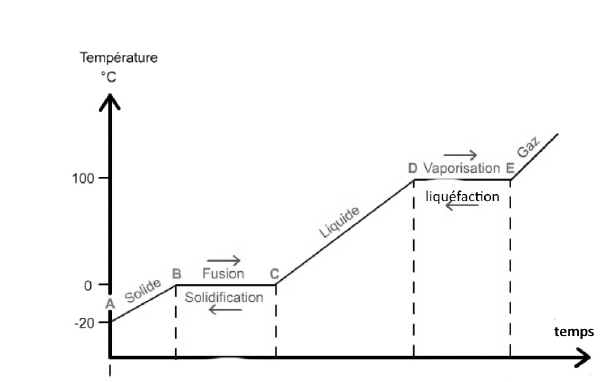
Let’s break this down a bit more. Imagine you have a beaker of ice at -10°C. You start heating it up. The temperature rises, right? The ice gets warmer and warmer until it reaches 0°C. Now, here’s the crucial part: even though you’re still adding heat, the temperature will stay at 0°C until all the ice has melted into water.
Why? Because all that added heat is being used to break the bonds holding the water molecules in their rigid, crystalline ice structure. It’s not raising the temperature of the ice/water mixture; it’s just changing the state of the water from solid to liquid.
Once all the ice has melted, then the added heat will start to increase the temperature of the liquid water. The water will heat up until it reaches 100°C (assuming standard atmospheric pressure). At 100°C, the same thing happens again! The temperature plateaus while the water absorbs heat to turn into steam. Only once all the water has vaporized will the temperature of the steam start to rise.

So, during a phase change, the energy goes into changing the state of matter, not into increasing the temperature. It’s like having a team of workers (energy) who are either focused on building a new house (phase change) or moving furniture inside an existing house (temperature change). They can’t do both at the same time effectively.
Real-World Examples (Besides My Ice Cubes!)
This phenomenon of temperature stabilization during a phase change isn’t just some abstract scientific concept. It has tons of real-world applications, some of which you probably encounter every day:
- Refrigeration: Refrigerants (the stuff in your fridge) undergo phase changes (boiling and condensing) to absorb heat from inside the refrigerator and release it outside. This allows your fridge to keep your food cool.
- Air Conditioning: Similar to refrigeration, air conditioners use phase changes to cool the air in your home or car.
- Cooking: Think about steaming vegetables. The temperature of the steam remains constant at 100°C, providing a consistent and efficient way to cook the vegetables without overcooking them.
- Weather: The evaporation of water from the ocean absorbs a tremendous amount of heat, which plays a crucial role in regulating global temperatures. Condensation of water vapor in the atmosphere releases heat, driving weather patterns and storms.
- Cryogenics: Liquid nitrogen, which boils at -196°C, is used for rapid freezing in various applications, including medical procedures and preserving biological samples. The temperature remains incredibly stable during the boiling process.
So, the next time you’re enjoying a cold drink with ice, remember that the ice is working hard to keep your drink cold, not just by being cold itself, but by absorbing heat as it melts. And that absorption process keeps the temperature nice and stable. You’re welcome.

Wrapping Up (and Maybe Making More Ice Cubes)
The stabilization of temperature during a phase change might seem like a small detail, but it has a massive impact on our world. From keeping our food cold to shaping our weather patterns, this phenomenon plays a vital role in many aspects of our lives.
So, the next time you’re impatiently waiting for your ice cubes to freeze (like me, probably!), remember the latent heat and the energy that’s working behind the scenes. It might not make the process any faster, but at least you’ll understand why it’s taking so long!
And who knows, maybe this little explanation will impress your friends at the next cocktail party. “Oh, this drink is delightfully chilled! You know, the latent heat of fusion is really doing its job…” They’ll think you’re a genius. You’re welcome. Again.
Now, if you’ll excuse me, I’m off to check on my ice cubes. Wish me luck!