Okay, let’s be honest. How many times have you been lost in the labyrinth that is French bureaucracy? I remember once trying to understand my mutuelle bill – it looked like it was written in hieroglyphics! It’s moments like those you realize you need a map, a guide, something to navigate the system. And when it comes to your health, that “something” is understanding how the French healthcare system is structured. Ready to dive in? Think of this as your survival guide!
So, you’re probably wondering, “Why should I even care about this? I just want to see a doctor when I’m sick!” And that’s perfectly valid. But trust me, a little knowledge goes a long way. Knowing how the system works can save you time, money, and a whole lot of frustration. Plus, it’s fascinating, like unraveling a complex puzzle!
The Grand Design: An Overview
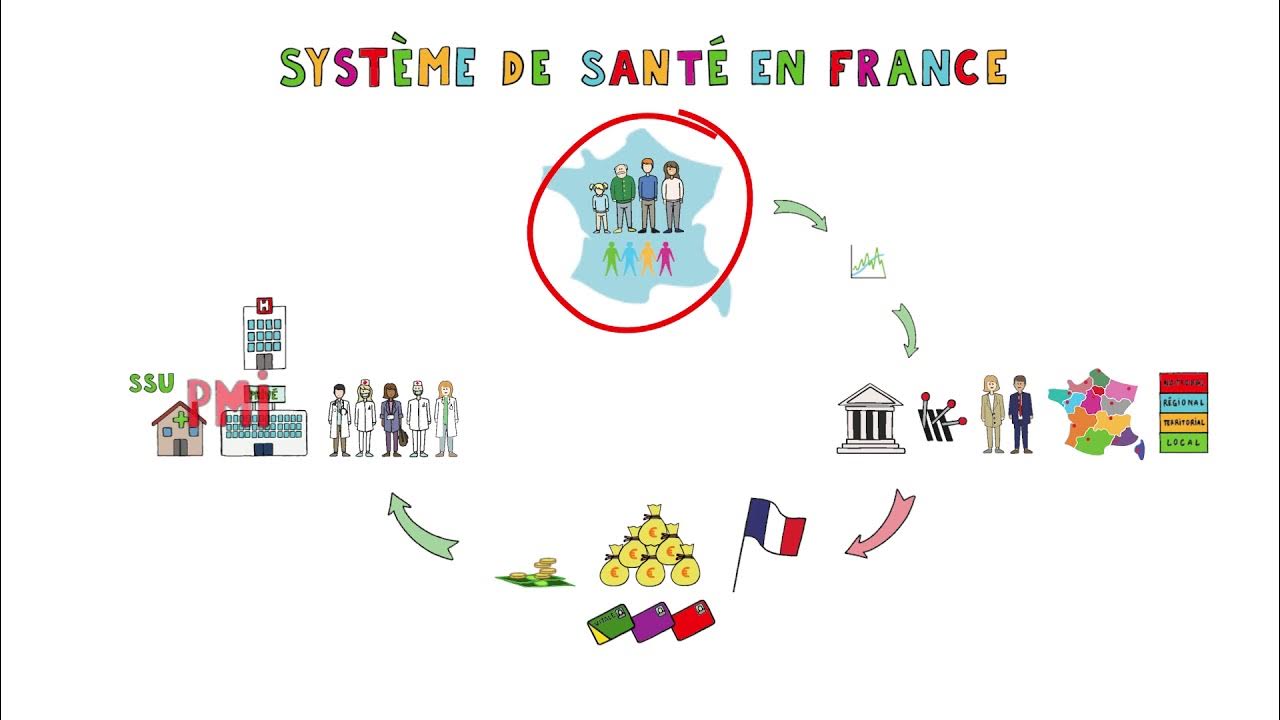
The French healthcare system, or Sécurité Sociale, is based on the principle of universal healthcare. Everyone residing in France has the right to access healthcare, regardless of their income, age, or social status. Sounds pretty good, right? It’s a system built on solidarity, where everyone contributes (through taxes and social security contributions) to ensure everyone else gets the care they need. It’s not perfect, but it’s definitely something to be proud of.
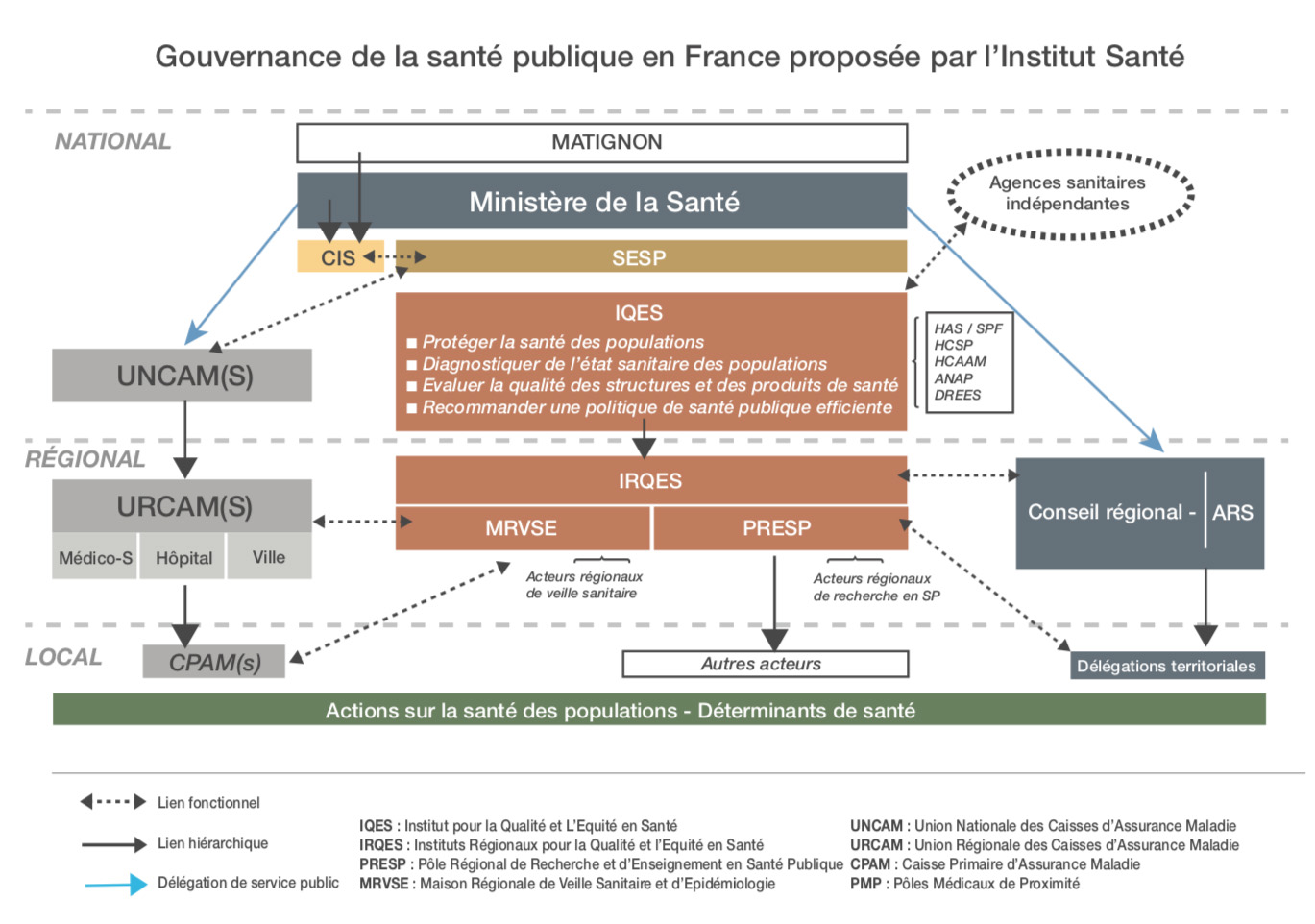
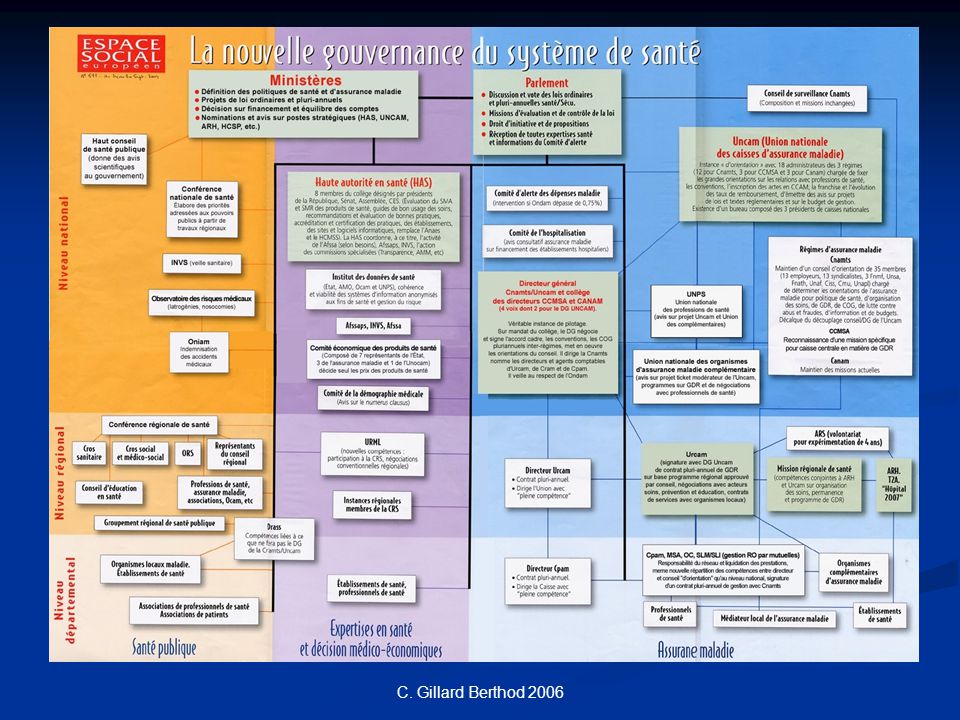
Think of it as a three-legged stool: Assurance Maladie, mutuelles, and the providers themselves. Let’s break down each leg to see how they hold the whole thing up.
Leg 1: Assurance Maladie – The Foundation
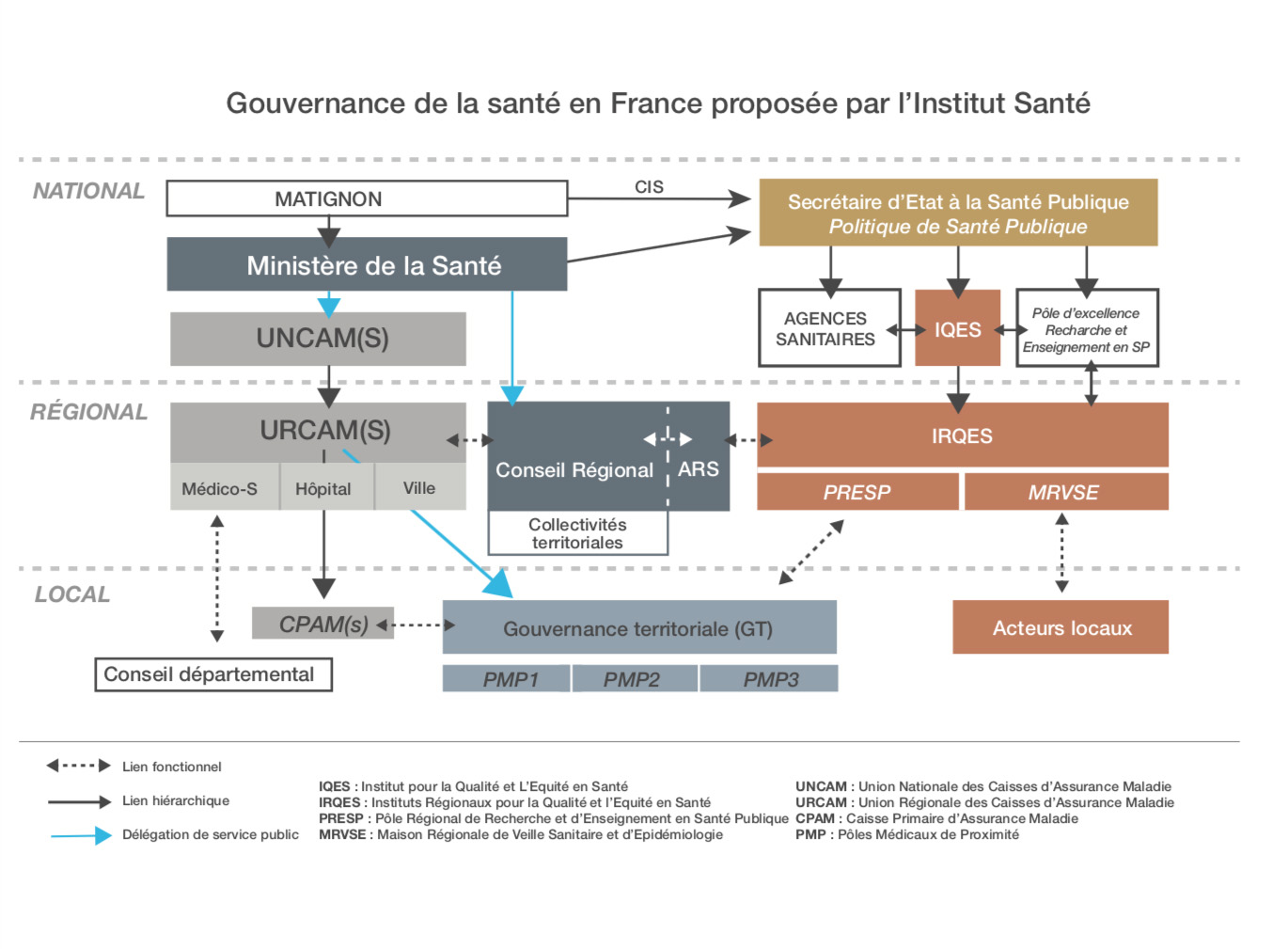
This is the big cheese, the OG of French healthcare. Assurance Maladie, officially known as Caisse Primaire d’Assurance Maladie (CPAM), is the public health insurance system. It’s the base of the entire system. It covers a significant portion of your healthcare costs, typically around 70-80% for doctor visits and hospital stays. This is the one that sends you the carte Vitale – that little green card that’s your golden ticket to healthcare in France. (Don’t lose it!)
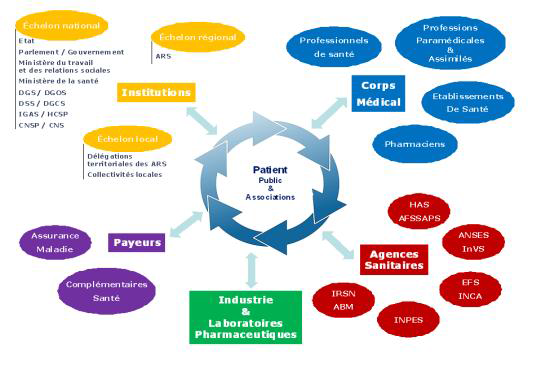
- Who pays for it? Workers contribute a percentage of their salary, and employers also contribute. The self-employed also pay contributions.
- What does it cover? Doctor visits, hospital stays, medications (some are reimbursed more than others, naturally!), and certain medical procedures.
- How do you access it? You need to register with CPAM. This usually happens when you start working in France or if you are a long-term resident.
Petite astuce: Make sure your carte Vitale is always up-to-date! You can usually update it at pharmacies.
Leg 2: Mutuelles – The Top-Up
Okay, so Assurance Maladie covers a good chunk of your expenses, but not everything. That’s where mutuelles come in. A mutuelle, or complémentaire santé, is a supplemental health insurance. They cover the remaining portion of your healthcare costs that Assurance Maladie doesn’t, like the “ticket modérateur” (the part you’d normally have to pay out of pocket), and can also provide better coverage for things like dental care, vision, and alternative medicine.
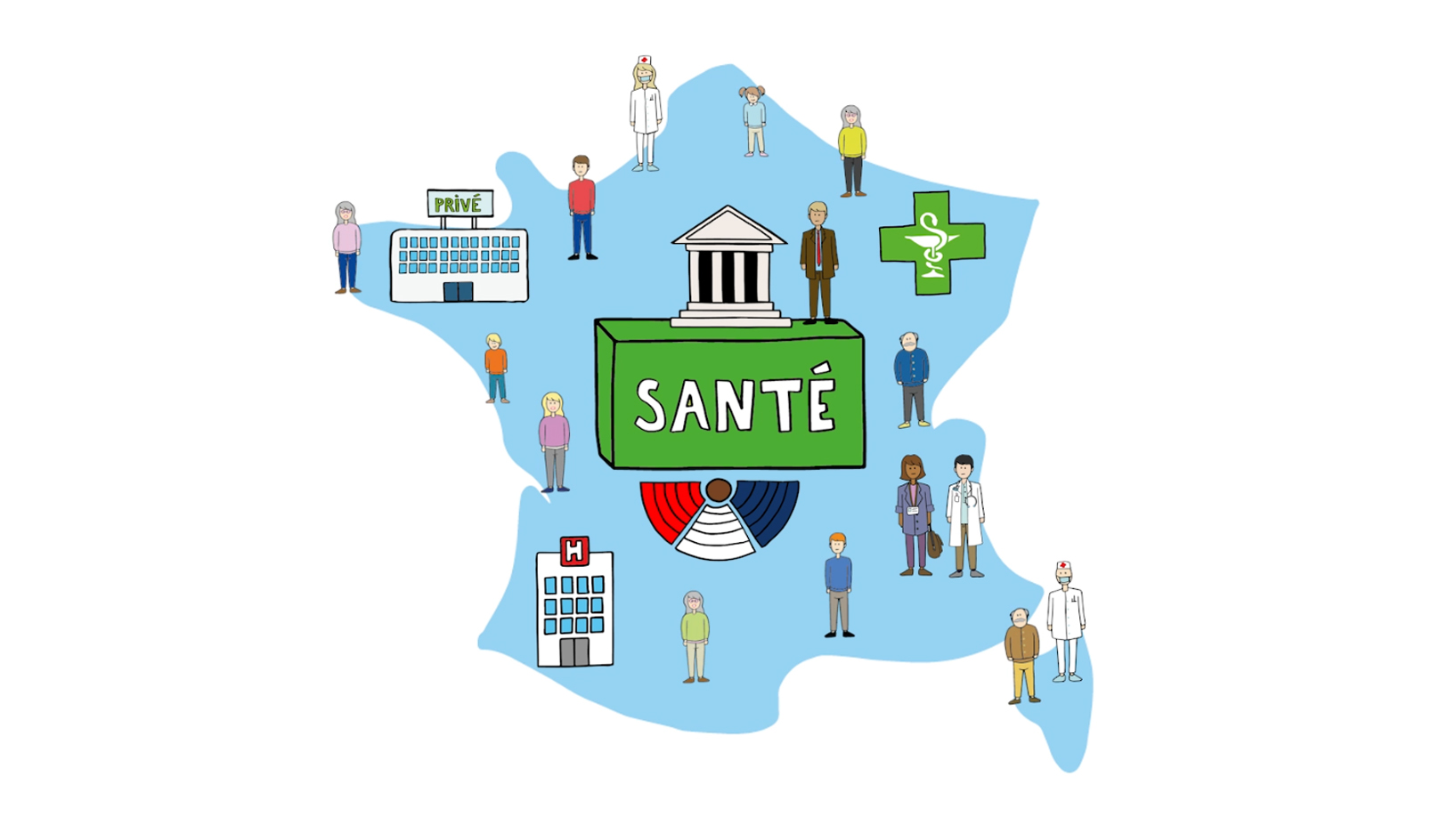
Think of mutuelles as the VIP package. You can choose different levels of coverage, depending on your needs and budget. Some employers even offer mandatory mutuelles to their employees.
- Why get a mutuelle? To reduce your out-of-pocket expenses and have access to better coverage for certain services.
- Who needs a mutuelle? Pretty much everyone! Especially if you wear glasses, need dental work, or have chronic health conditions.
- How do you choose a mutuelle? Shop around! Compare different plans and see what they cover and how much they cost. There are plenty of comparison websites available online.
Side note: Did you know that some mutuelles offer services like telemedicine and access to specialists more quickly? Worth looking into!
Leg 3: The Providers – Doctors, Hospitals, and More
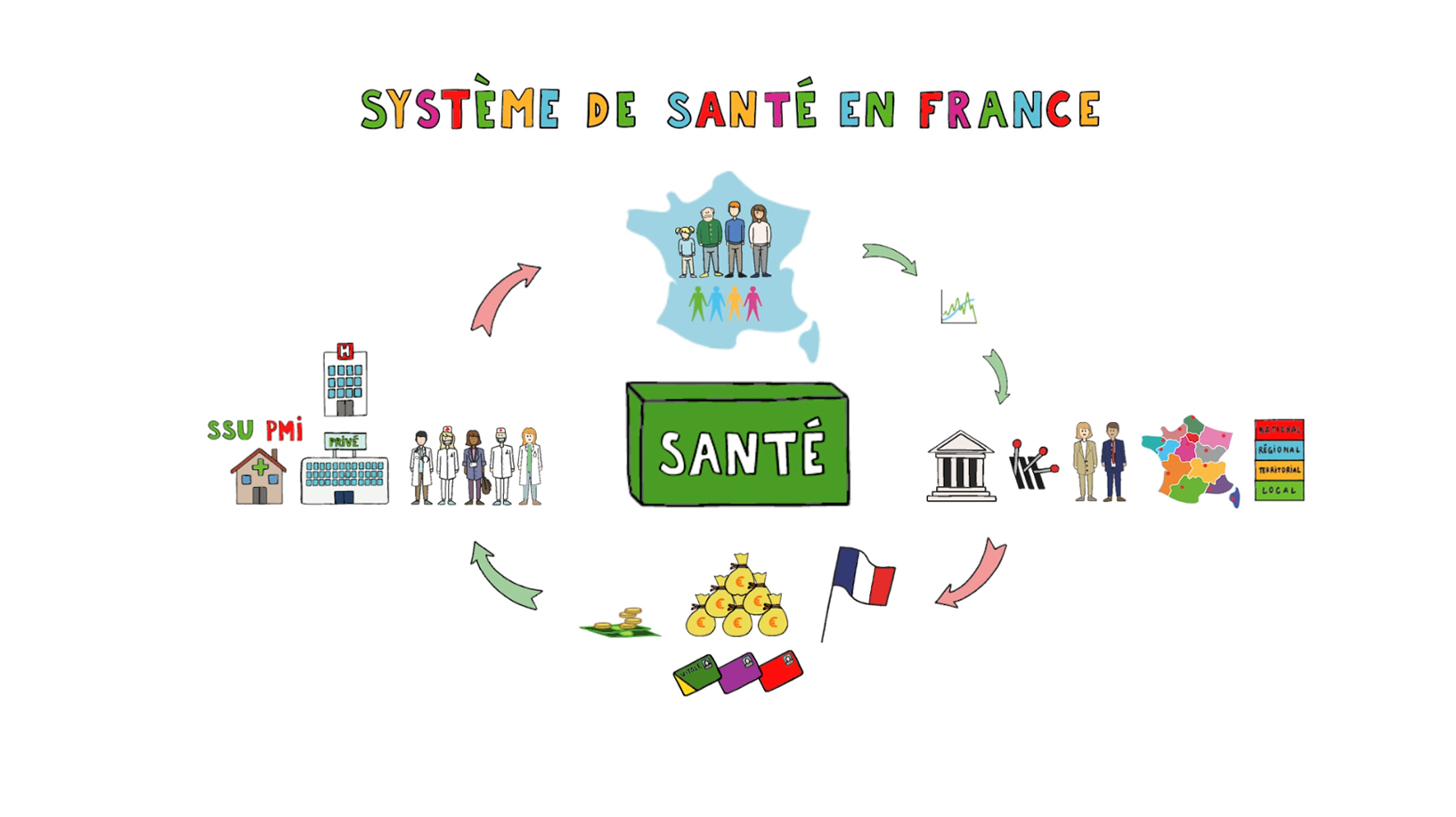
These are the people on the front lines – the doctors, nurses, specialists, and hospital staff who provide the actual healthcare. In France, you have the choice between public and private providers.

- Médecins généralistes (General Practitioners): Your first port of call for most health issues. They can refer you to specialists if needed. It’s worth noting that the médecin traitant (designated GP) system can offer better reimbursement rates if you declare one.
- Spécialistes (Specialists): Doctors who specialize in a particular area of medicine (e.g., cardiologist, dermatologist). You usually need a referral from your GP to see a specialist, although there are exceptions.
- Hôpitaux publics (Public Hospitals): These are state-funded hospitals that offer a wide range of medical services.
- Cliniques privées (Private Clinics): These are privately owned hospitals and clinics that offer similar services to public hospitals, but often with shorter waiting times and more luxurious amenities (though you might pay more!).
Choice, choice, choice! You’ve got options aplenty when it comes to who treats you. But remember, depending on your mutuelle, reimbursement rates might vary between public and private sectors.
Navigating the System: A Few Tips
So, now you have a basic understanding of the French healthcare system. But here are a few extra tips to help you navigate it like a pro:
- Declare a médecin traitant (designated GP): This is important for optimizing your reimbursement rates.
- Always carry your carte Vitale with you: You’ll need it for every doctor’s appointment.
- Understand your mutuelle coverage: Know what’s covered and what’s not.
- Don’t be afraid to ask questions: If you don’t understand something, ask your doctor, your mutuelle, or CPAM.
- Be patient: The French healthcare system can be complex, but it’s worth the effort to understand it.
A Word About the Future
The French healthcare system is constantly evolving. There are ongoing debates about funding, access, and the role of public and private providers. Keep an eye on the news to stay informed about the latest developments. The system is not without its flaws, waiting times can be long for certain specialists or procedures, and access in rural areas can be challenging. But on the whole, it’s a robust system that provides high-quality care to a large population.
So, there you have it – a whirlwind tour of the French healthcare system! It might seem daunting at first, but with a little bit of knowledge, you can navigate it with confidence. Remember, your health is important, so take the time to understand your options and make the most of the resources available to you. And if you ever get lost in the bureaucracy, just remember my mutuelle bill story – you’re not alone!
Disclaimer: This article is for informational purposes only and should not be considered medical or legal advice. Always consult with a qualified healthcare professional for any health concerns.







.jpg)
