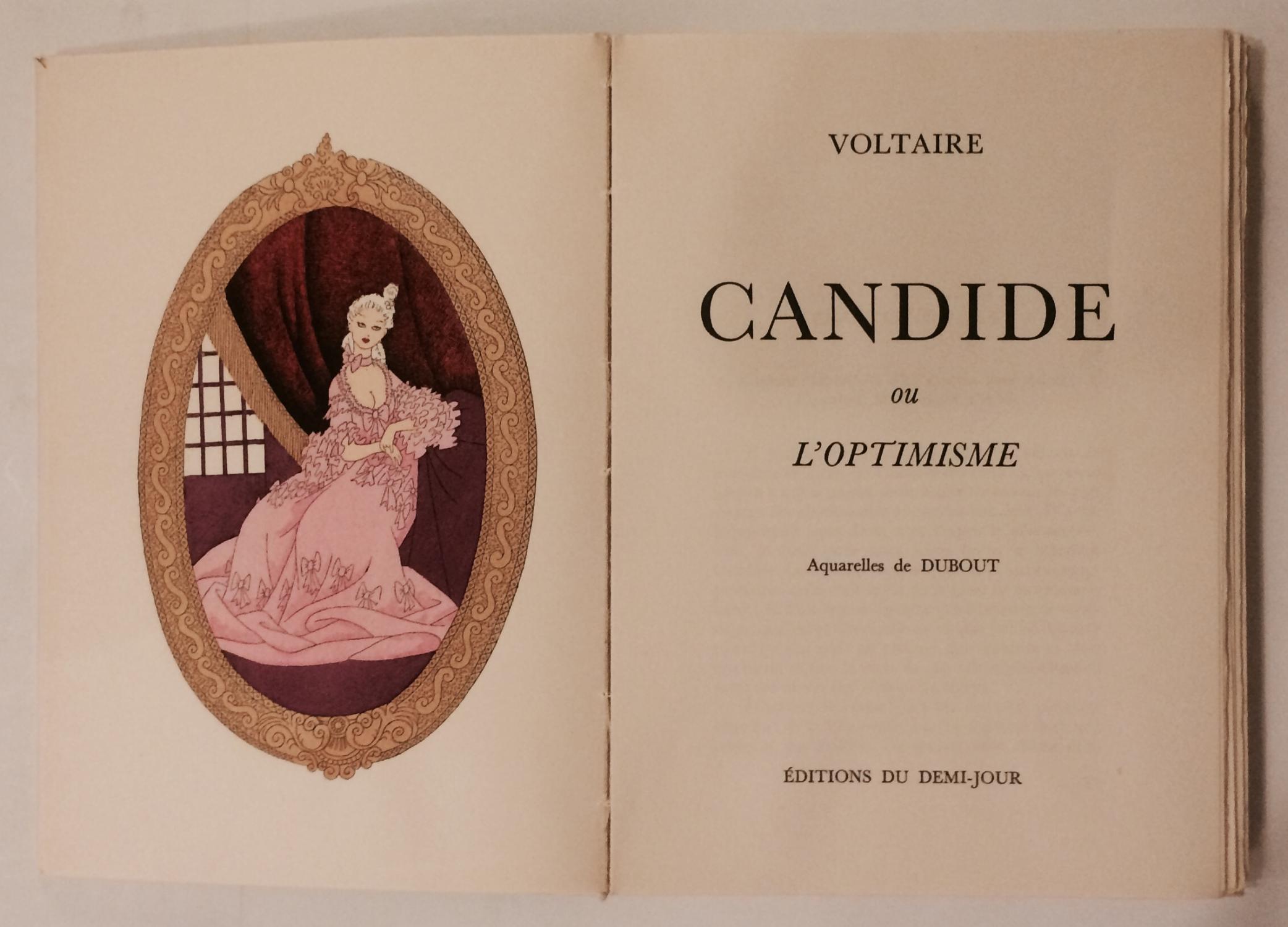
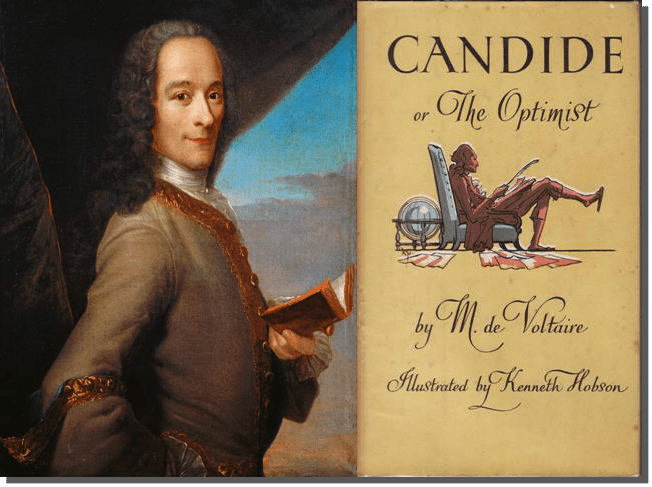
Okay, imagine this: you’re at a party, right? And some super enthusiastic, but slightly naive, person is going on and on about how amazing everything is, how lucky we all are, and basically regurgitating some pre-packaged “best of all possible worlds” spiel. You’re nodding politely, maybe grabbing another canapé, but secretly thinking, “Dude, have you seen the news lately?”
That, in a nutshell, is kind of what reading Voltaire’s Candide feels like. But infinitely more witty and with way more ridiculous misfortune piled upon one poor, optimistic soul. Speaking of misfortune, grab your own metaphorical canapé because we’re about to dive deep into the (hilariously) miserable world of Candide!
The Core of the Tale: Optimism Put to the Test
So, Candide is all about this naive young guy, Candide (duh!), who is taught by his tutor, Pangloss, that we live in the “best of all possible worlds.” Pangloss is a disciple of Leibnizian optimism, which basically means believing that everything that happens, no matter how terrible, is ultimately for the best. Even if it involves getting flogged, witnessing massacres, or catching syphilis (yikes!).
Think of it like this: Pangloss is the ultimate silver-lining enthusiast, even when the cloud is a raging, apocalyptic storm. You with me so far?
Leaving the Castle and Facing Reality
Candide starts off living a relatively sheltered life in the castle of Baron Thunder-ten-tronckh in Westphalia (yes, that’s a real place!). But, being young and foolish, he falls in love with Cunégonde, the Baron’s daughter. This leads to his expulsion (a swift kick to the behind, basically). And that’s when the real adventure begins – an adventure filled with…well, almost exclusively terrible things.
Here’s a quick rundown of the highlights (or lowlights, depending on how you look at it):

- War! Candide is forced into the Bulgar army and witnesses unimaginable brutality.
- Earthquakes! Lisbon gets hit by a massive earthquake (a real historical event, by the way), and Candide and Pangloss are nearly killed (again!).
- Auto-da-fé! To appease God (and hopefully prevent more earthquakes), the authorities hold an auto-da-fé, a public execution of heretics. Pangloss gets hanged! (Or does he? More on that later.)
- The Old Woman’s Story! Candide meets a mysterious old woman with a tale of woe so extreme it makes your average soap opera look like a children’s show. (Seriously, her story is wild!)
- El Dorado! For a brief, glorious moment, Candide stumbles upon El Dorado, a utopian society where everyone is happy and rich. But, being Candide, he eventually decides to leave. Because, you know, true love and all that jazz.
- Constant Misery! Through it all, Candide, along with a colorful cast of characters he picks up along the way (including a resurrected Pangloss!), experiences a constant barrage of misfortune. Shipwrecks, robberies, betrayals – you name it, they’ve got it!
Honestly, listing all the terrible things that happen to Candide and his friends could take all day. It’s almost comical how relentlessly things go wrong for them.
Pangloss’ Unshakable Optimism (and Why It’s Ridiculous)
Despite all the evidence to the contrary, Pangloss stubbornly clings to his philosophy of optimism. Even when he’s riddled with syphilis, watching people die horribly, or being enslaved, he somehow manages to find a way to justify it all as being “for the best.”
This, of course, is the point. Voltaire is using Pangloss as a vehicle to satirize blind optimism. He’s saying, “Hey, maybe believing everything is perfect all the time isn’t the most realistic or helpful way to approach life.” Think about it, wouldn’t it be infuriating to hear someone say “everything happens for a reason” after you’ve just gone through something truly awful?

Voltaire uses irony brilliantly to expose the absurdity of Pangloss’s worldview. He shows us, through Candide’s experiences, that the world is full of suffering, injustice, and senseless violence. To simply dismiss all of that as part of some grand, benevolent plan is, frankly, delusional.
The Characters: A Gallery of the Damned (and the Slightly Less Damned)
Besides Candide and Pangloss, Candide is populated with a memorable cast of characters, each with their own unique story of hardship and survival. There’s Cunégonde, who goes from being a beautiful, aristocratic young woman to a slave with…let’s just say, diminished charms. (Voltaire doesn’t pull any punches!) There’s Martin, a pessimistic scholar who provides a counterpoint to Pangloss’s optimism. And there are various other adventurers, beggars, and con artists who cross Candide’s path, each adding to the overall sense of chaos and disillusionment.
These characters highlight the diverse forms that suffering can take and the resilience of the human spirit (or, in some cases, the complete lack thereof).
So, What’s the Point? The Moral of the Story
After all the travels, the tribulations, and the near-constant existential crises, Candide and his companions finally settle down on a small farm. And here, they discover the true secret to happiness: hard work and self-sufficiency. As Candide famously says, “Il faut cultiver notre jardin,” which translates to “We must cultivate our garden.”

What does this mean? Well, it’s not about literally just gardening (although that probably wouldn’t hurt!). It’s about focusing on what you can control, working to improve your own circumstances, and finding meaning in everyday tasks. It’s about rejecting abstract philosophical debates and embracing practical action.
Essentially, Voltaire is advocating for a kind of pragmatic realism. He’s saying, “Stop worrying about whether this is the best of all possible worlds. Focus on making your world a little bit better. Focus on what’s in front of you.” Sounds reasonable, right?
More Than Just a Funny Story: The Deeper Themes
While Candide is undoubtedly hilarious, it’s also a deeply serious work. Voltaire uses satire to critique a variety of social and political ills, including:

- Religious fanaticism: The auto-da-fé scene is a scathing indictment of religious intolerance and persecution.
- The aristocracy: Voltaire mocks the pretensions and absurdities of the nobility.
- War: The brutal depiction of warfare exposes its senselessness and barbarity.
- Philosophical dogma: As we’ve already discussed, Voltaire skewers the blind optimism of Leibnizian philosophy.
Think of Candide as a protest song disguised as a comedy. It’s a call for reason, tolerance, and social justice.
Why You Should Read It (Even Though It’s Painfully Depressing)
Okay, so Candide is definitely not a feel-good story. But it is a brilliant and thought-provoking one. Here’s why it’s worth your time:
- It’s hilarious: Voltaire’s wit and satire are unmatched. You’ll find yourself laughing out loud, even as you’re cringing at the characters’ misfortunes.
- It’s insightful: Candide raises important questions about the nature of good and evil, the meaning of life, and the role of philosophy in society.
- It’s relevant: Despite being written in the 18th century, Candide’s themes of social injustice, religious extremism, and the search for meaning still resonate today.
- It’s short! Seriously, you can read it in an afternoon.
So, next time you’re feeling overwhelmed by the world’s problems, or when you hear someone spouting overly optimistic platitudes, remember Candide. And remember that sometimes, the best thing you can do is just cultivate your own garden.
And maybe grab another canapé. You deserve it!