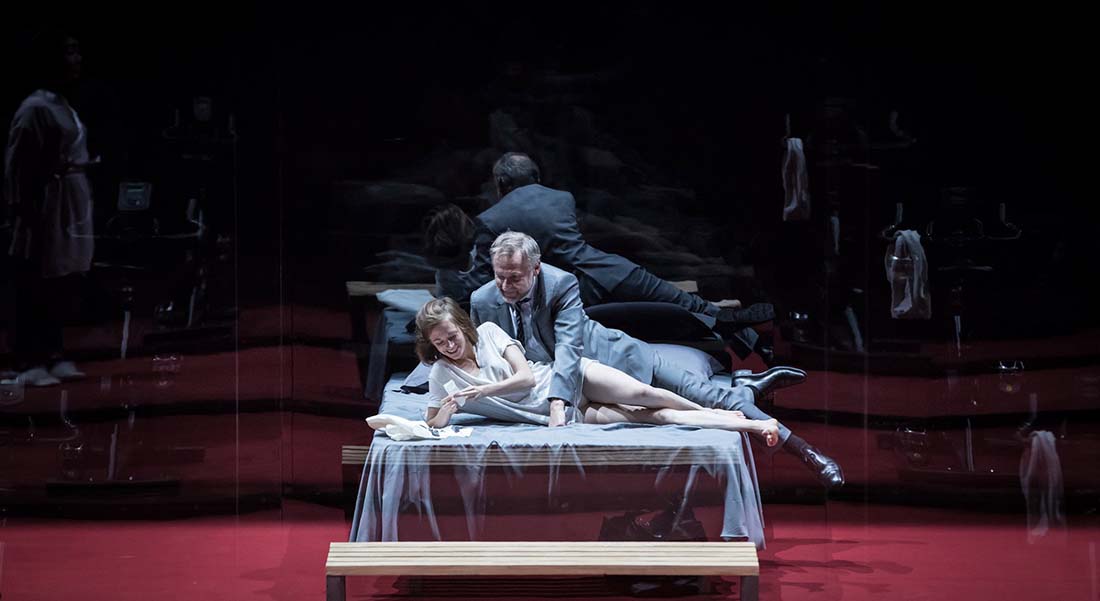
Ah, Molière! Just the name conjures up images of powdered wigs, elaborate costumes, and sharp wit. But beyond the frills and furbelows lies a timeless exploration of human folly. Today, we’re diving headfirst into one of his most debated works: L’École des Femmes (The School for Wives). Don’t worry, this isn’t going to be a dusty literature lecture. Think of it more as a stylish unpacking of a classic – like choosing the perfect vintage handbag to complement a modern outfit.
The Plot in a Nutshell (Or, a Macaron Shell!)
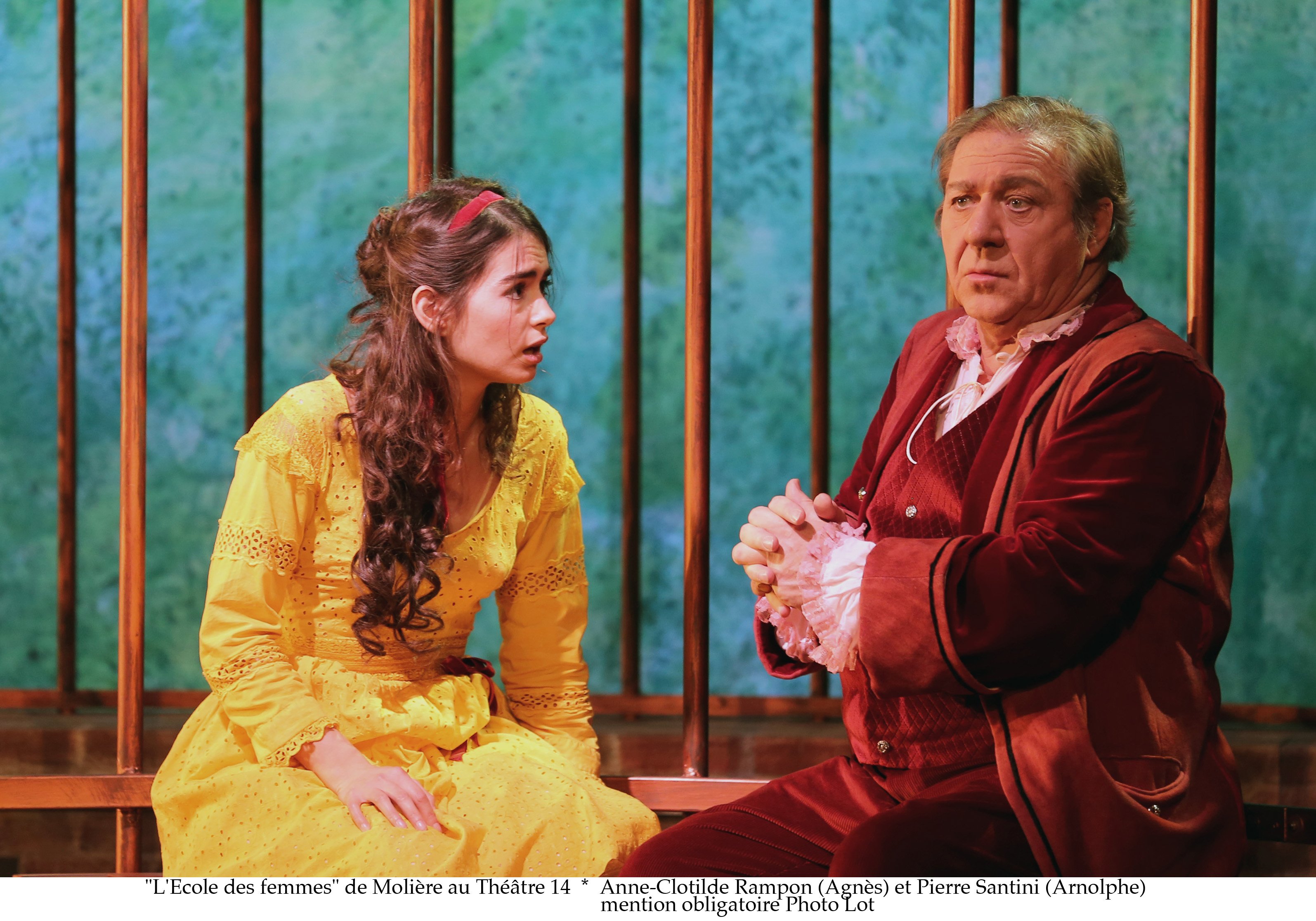
So, what’s the buzz about? Imagine a man named Arnolphe, a wealthy bachelor who’s absolutely terrified of being cuckolded. His solution? To raise a young girl, Agnès, in complete ignorance of the world, believing that a naive wife is a faithful wife. He keeps her sequestered, teaching her obedience and piety. Sounds a bit… problematic, right? Think of it as a 17th-century version of helicopter parenting gone completely off the rails.
However, fate (and a dashing young man named Horace) has other plans. Horace, completely unaware of Arnolphe’s intentions, confides in him about his growing affections for Agnès. Arnolphe, in a delicious twist of dramatic irony, becomes his own worst enemy, unwittingly helping Horace woo the very woman he’s trying to control. Cue the slapstick, the misunderstandings, and the social commentary!
Key Characters: A Cast Worth Knowing
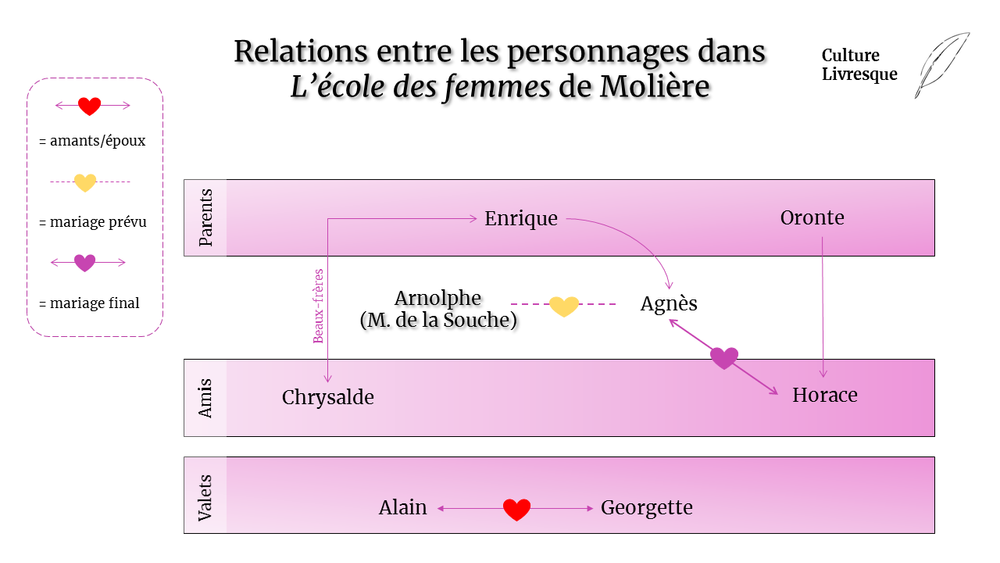
- Arnolphe (also known as Monsieur de la Souche): The paranoid protagonist. He represents the anxieties of men in a patriarchal society afraid of losing control. Think of him as the OG “nice guy” gone wrong – his intentions are, in his own warped way, to secure happiness, but his methods are, shall we say, less than ideal.
- Agnès: The seemingly innocent ingénue. While initially presented as naive, Agnès gradually awakens to the world and asserts her own desires. She’s not as passive as Arnolphe believes, and her journey is one of self-discovery.
- Horace: The charming young suitor. He’s impulsive and a bit clueless, but ultimately genuine in his affections for Agnès. He’s the classic romantic lead, driven by love and oblivious to the machinations around him.
- Alain and Georgette: The two oafish servants. They provide comedic relief and often inadvertently foil Arnolphe’s plans. Think of them as the Rosencrantz and Guildenstern of L’École des Femmes, but with less existential angst and more clumsy antics.
Decoding Molière’s Message: More Than Just Laughs
L’École des Femmes isn’t just a funny play; it’s a biting critique of societal norms and expectations. Molière tackles several important themes:
The Dangers of Control and Ignorance
Arnolphe’s attempt to control Agnès through ignorance highlights the dangers of suppressing knowledge and agency, especially for women. It’s a commentary on the societal pressures placed upon women to be docile and obedient. This theme resonates even today, reminding us to champion education and empowerment for all.
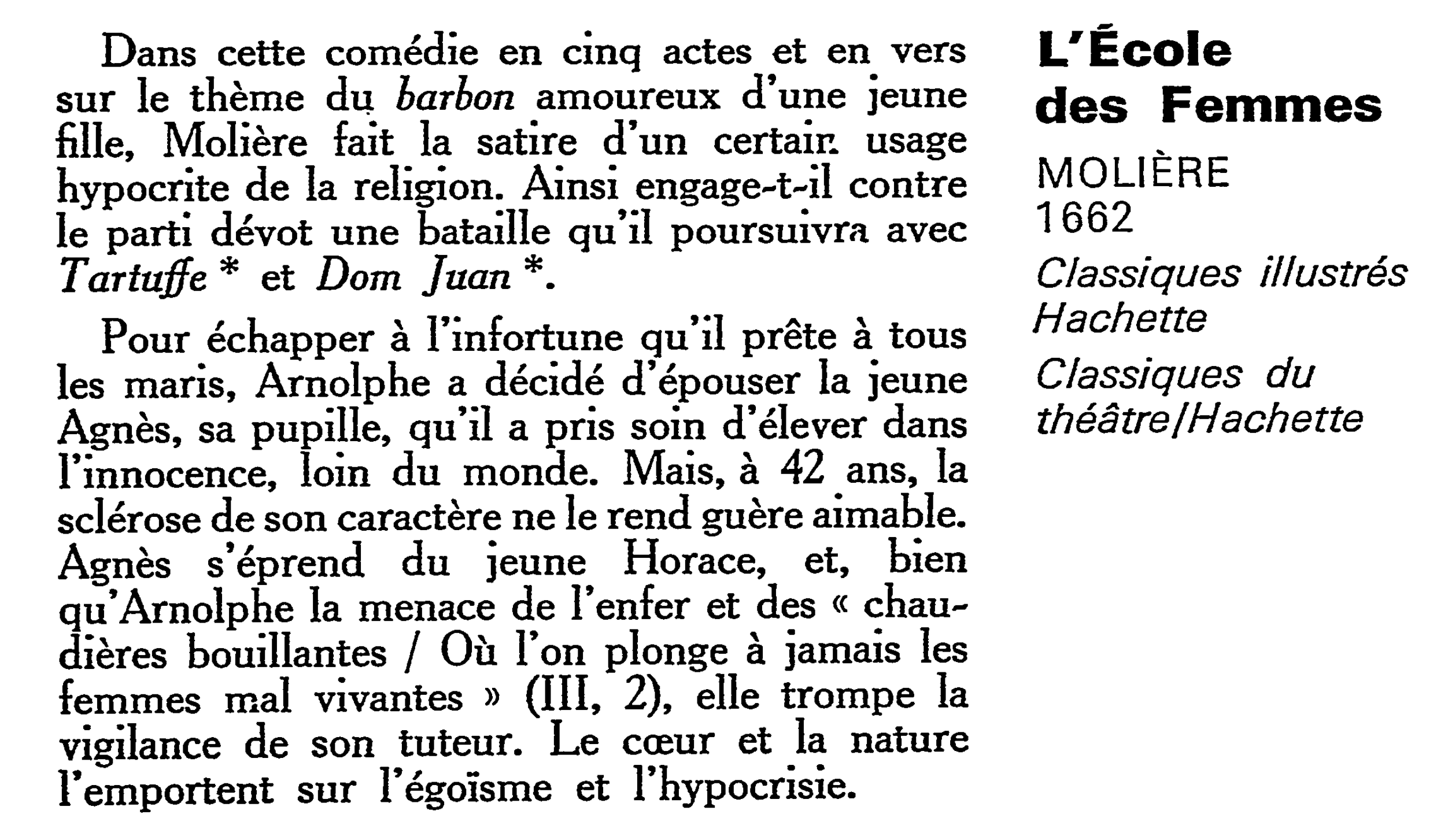
The Absurdity of Jealousy
Arnolphe’s extreme jealousy is portrayed as ridiculous and self-defeating. His paranoia blinds him to reality and ultimately leads to his own downfall. It’s a cautionary tale about the destructive power of insecurity. Remember: Confidence is always the best accessory.
The Power of Love and Instinct
Despite Arnolphe’s best efforts, love blossoms between Agnès and Horace. This suggests that love is a natural force that cannot be controlled or suppressed. Agnès, despite her sheltered upbringing, instinctively recognizes true affection. C’est l’amour!
Social Satire: Pointing and Laughing (But With a Purpose)
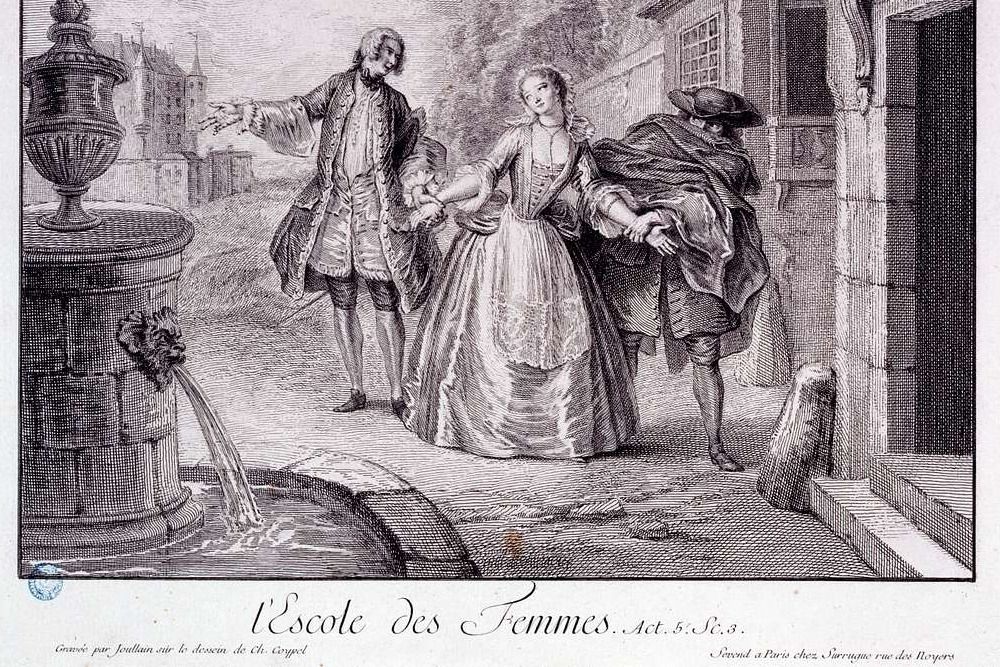
Molière was a master of social satire, and L’École des Femmes is no exception. He uses humor to expose the hypocrisy and absurdity of societal conventions, particularly those surrounding marriage and gender roles. He’s like a 17th-century comedian with a PhD in social commentary.
Why This Play Still Matters Today
Okay, so it was written centuries ago. Why should you care now? Because the themes Molière explored are still relevant. We may not be locking women away in convents anymore (hopefully!), but the desire to control others, the anxieties surrounding relationships, and the societal pressures on women to conform still exist.

Consider these points:
- Controlling Relationships: Arnolphe’s behavior is an extreme example, but controlling tendencies can manifest in subtle ways in modern relationships. Tip: Open communication and mutual respect are key to a healthy partnership.
- Social Expectations: While progress has been made, women still face societal expectations about their roles and behavior. Think: The pressure to “have it all” – career, family, perfect appearance.
- The Power of Individuality: Agnès’ journey of self-discovery is a reminder that everyone deserves the freedom to explore their own identity and make their own choices. Remember: Embrace your authentic self.
L’École des Femmes: A Modern Take
Imagine a modern adaptation. Arnolphe could be a tech mogul obsessively tracking his girlfriend’s online activity, Agnès could be a young woman breaking free from her controlling influencer mother, and Horace could be a struggling artist capturing it all on Instagram. The core themes remain the same, just updated for the digital age.
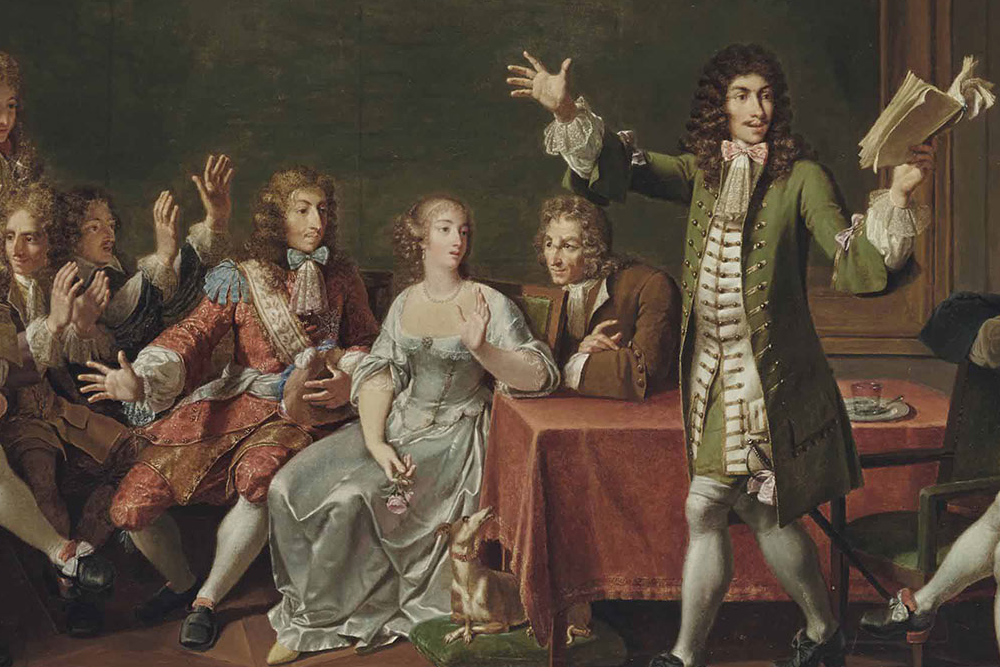
The play has also been subject to various interpretations over time. Some critics see Agnès as a victim of manipulation, while others view her as a proto-feminist character who ultimately takes control of her own destiny. There is no single “right” way to understand L’École des Femmes.
A Little Linguistic Detour: French Phrases to Impress Your Friends
Want to sound extra sophisticated while discussing Molière? Drop these phrases:
- “C’est magnifique!” (It’s magnificent!) Use this to express your appreciation for the play’s wit and humor.
- “Quel dommage!” (What a pity!) Perfect for lamenting Arnolphe’s misguided attempts at control.
- “La plus ça change, plus c’est la même chose.” (The more things change, the more they stay the same.) A fitting observation on the enduring relevance of Molière’s themes.
- “Ah, l’amour!” (Oh, love!) Said with a sigh of exasperation or delight, depending on your perspective.
From Stage to Life: A Final Reflection
Ultimately, L’École des Femmes is a reminder that trying to control others is a futile endeavor. True happiness lies in embracing individuality, fostering genuine connections, and letting go of the need to dictate the actions of those around us. Whether it’s in our personal relationships, our careers, or even our own internal struggles, we can all learn a thing or two from Arnolphe’s mistakes. So, next time you find yourself trying to orchestrate someone else’s life, take a deep breath, remember Molière, and let things unfold organically. La vie est belle! And it’s even better when we allow others to live it on their own terms.