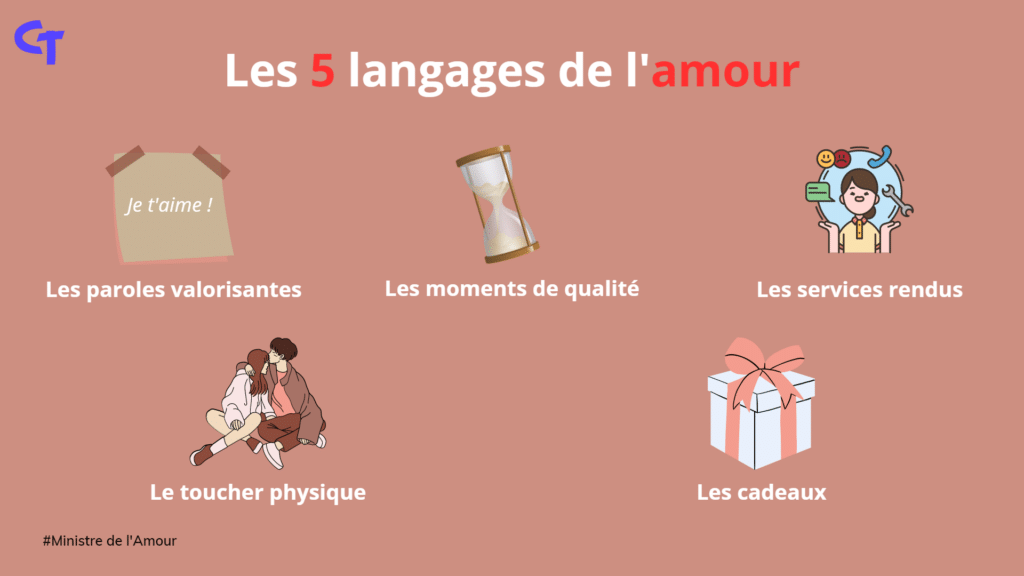
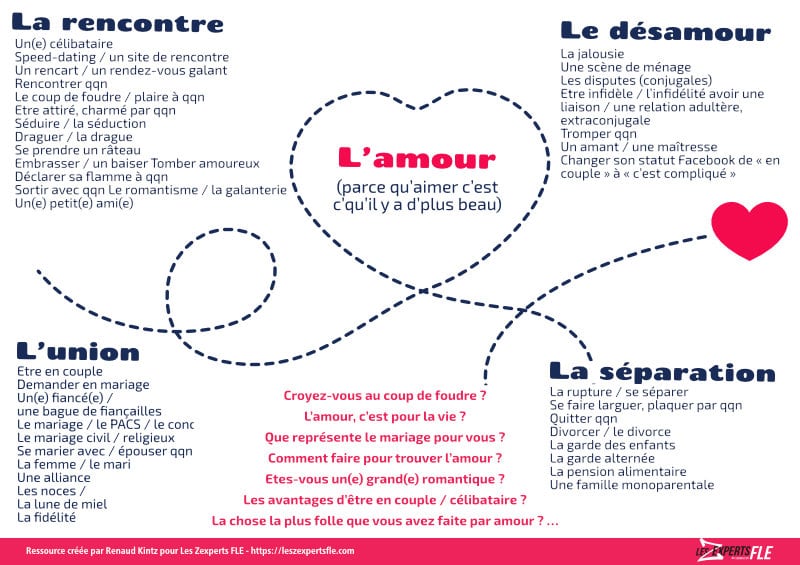
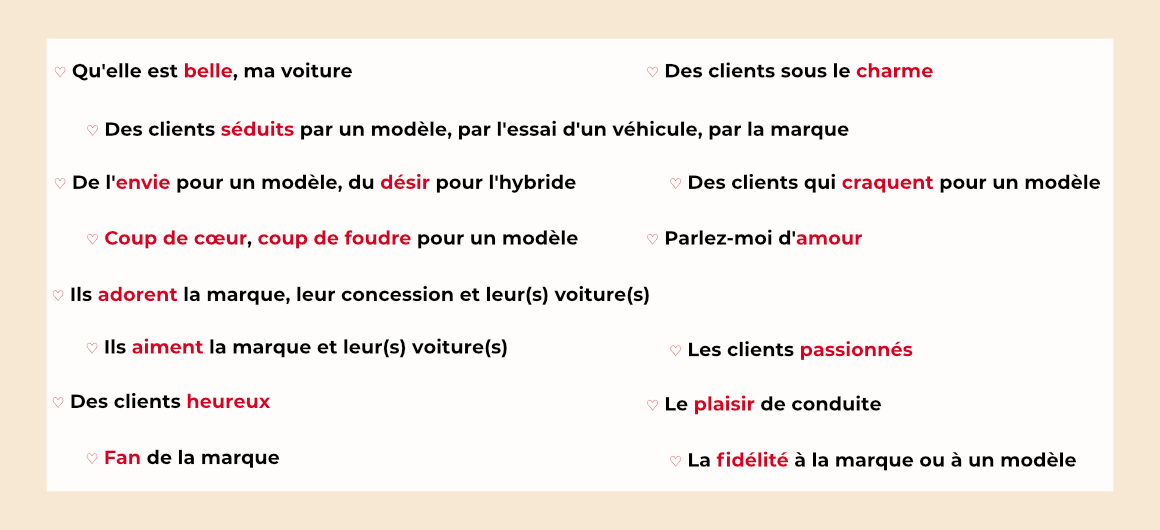
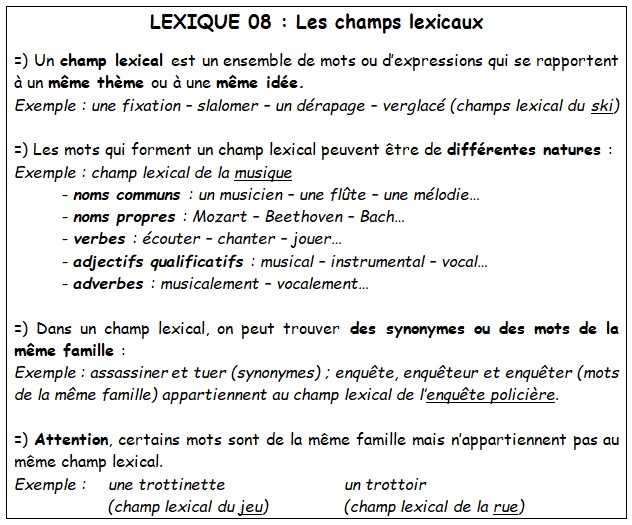
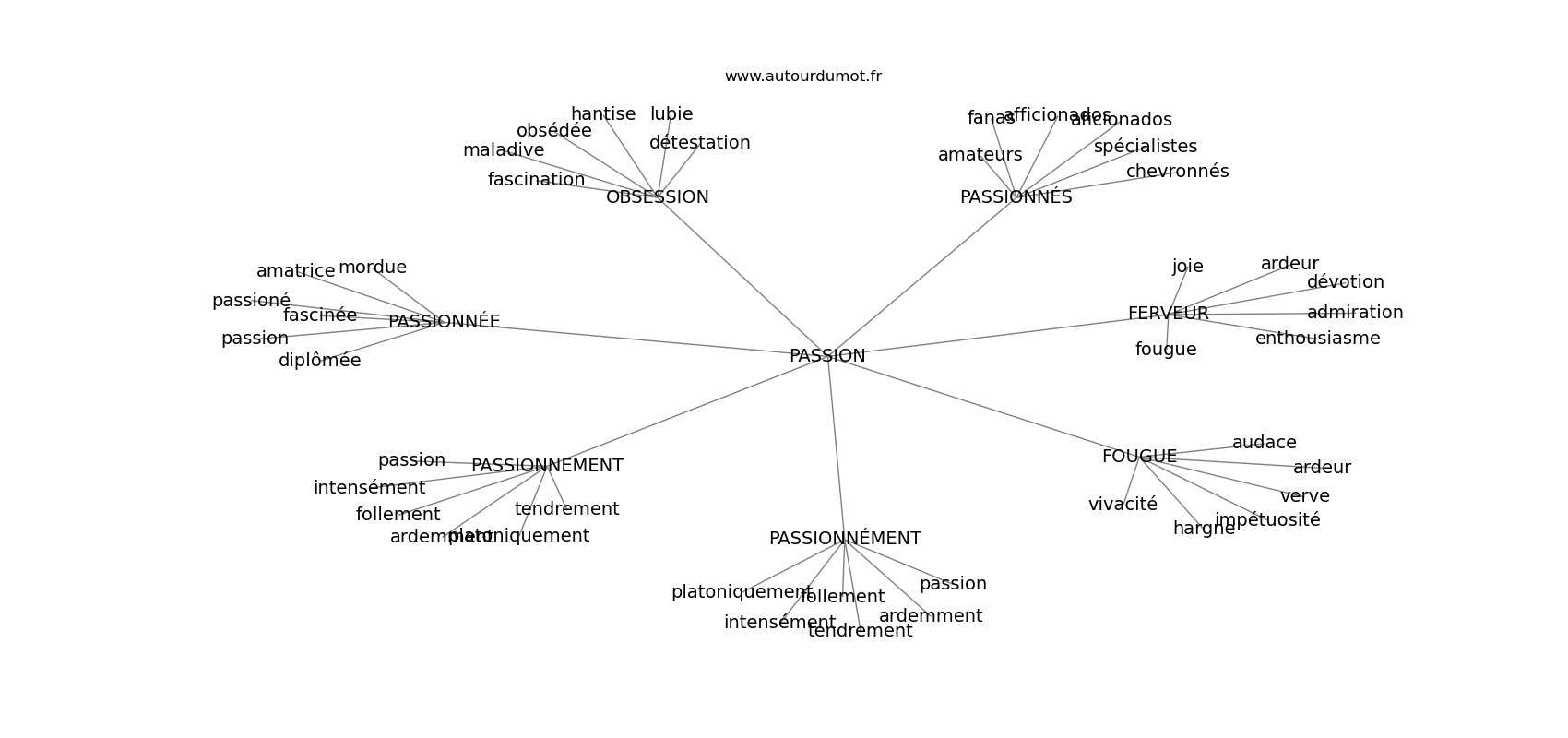
Ah, l’amour! This elusive, intoxicating, and sometimes utterly baffling concept. But hey, that’s what makes it interesting, right? Today, let’s dive headfirst into the shimmering, multi-faceted world of French love, exploring the champs lexical de l’amour. Think of it as your linguistic passport to navigating the sometimes-treacherous, always-romantic landscape of l’amour à la française.
Un Lexique Amoureux: The Vocabulary of Love
Forget your dusty textbooks! We’re talking about the words that truly capture the essence of affection, passion, and everything in between. Let’s break it down:
The Basics: “Je t’aime” and Beyond
Of course, we start with the classics. You probably already know “Je t’aime” (I love you). But did you know there are levels to this, darling?
- Je t’aime bien: This is your “I like you a lot.” Think of it as the friend-zone declaration, but with potential. Use it cautiously!
- Je t’adore: “I adore you!” A step up from liking, but not quite full-blown love. Great for expressing fondness for friends, family, or even that amazing pastry you just devoured.
- Je t’aime: The big one! “I love you.” Use with caution and sincerity.
- Je t’aime à la folie: “I love you madly!” Reserved for grand, passionate declarations. Think Romeo and Juliet (minus the tragic ending, hopefully!).
Words of Endearment: Sweet Nothings in French
French is practically made for sweet nothings. Here are a few terms of endearment to sprinkle into your conversations:
- Mon amour: My love. Timeless and classic.
- Mon chéri/Ma chérie: My dear, darling. Gendered, so choose wisely!
- Mon cœur: My heart. For when they truly hold a special place in your affections.
- Bébé: Baby. Use with caution! It can be cute or clichéd, depending on the context and your partner’s preference.
- Ma puce: My flea (literally!). It sounds odd, but it’s a common and affectionate term, particularly for children or younger lovers. Think of it as a quirky, endearing way to say “my little one.”
Describing Feelings: From Butterflies to Heartbreak
Love isn’t just about the words you say; it’s about the feelings you experience. Here’s a lexicon for describing the rollercoaster of emotions that love can bring:
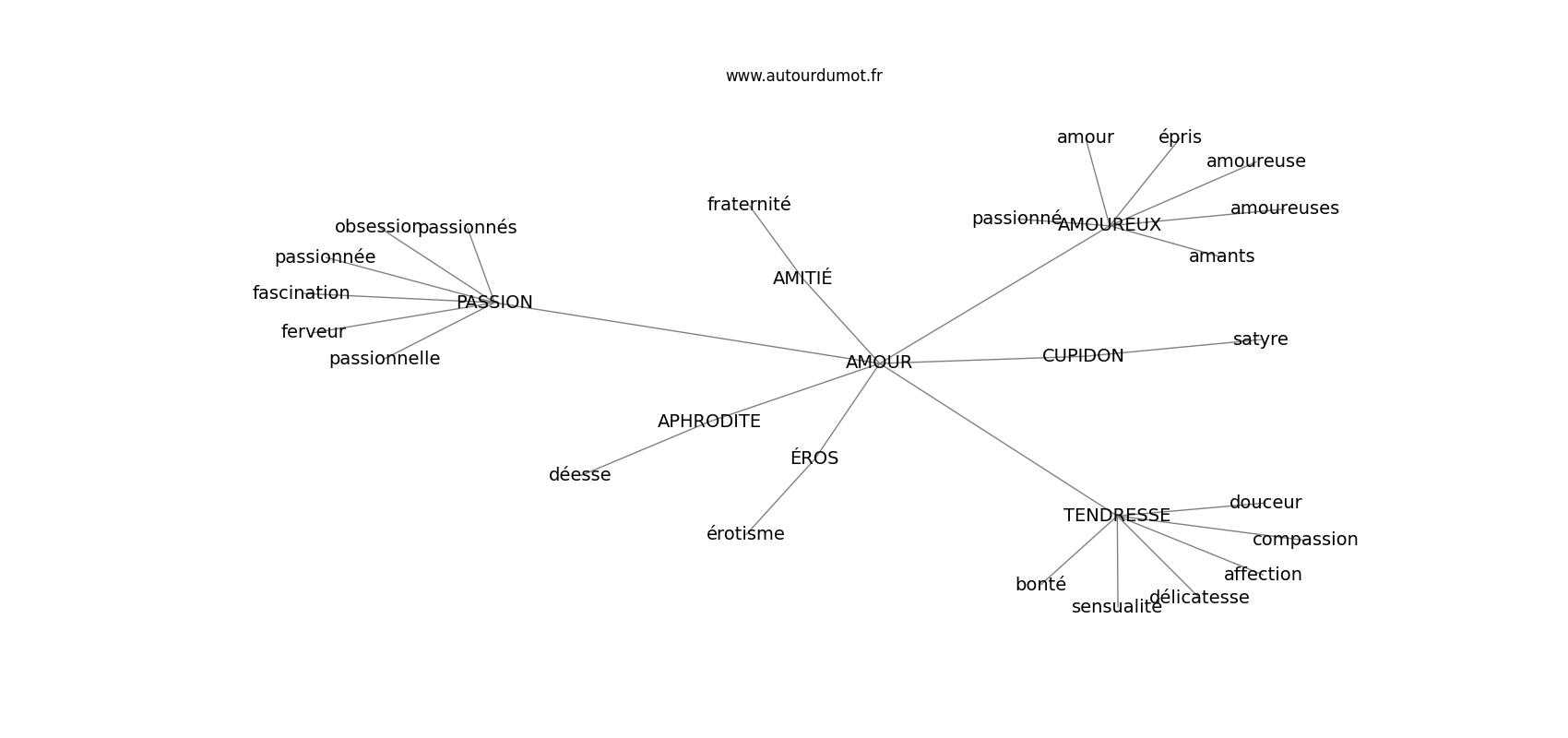
- Éprouver de l’amour pour: To feel love for.
- Être amoureux/amoureuse de: To be in love with.
- Avoir un coup de foudre: To have love at first sight (literally, a “lightning strike”). Imagine the dramatic scene from a classic French film!
- Tomber amoureux/amoureuse: To fall in love.
- Être fou/folle de quelqu’un: To be crazy about someone.
- Le chagrin d’amour: Heartbreak. Ah, the bittersweet pain!
- La passion: Passion. That fiery, all-consuming desire.
- La tendresse: Tenderness. The gentle, loving affection.
- L’affection: Affection. A general feeling of fondness and care.
Love in Context: Cultural Nuances and Practical Tips
Knowing the words is one thing; using them correctly is another. Here are some cultural nuances and practical tips to help you navigate the French dating scene:
- The Importance of Flirting (La Drague): Flirting is practically an art form in France. It’s playful, witty, and often involves a lot of eye contact and subtle compliments. Don’t be afraid to tease and engage in a bit of playful banter.
- The Kiss on the Cheek (La Bise): This is a common greeting, but the number of kisses varies by region. Mastering la bise is crucial for navigating social situations.
- Dinner Dates (Les Rendez-vous): French dates often revolve around food. Expect romantic dinners, leisurely lunches, and plenty of wine.
- Directness vs. Subtlety: While French people can be direct, they also appreciate subtlety and nuance. Pay attention to body language and unspoken cues.
- Don’t Rush Things: French relationships often develop more slowly than in some other cultures. Take your time, enjoy the process, and savor the moment.
Love in the Arts: Inspired by Romance
French culture is steeped in romanticism. From literature to film, art to music, love is a recurring theme. Here are a few cultural references to inspire your own romantic adventures:

- Literature: Cyrano de Bergerac (for the power of words), Le Petit Prince (for the importance of seeing with your heart), Madame Bovary (for the dangers of romantic ideals).
- Film: Amélie (for the whimsical and quirky side of love), Breathless (for the rebellious and passionate side), The Umbrellas of Cherbourg (for the bittersweet beauty of first love).
- Music: Edith Piaf (for the iconic voice of heartbreak), Serge Gainsbourg (for the provocative and sensual side of romance), Jacques Brel (for the intensity and drama of love).
Fun Fact: The “Pont des Arts” Love Locks
For years, lovers attached padlocks to the Pont des Arts bridge in Paris as a symbol of their eternal love. While the locks have since been removed due to structural concerns, the tradition lives on in other forms and places, reminding us of the human desire to create lasting symbols of affection.
Final Thoughts: L’Amour au Quotidien
The champs lexical de l’amour isn’t just about grand declarations and passionate gestures. It’s about the small, everyday moments that make up a loving relationship. It’s about the way you look at each other across the dinner table, the gentle touch of a hand, the shared laughter, and the unwavering support you offer each other. So, embrace the language of love, in all its complexities and nuances. Use it to express your feelings, connect with those you care about, and cultivate meaningful relationships. After all, l’amour, in its many forms, is what makes life truly beautiful.
Now go forth and spread some amour! Bonne chance!