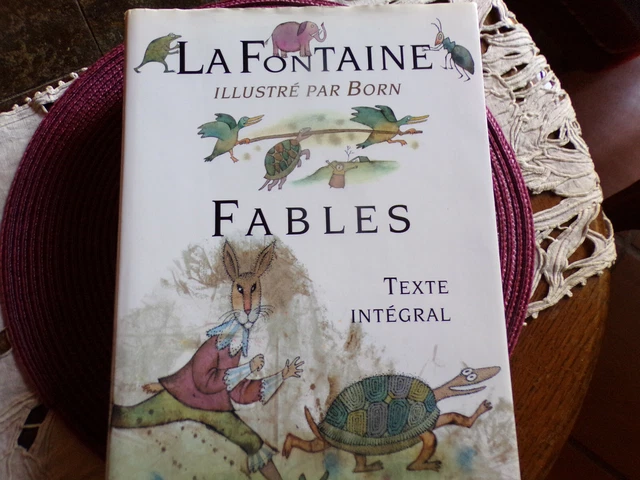
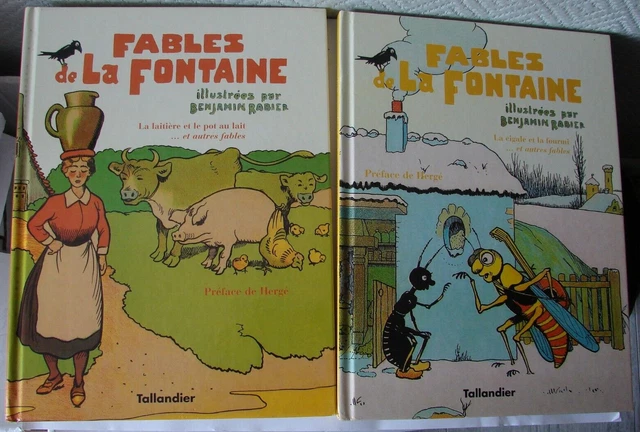
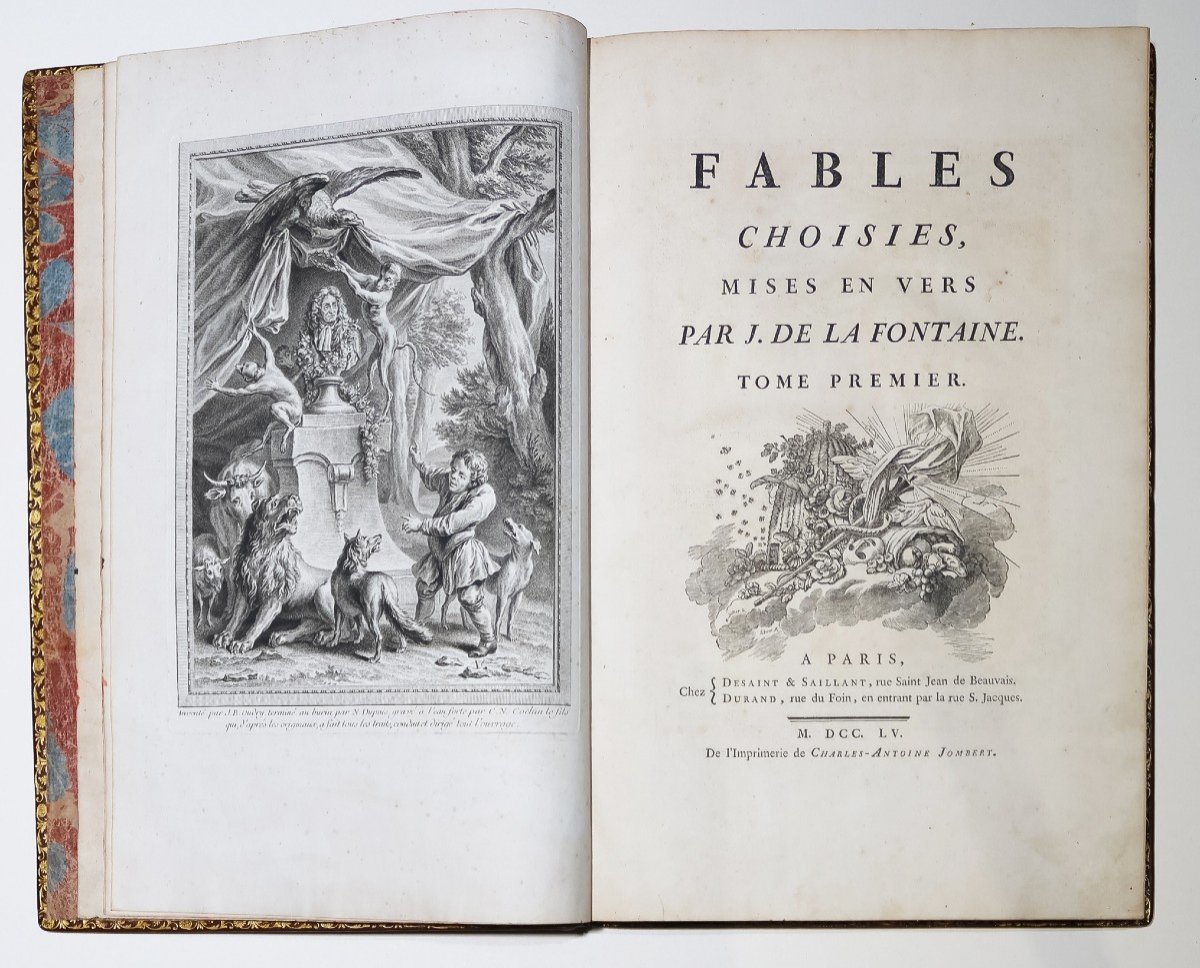
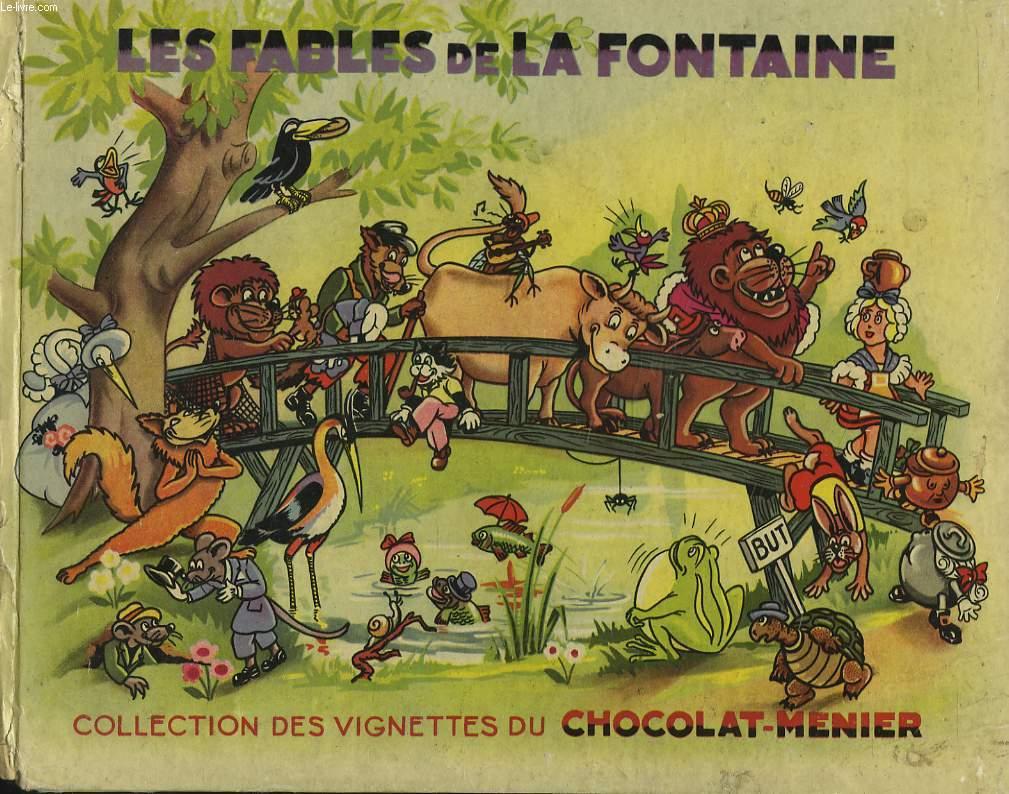
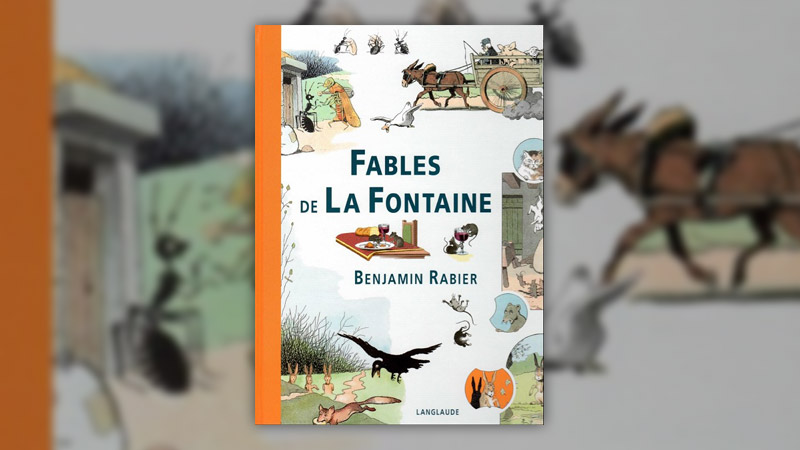
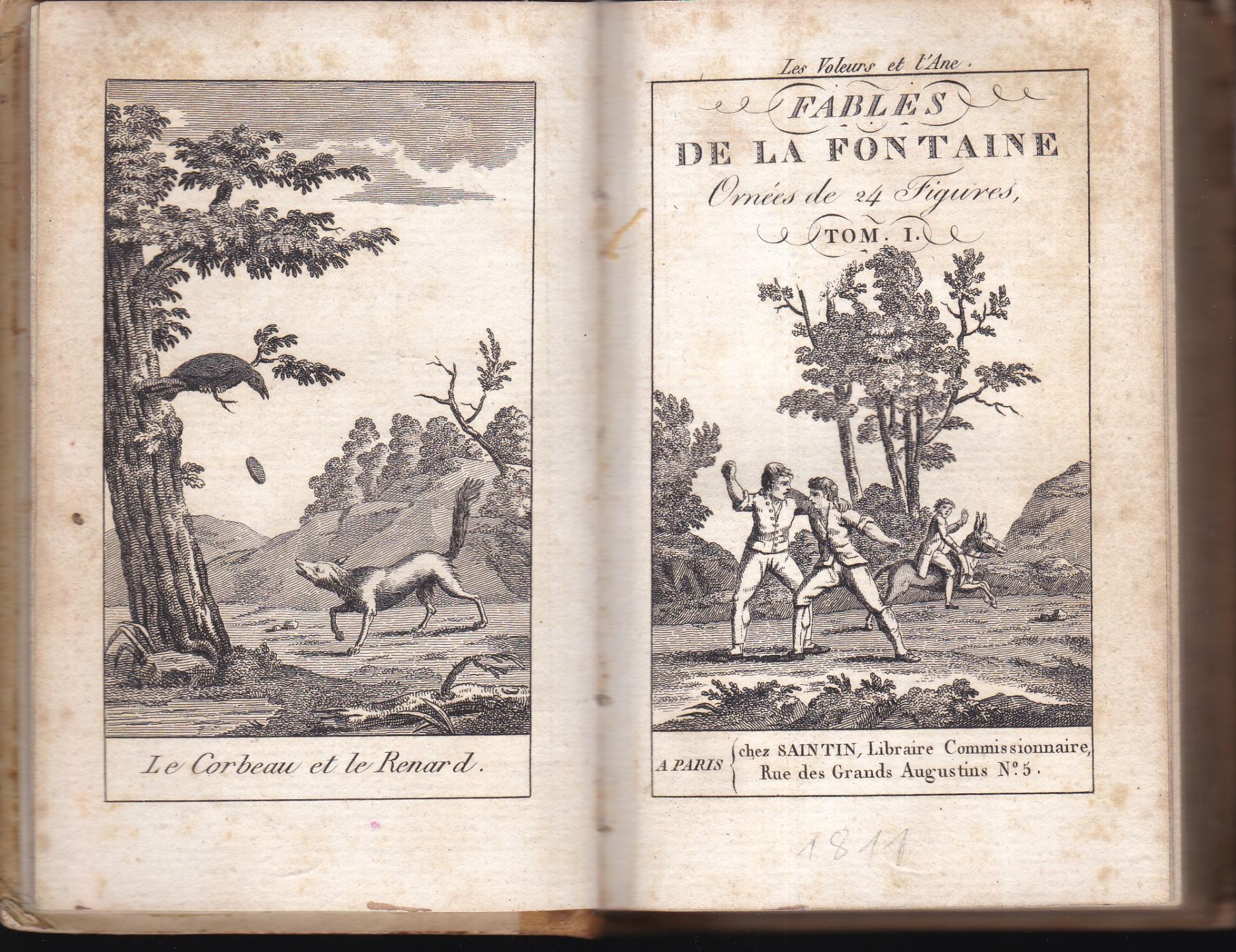
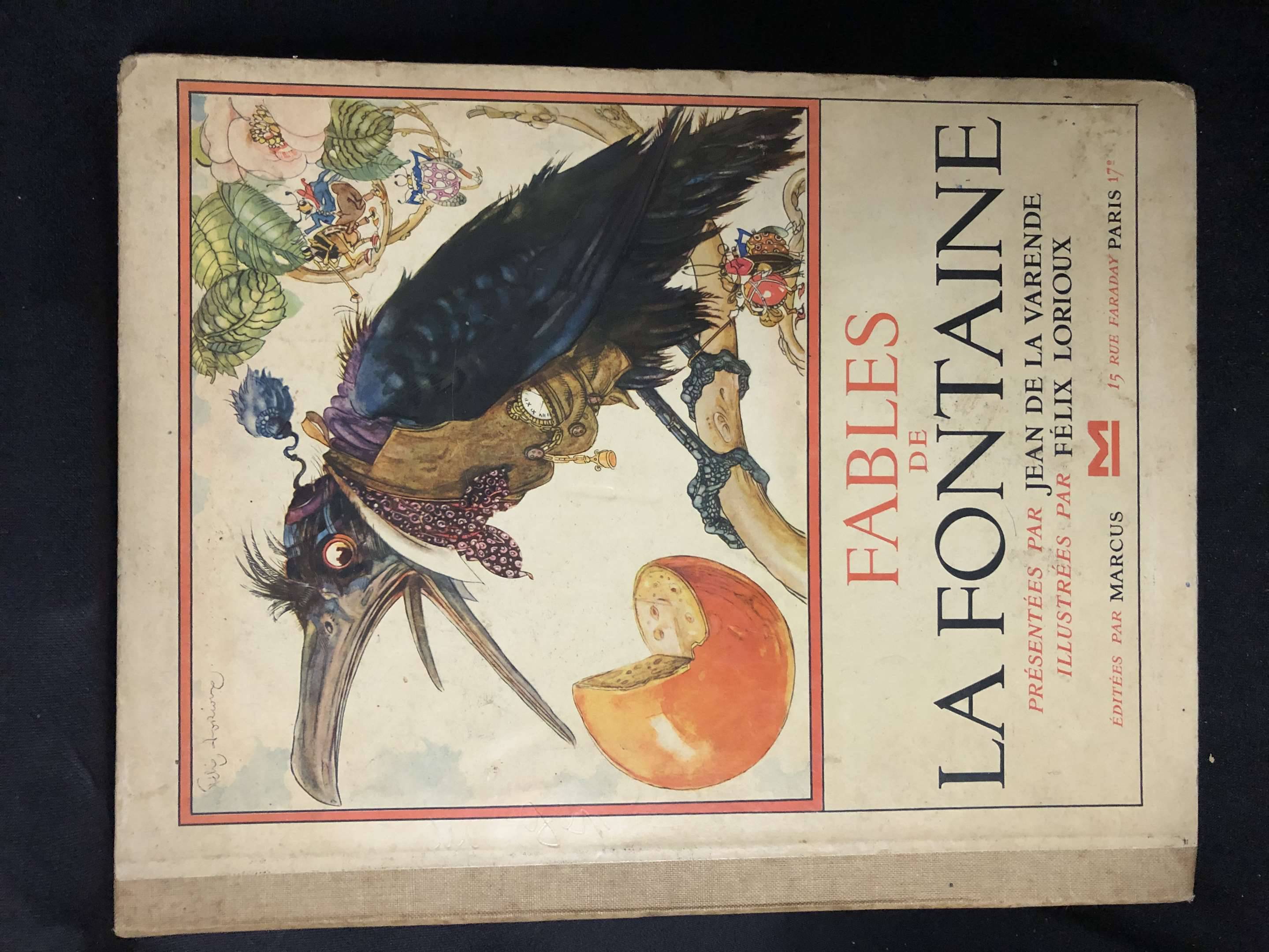
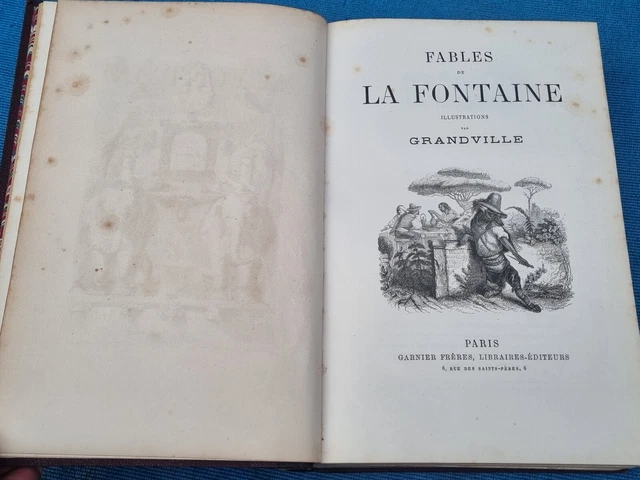
Ah, La Fontaine! Just the name conjures up images, doesn’t it? Think of sun-drenched meadows, clever animals, and maybe a sneaky fox or two. We all know his fables, right? Le Corbeau et le Renard… classics! But have you ever wondered, what else did this literary genius get up to?
It’s easy to think of La Fontaine as just a fabulist. But, mon ami, there’s so much more to discover! He wasn’t just spinning yarns about talking critters, you know. He was a real Renaissance man, even if it was a bit later in the game.
Before the Fables: Early Adventures
Before the Fables made him a household name (or at least a castle hold name!), La Fontaine dabbled in quite a few things. Did you know he initially studied law? Can you imagine the fox arguing in court? Perhaps that’s where he got some of his inspiration! But the legal world just wasn’t for him. The quill called to him, not the gavel.
He started by writing poems. Oh là là, poems of all sorts! Elegies, odes, sonnets… the whole shebang! He was playing with words, finding his voice. These early works, though not as famous as his fables, give us a glimpse into his developing style. They are the seeds from which the fables grew.
And what about his comedies? Oh yes, La Fontaine tried his hand at the stage! Think witty dialogues, social commentary… like a little Molière in training! These plays weren’t always blockbusters, but they show his versatility. He was experimenting, exploring different avenues of expression.
Adonis: A Floral Tale
One of his longer poems, Adonis, is worth a mention. It’s a retelling of the classical myth, all about love, beauty, and tragedy. Think luscious descriptions, heartbroken goddesses… It’s definitely a different side of La Fontaine! A far cry from the simple morality tales of the fables, wouldn’t you say?
The language is rich, the imagery vibrant. You can practically smell the roses blooming in Adonis’s garden. It’s a more romantic, even sensual La Fontaine than we are used to seeing. It demonstrates his command of the French language and his ability to paint vivid pictures with words.
Beyond the Fables: Tales and Novels
Now, let’s talk about his Contes et Nouvelles en vers. Hold on to your hats! These tales are definitely NOT for children. They are… shall we say… a bit risque? Think Boccaccio with a French twist. Witty, sometimes scandalous, and always entertaining, these stories are a far cry from the innocent charm of the fables.
Imagine clever courtiers, secret rendezvous, and plenty of double entendres. These tales are a window into the more libertine side of 17th-century French society. They reveal a La Fontaine who isn’t afraid to be a little naughty, a little irreverent. Are you intrigued yet?
These works were very popular in their time, even if they weren’t exactly considered suitable for polite society. They show La Fontaine’s mastery of verse and his ability to tell a good story, no matter how scandalous. They’re proof that he was more than just a children’s author!
His Connection to Mythology
Throughout his work, La Fontaine showed a clear fondness for classical mythology. He drew inspiration from the ancient Greeks and Romans, incorporating their stories and characters into his own works. Remember Adonis? That’s just one example!
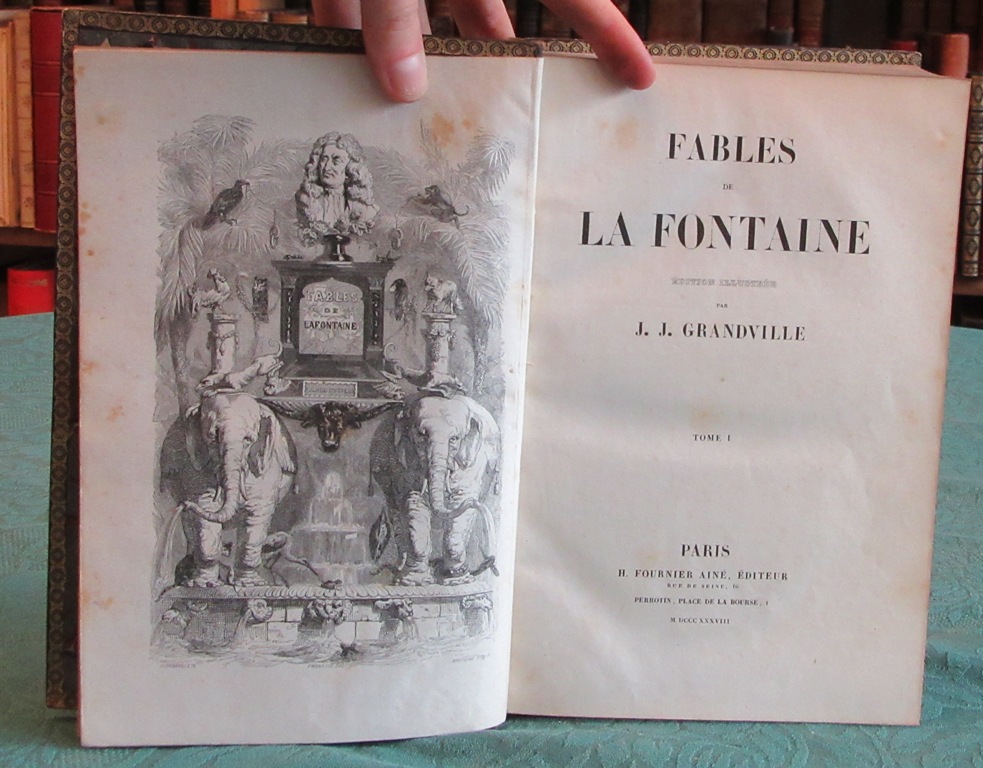
He wasn’t just retelling old tales, though. He was reinterpreting them, giving them a fresh perspective, a French flair. He used mythology as a way to explore universal themes like love, loss, and the human condition. It’s a testament to the enduring power of these ancient stories.
Why Explore Beyond the Fables?
So, why bother digging deeper into La Fontaine’s oeuvre? Why not just stick to the fables? Well, for starters, you’ll gain a much richer understanding of the man himself. You’ll see the breadth of his talent, the depth of his wit, and the complexity of his worldview.
Think of it like this: the fables are the front garden, meticulously manicured and perfectly charming. But behind the house lies a wilder, more untamed garden, full of hidden treasures and unexpected delights. Don’t you want to explore it?
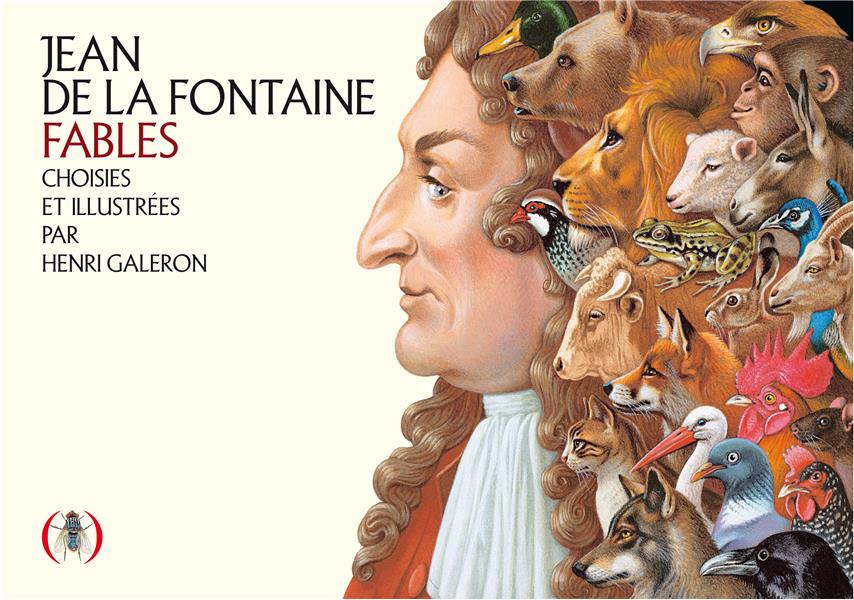
Besides, some of his other works are just plain fun! The Contes et Nouvelles are a guaranteed laugh, even if they might make you blush a little. And his poems… well, they’re simply beautiful. They’re a reminder of the power of words to evoke emotion and transport us to another time and place.
And who knows, maybe you’ll even discover a new favorite! Perhaps you’ll find yourself drawn to the tragic beauty of Adonis, or the mischievous wit of the Contes et Nouvelles. The possibilities are endless!
A Final Thought
La Fontaine’s fables will always hold a special place in our hearts. They are timeless classics that continue to delight and instruct readers of all ages. But don’t let them be the only window into his world. Explore his other works, discover the hidden gems, and you’ll be amazed by the richness and diversity of his literary legacy. So go ahead, dive in! You might just find your new favorite French author. Bonne lecture!