Remember that time you emptied your piggy bank to buy that amazing limited edition comic book? You knew it was an investment! Well, businesses do something similar, but on a slightly larger scale. It’s called l’augmentation de capital, and it’s basically a way for a company to get its hands on some fresh cash. Think of it as refilling the company’s piggy bank! (Except with shares instead of spare change…mostly.) But sometimes, it’s a bit more nuanced than that. Let’s dive in!
Augmentation de Capital: The Basics
Okay, so what exactly is l’augmentation de capital? In simple terms, it’s when a company increases its share capital. This can happen in a few different ways, and understanding those ways is key. We’re not talking rocket science here, but it does require a little bit of… well, focus. (I know, I know, finance stuff can be dry, but stick with me!)
Why Do Companies Need More Capital?
Before we get into the “how,” let’s tackle the “why.” Why would a company need more money? Lots of reasons! Here are a few:
- Expansion: Maybe they want to open a new branch, launch a new product, or conquer a new market. Growth costs money, folks! (Isn’t that always the way?)
- Debt repayment: Sometimes, a company is saddled with debt. Increasing capital can help them pay it off and breathe easier. Think of it as a financial spring cleaning.
- Financing a Merger or Acquisition: Fancy buying another company? That usually needs some serious funds.
- Working Capital: Sometimes, just to keep the lights on! To make sure the everyday operations of the company keeps going.
- Improving the balance sheet: A stronger balance sheet can improve the company’s credit rating, which in turn makes borrowing money easier and cheaper in the future.
See? Lots of legitimate reasons! It’s not always a sign of trouble, although it can be if the company is desperate for cash. That’s why it’s important to do your research if you’re thinking of investing!
How Does Augmentation de Capital Work? The Common Methods
Right, let’s get into the nitty-gritty. There are several ways a company can increase its capital. Here are the most common:

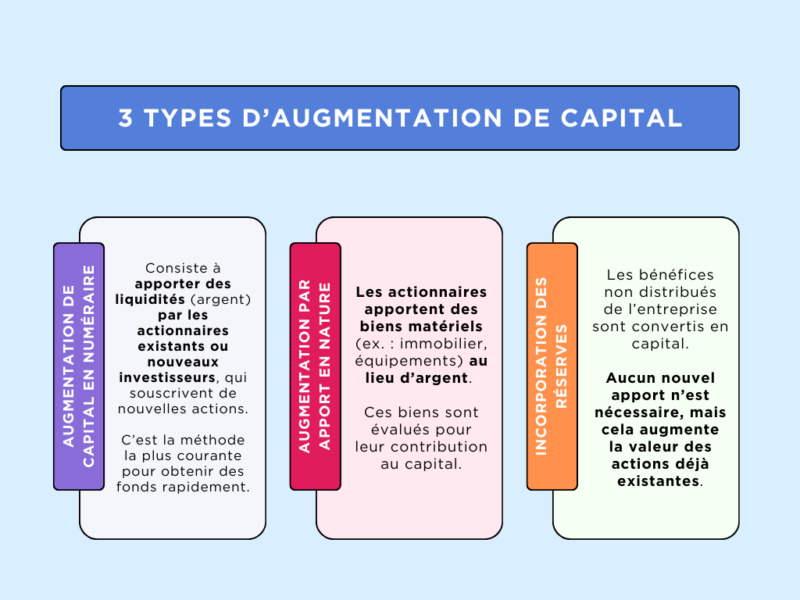
- Issuing New Shares: This is the classic method. The company creates and sells new shares. These can be offered to existing shareholders (with a droit de souscription préférentiel, a pre-emptive right) or to new investors. (That’s YOU, potentially!)
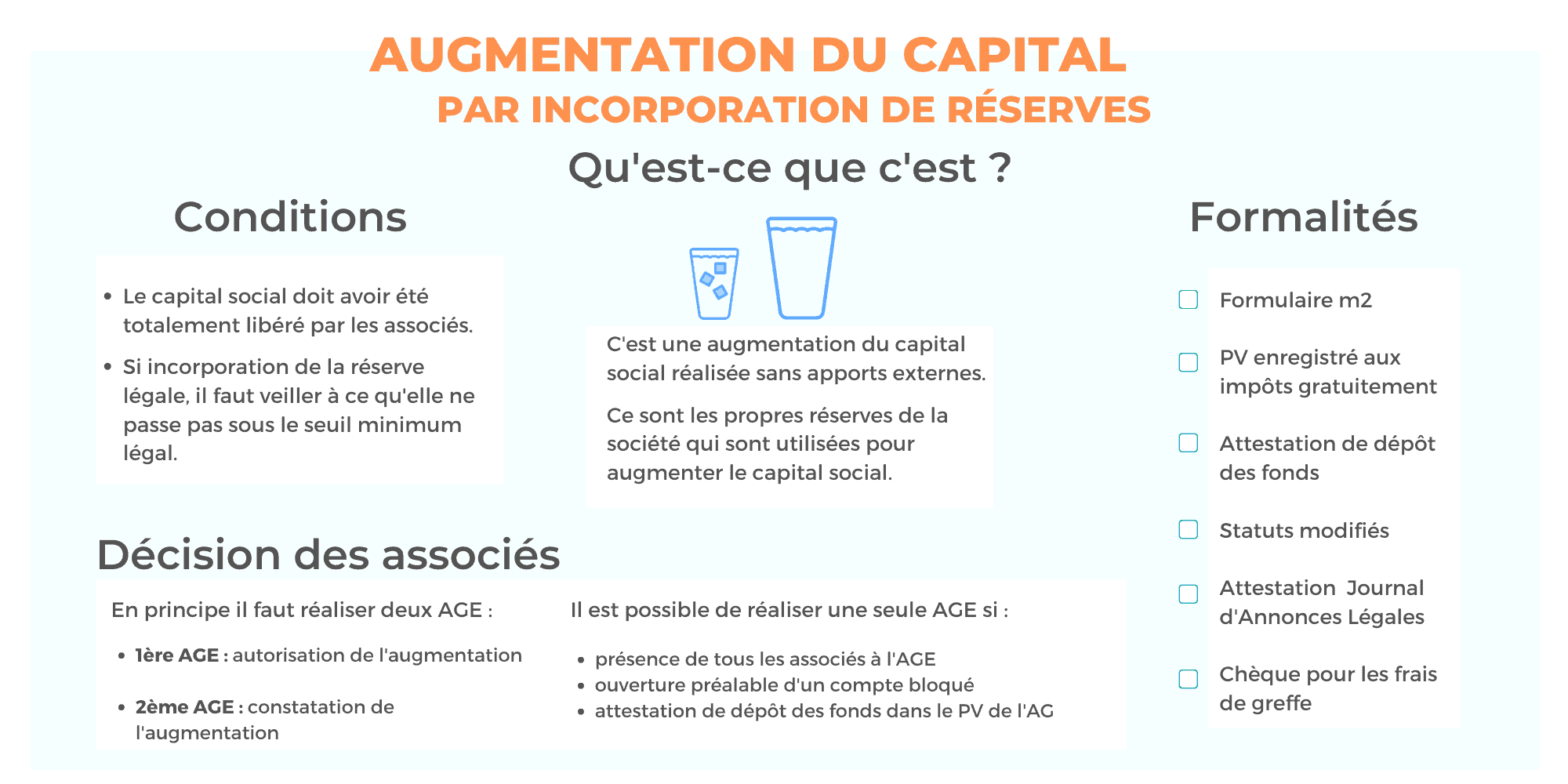
- Capitalization of Reserves: The company converts its reserves (profits it’s kept aside) into share capital. This doesn’t bring in new money directly, but it strengthens the balance sheet. It’s like taking money from one pocket and putting it into another… but in a financially responsible way.
- Conversion of Debt: Debt can be turned into equity (shares). This reduces the company’s debt burden but dilutes existing shareholders’ ownership.
- Incorporation de Compte Courant (Shareholder Current Account Contribution): This one is interesting, and we’ll dedicate a section to it below!
Incorporation de Compte Courant: A Closer Look
Okay, here’s where things get a little more specialized. L’incorporation de compte courant basically means turning money that a shareholder has already lent to the company (via a compte courant d’associé – a shareholder current account) into share capital.
Think of it like this: You lend your friend money to start their business. Later, instead of them paying you back, you say, “Hey, how about I just take some shares in the company instead?” That’s essentially what’s happening here.

What’s a Compte Courant d’Associé Anyway?
Before we go any further, let’s clarify what a compte courant d’associé is. It’s essentially a loan from a shareholder to the company. It’s a relatively common way for shareholders (especially in smaller companies) to provide funding without immediately investing capital.
Key things to remember about comptes courants d’associés:

- They accrue interest: The company typically pays interest to the shareholder on the outstanding balance. (Nice perk!)
- They are repayable: The company is obligated to repay the loan at some point.
- They are often used in smaller companies: It’s a flexible way for shareholders to support the business.
Why Incorporate a Compte Courant into Capital?
So, why would a company incorporate that compte courant into capital? Here are a few reasons:
- Strengthening the balance sheet: Converting debt (the compte courant) into equity improves the company’s financial stability and attractiveness to investors. It reduces the company’s liabilities.
- Avoiding immediate cash outflow: Paying back the compte courant would require the company to have the cash on hand. Incorporating it into capital avoids that immediate cash drain.
- Demonstrating shareholder commitment: It shows that the shareholder is fully committed to the long-term success of the company. They’re basically saying, “I believe in this company so much, I’m willing to convert my loan into shares!”
- Potential tax benefits: In some cases, there might be tax advantages associated with this conversion. (Always worth checking with a tax professional!)
The Process of Incorporation
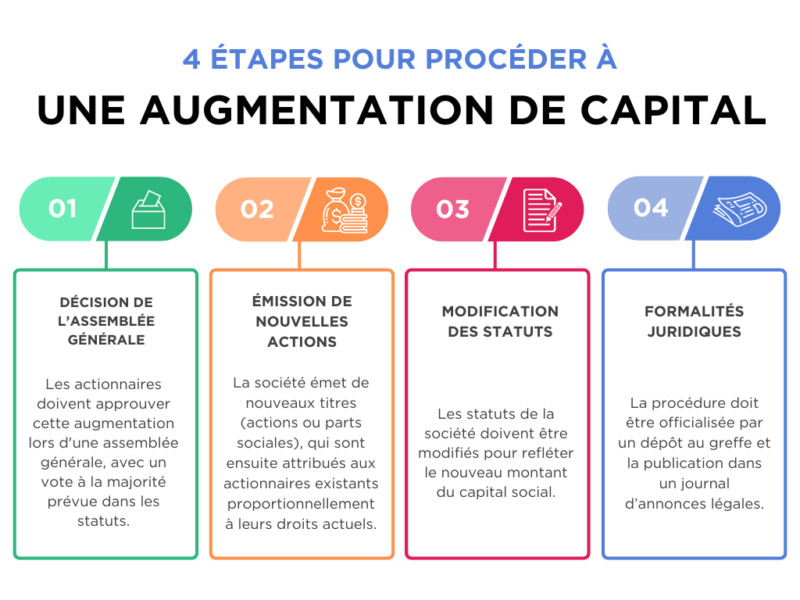
How does this incorporation actually happen? It usually involves the following steps:
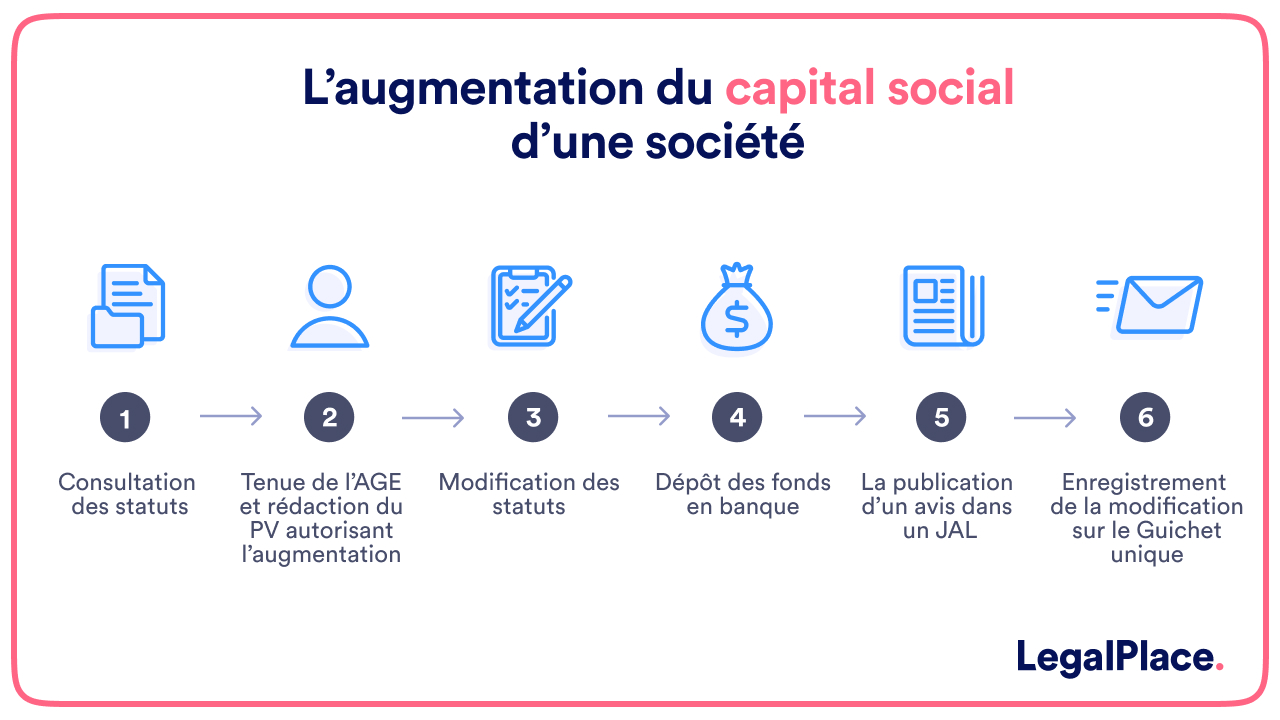
- Shareholder Agreement: The shareholder(s) holding the compte courant must agree to the conversion.
- Company Valuation: The company’s value needs to be assessed to determine the appropriate number of shares to issue in exchange for the compte courant. This is crucial to ensure fairness to all shareholders.
- Extraordinary General Meeting (AGE): A special meeting of the shareholders needs to be held to approve the capital increase. (Lots of paperwork, usually!)
- Amendment of Articles of Association: The company’s governing documents need to be updated to reflect the new share capital.
- Legal Formalities: The changes need to be registered with the relevant authorities.
Risks and Considerations
Of course, nothing in the world of finance is ever without risks. Here are some things to keep in mind when considering an augmentation de capital (especially incorporation de compte courant):
- Dilution of Existing Shareholders: When new shares are issued, existing shareholders’ ownership percentage is reduced. This is known as dilution. This can be a concern if you’re a shareholder!
- Valuation Issues: Accurately valuing the company is crucial. An undervalued company might issue too many shares, while an overvalued company might issue too few.
- Potential Tax Implications: As mentioned earlier, there might be tax benefits, but there could also be tax liabilities. It’s always best to consult with a tax advisor.
- Complexity: The process can be complex and time-consuming. It’s often best to seek professional advice.
- Impact on Control: Depending on the number of new shares issued, control of the company can shift.
In Conclusion
L’augmentation de capital, including the specific case of incorporation de compte courant, can be a powerful tool for companies to raise capital and strengthen their financial position. However, it’s crucial to understand the different methods, the potential risks, and the legal and tax implications involved. And remember, if you’re considering investing in a company that’s planning a capital increase, do your homework! Read the fine print, understand the company’s reasons for needing more capital, and don’t be afraid to ask questions.
Think of it like buying that limited edition comic book. You did your research, you knew it was a good investment (or at least hoped it was!), and you weren’t afraid to empty your piggy bank a little. Investing in a company undergoing a augmentation de capital requires the same level of due diligence… just with a lot more zeros involved! Good luck and happy investing! (And maybe keep that comic book safe – it might be worth something someday!)

.png?width=2500&height=1488&name=Thème 3 (1).png)