Okay, picture this: I’m at a super chic café in Paris, right? Sipping my (overpriced, let’s be honest) café au lait, and eavesdropping (as you do) on the conversation at the next table. Two designers, clearly agitated. Apparently, one of them had designed a killer logo for a new brand, only to discover weeks later that someone else was using something suspiciously similar. Cue dramatic sighs, talk of legal action, and general Parisian angst. That, my friends, is where Article L711-1 du Code de la Propriété Intellectuelle comes in. It’s basically the superhero (or maybe the slightly grumpy but effective bureaucrat) that comes to the rescue when your precious brand is under attack.
What Exactly IS Article L711-1? (And Why Should You Care?)
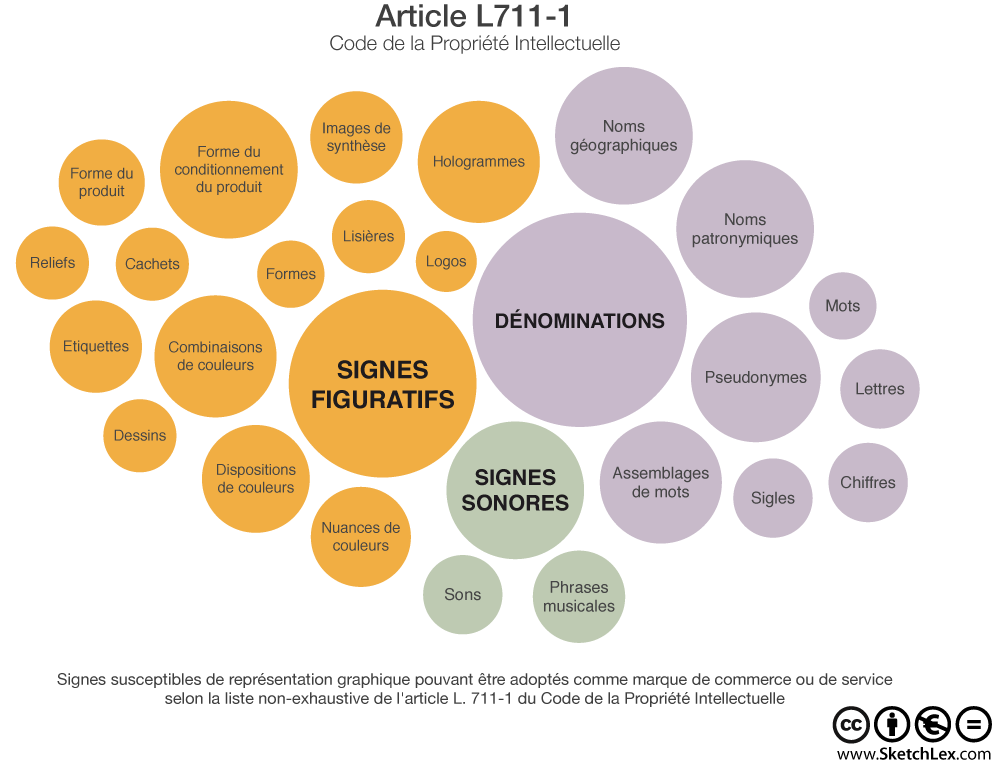
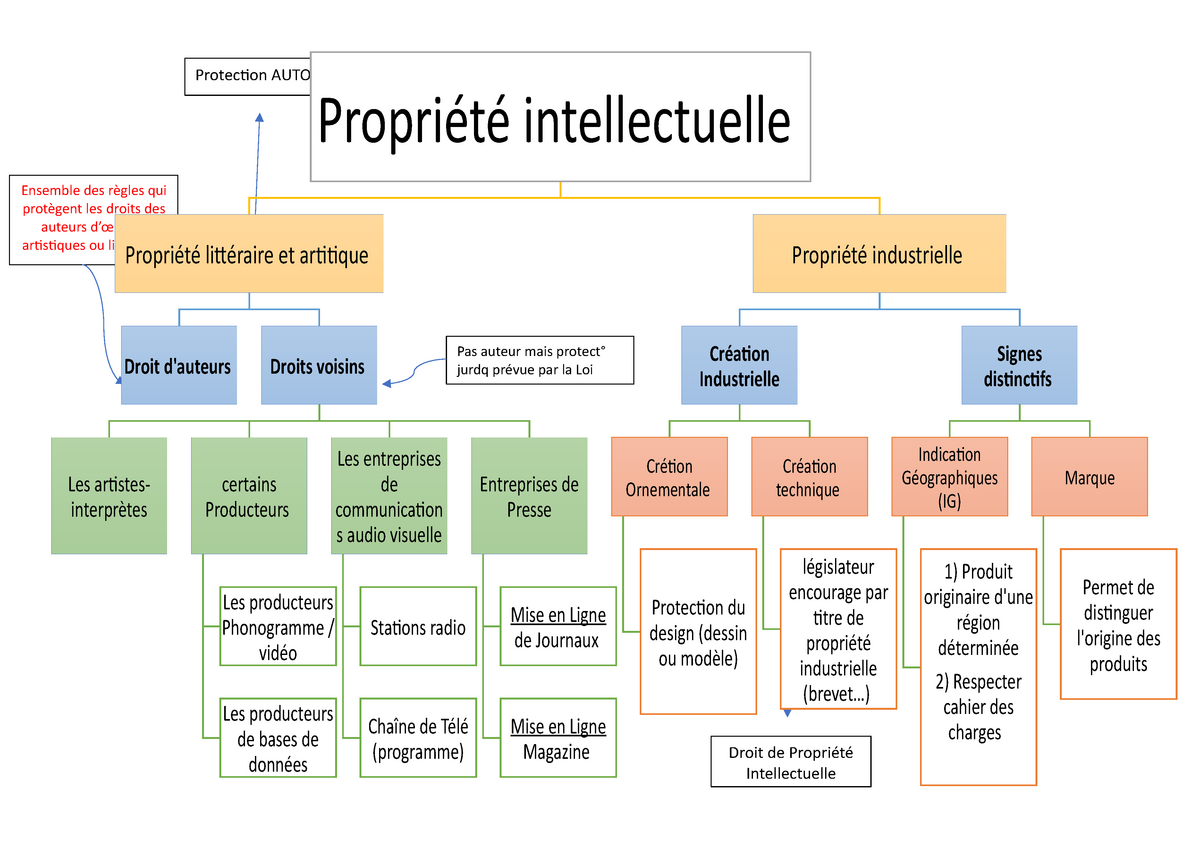
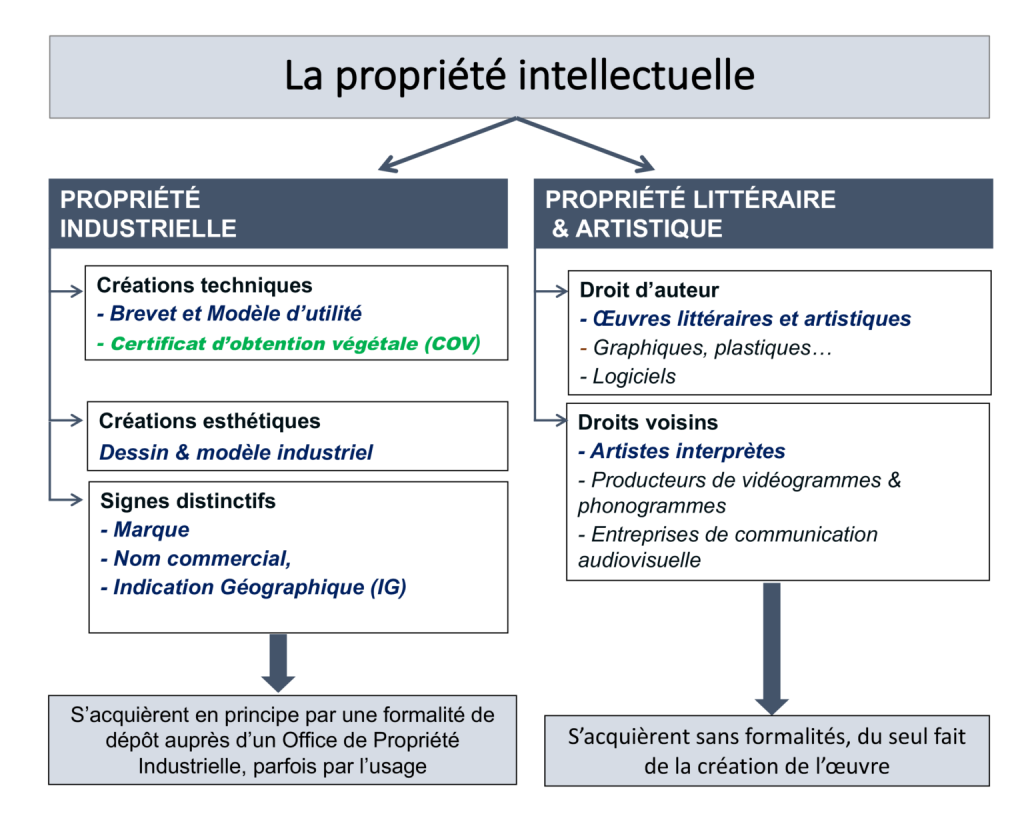
So, what is this magical piece of legislation? Simply put, Article L711-1 defines what a trademark is, and more importantly, what makes a trademark invalid. Think of it as the foundation upon which your entire brand protection rests. If your trademark falls foul of this article, well, you’re in trouble. Big trouble.
Basically, it says a trademark can’t be registered if it:
- Lacks Distinctiveness: This is huge! A trademark has to be able to distinguish your goods or services from those of others. If it’s too generic, too descriptive, or just plain boring, it’s a no-go. Think trying to trademark “Delicious Apple” for apples. Good luck with that. (Spoiler alert: you won’t succeed.)
- Is Descriptive: Can’t describe your product’s characteristics or qualities too directly. “Super-Soft Toilet Paper” for toilet paper? Again, rejected! You need to be a little more creative, a little more…je ne sais quoi.
- Is Deceptive: Can’t mislead the public about the nature, quality, or origin of your goods/services. Claiming your imitation leather shoes are “genuine Italian leather”? That’s a big no-no. And rightfully so!
- Conflicts with Prior Rights: This is where things get really interesting (and sometimes really messy). If your trademark is identical or similar to an already existing trademark for similar goods/services, and there’s a likelihood of confusion, you’re out of luck. Someone already thought of it!
- Violates Public Order or Morality: This one’s pretty self-explanatory. Trademarks that are offensive, scandalous, or otherwise violate societal norms won’t be allowed. Think really hard before naming your product “Kitten Kicker 5000”. Just…don’t.
- Consists Exclusively of a Shape Dictated by the Nature of the Good Itself: You can’t trademark the shape of something if that shape is essential to its function. Think about a brick. You can’t trademark the rectangular shape of a brick. It’s just…a brick shape.
See? It’s a lot, but it’s all about making sure the playing field is fair and preventing consumer confusion. Imagine if everyone could trademark basic descriptive terms – the marketplace would be an absolute nightmare!
Distinctiveness: The Holy Grail of Trademarks
Let’s drill down into that “distinctiveness” thing, because it’s really the heart of Article L711-1. It’s not enough for your trademark to be original (though that helps). It has to be distinctive in the eyes of the consumer. This means it needs to stand out, to be memorable, to be something that makes people think of your brand and your products/services.
There are different levels of distinctiveness, ranging from the…well, let’s be polite and say “challenging” to the rock-solid:
- Generic Terms: As we’ve discussed, these are a complete no-go. “Chair” for chairs? Forget about it.
- Descriptive Terms: These are tough, but sometimes you can get away with it if you can prove secondary meaning. This means that over time, consumers have come to associate the descriptive term with your brand specifically. Think “Vision Express” for opticians. It’s descriptive, but it’s become a well-known brand.
- Suggestive Terms: These are a bit better. They hint at the nature of your product/service, but don’t describe it directly. “Jaguar” for cars is a classic example. It suggests speed and power, but it’s not literally describing the car.
- Arbitrary Terms: These are good! Using a word that has no connection to your product/service. “Apple” for computers? Brilliant! (Well, it worked for them, anyway.)
- Fanciful Terms: These are the gold standard. Made-up words that have no prior meaning. “Kodak”? Genius! These are the easiest to protect because they’re inherently distinctive.
So, when brainstorming trademark ideas, aim for the arbitrary or fanciful. The more unique, the better!
Prior Rights: The Trademark Minefield
Okay, let’s talk about prior rights. This is where things can get tricky. Even if your trademark is perfectly distinctive, you’re not out of the woods yet. You need to make sure that someone else hasn’t already registered a similar trademark for similar goods/services. This is where a thorough trademark search is absolutely essential. Don’t skip this step! I repeat: DO NOT SKIP THIS STEP!
Imagine pouring your heart and soul into building your brand, only to receive a cease and desist letter from a company that registered a similar trademark years ago. Nightmare scenario, right? Trust me, I’ve seen it happen. It’s costly, stressful, and can seriously damage your business.
The key here is “likelihood of confusion.” Would the average consumer be confused between your brand and the pre-existing brand? Would they think your products/services are related? If the answer is yes, you’re in trouble. Factors that are considered include:
- Similarity of the marks: How similar do they look, sound, and mean?
- Similarity of the goods/services: Are they directly competitive, or are they in related fields?
- Sophistication of the consumer: Are they likely to be more discerning (e.g., luxury goods) or less so (e.g., everyday items)?
- Strength of the prior mark: Is it a well-known brand, or a relatively obscure one?
So, before you even think about filing a trademark application, hire a professional to conduct a comprehensive trademark search. It’s an investment that will save you a lot of headaches (and potentially a lot of money) down the line.
What Happens If You Violate Article L711-1?
So, what are the consequences if your trademark violates Article L711-1? Well, the worst-case scenario is that your trademark application will be rejected. But even if it’s been registered, someone can challenge its validity. This could lead to:
- Opposition Proceedings: Someone can oppose your trademark application before it’s registered.
- Invalidity Proceedings: Someone can challenge the validity of your trademark after it’s been registered.
- Infringement Lawsuit: If you’re using a trademark that infringes on someone else’s rights, they can sue you for damages and an injunction (meaning you have to stop using the trademark).
None of these are fun. Trust me. They can be expensive, time-consuming, and emotionally draining. The best way to avoid them is to do your homework up front and make sure your trademark is solid.
In Conclusion: Be Smart, Be Distinctive, Be Protected!
Article L711-1 du Code de la Propriété Intellectuelle might sound like a dry legal document (and let’s be honest, it kind of is!), but it’s the bedrock of trademark law in France. Understanding its principles is crucial for anyone who wants to build a strong and protectable brand.
So, remember to:
- Choose a distinctive trademark. Think outside the box!
- Conduct a thorough trademark search. Don’t skip this step! (Seriously, don’t!)
- Consult with a trademark attorney. They can help you navigate the legal complexities and ensure your trademark is properly protected.
And most importantly, good luck! Building a brand is hard work, but with a little knowledge and a lot of creativity, you can create something truly special – and protect it from those pesky copycats. Now, if you’ll excuse me, I’m off to brainstorm some new, totally distinctive trademark ideas…maybe involving unicorns and croissants. Stay tuned!


.jpg)