Hey there, finance aficionados and curious cats! Ever wondered how companies sometimes seem to magically morph, combine, or even… swallow each other? Well, buckle up, because today we’re diving into a fascinating, albeit slightly intimidating, concept called “Apport de Titres par une Société à une Autre Société.” Sounds fancy, right? Don’t worry, we’ll break it down like a croissant – layer by delicious layer.
Think of it like this: imagine you’re a chef, and you own a killer recipe for, say, the world’s best chocolate cake. You also own a little bakery. Now, another, bigger bakery, really wants that recipe, and maybe even your bakery itself! One way to get it isn’t necessarily buying you out in cash. Instead, they might offer you shares in their larger company in exchange for your chocolate cake recipe and maybe even the assets of your bakery. That, in essence, is an “Apport de Titres.” One company contributes shares (titres) to another!
So, What Exactly Is “Apport de Titres”?
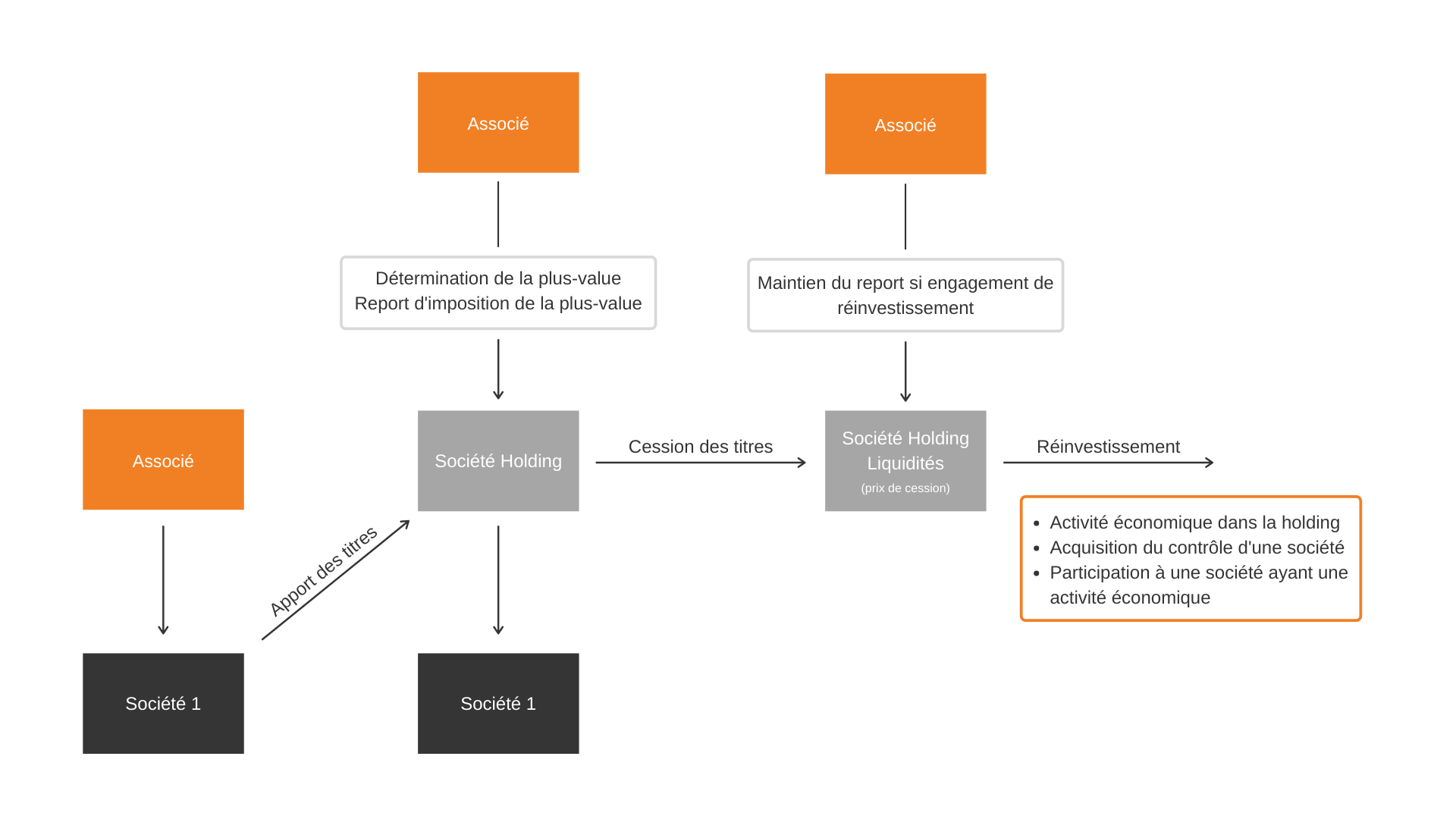
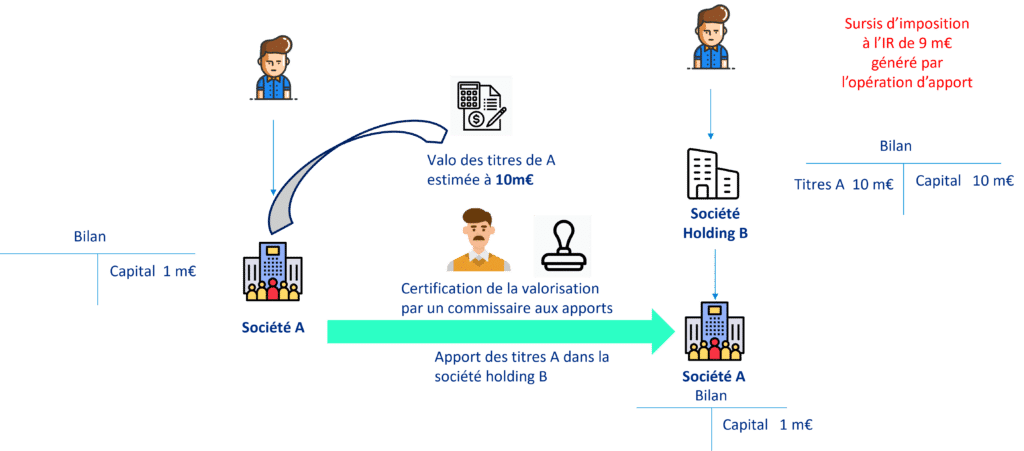
Okay, let’s get a slightly more formal definition. In the business world, an “Apport de Titres” (contribution of shares) is a specific type of corporate restructuring where one company (let’s call it Company A) contributes its shares in another company (Company B) to a third company (Company C). Company C, in exchange, issues its own shares to Company A’s shareholders.
Confused? Don’t be! Think of it like this:
- Company A owns shares in Company B.
- Company A wants to essentially transfer its ownership (the shares) to Company C.
- In return, the shareholders of Company A receive shares in Company C.
Why do companies do this? Good question! Let’s explore some motivations.

Why Bother With All This Share-Swapping?
There are several reasons why a company might choose an “Apport de Titres.” It’s not just some random corporate game of musical chairs! Here are a few key drivers:
Simplifying Group Structures
Sometimes, large corporate groups can become incredibly complex. With numerous subsidiaries and layers of ownership, things can get messy. An “Apport de Titres” can help streamline the structure by consolidating ownership under a single entity. Think of it as Marie Kondo-ing your company’s organizational chart!
Facilitating Mergers and Acquisitions
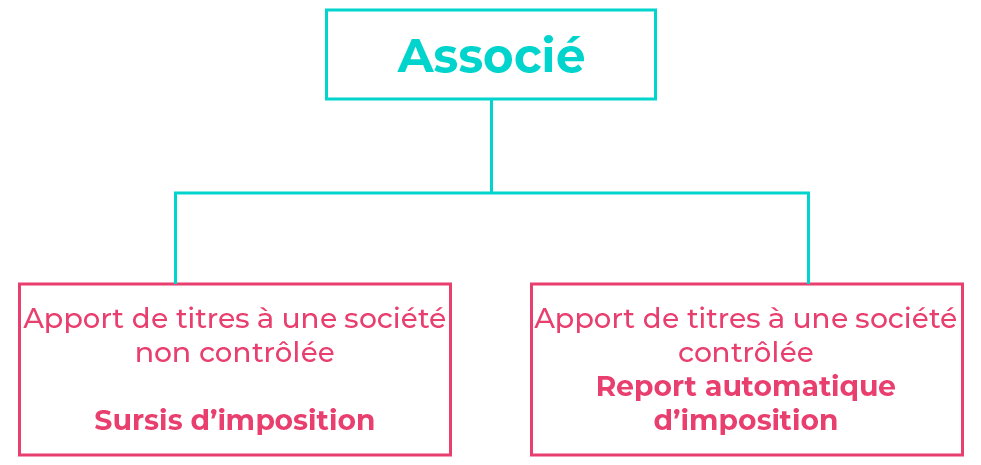
This is a big one. An “Apport de Titres” can be a crucial step in a merger or acquisition (M&A). It can allow one company to gain control of another in a more tax-efficient way than a straight-up cash purchase. It’s like using a clever shortcut on a complicated road trip.
Tax Benefits
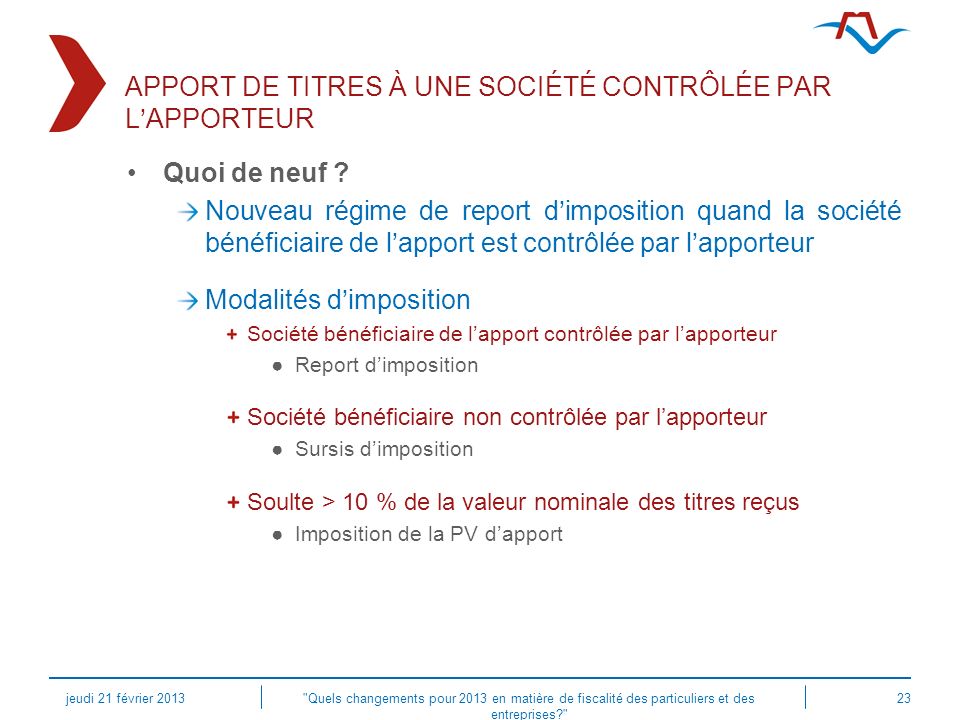
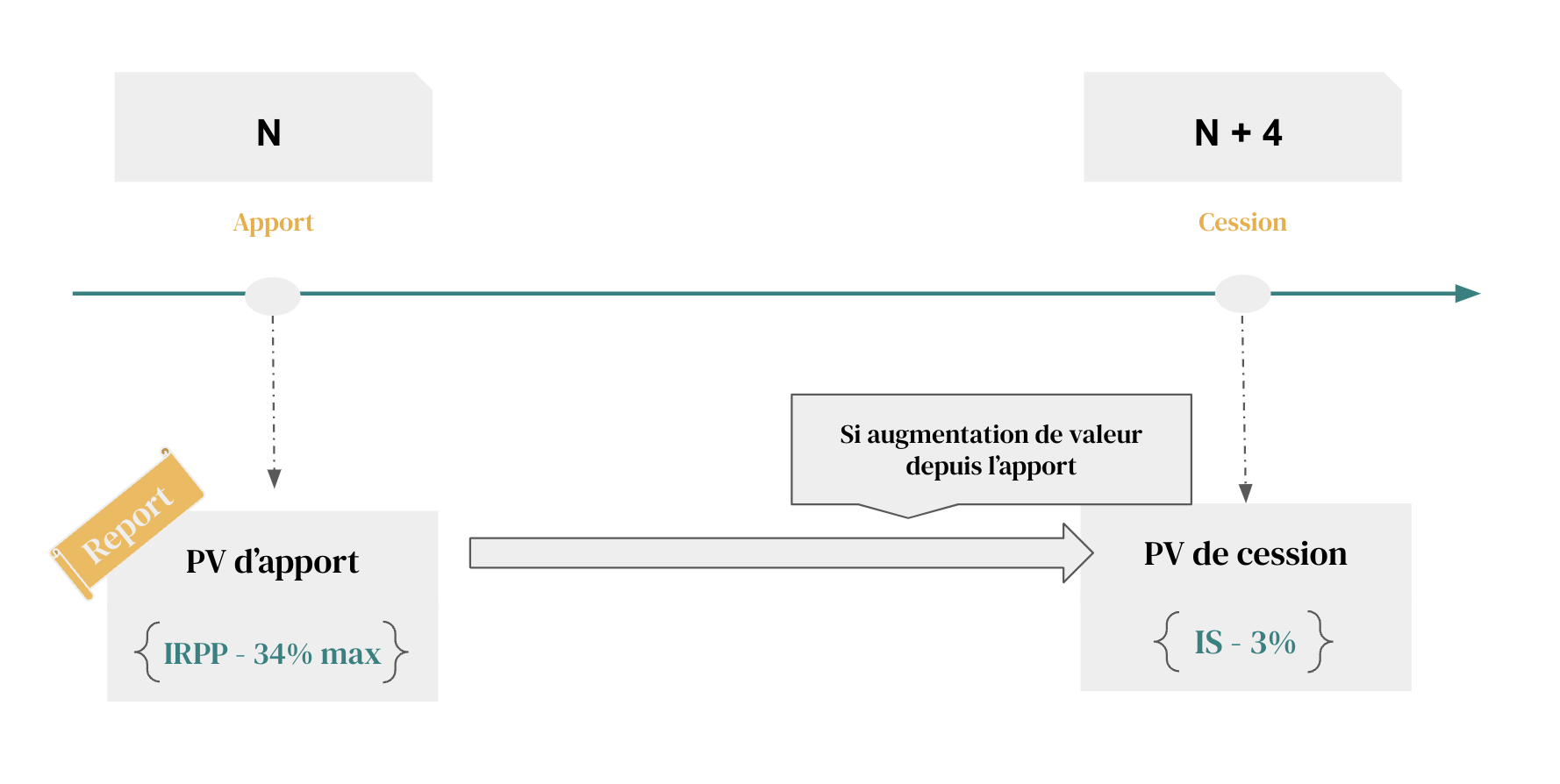
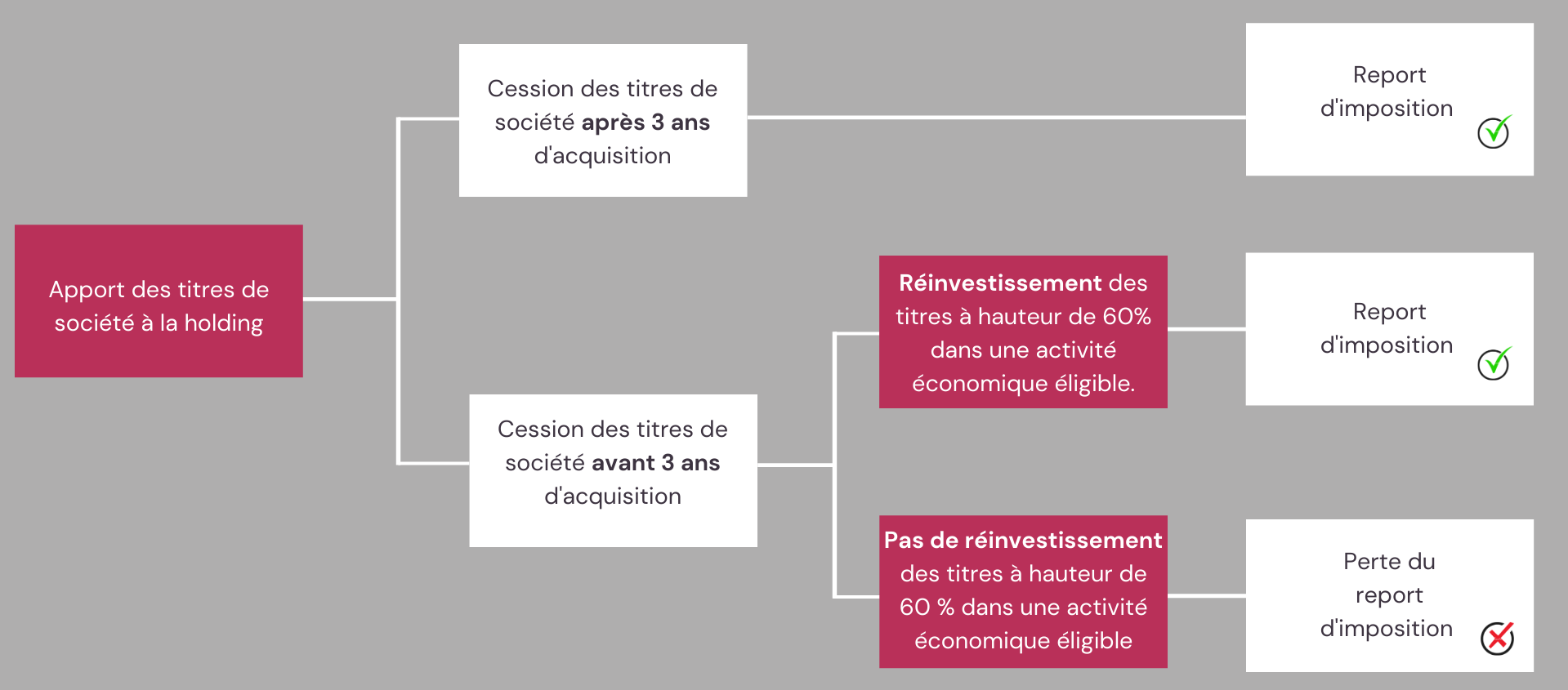
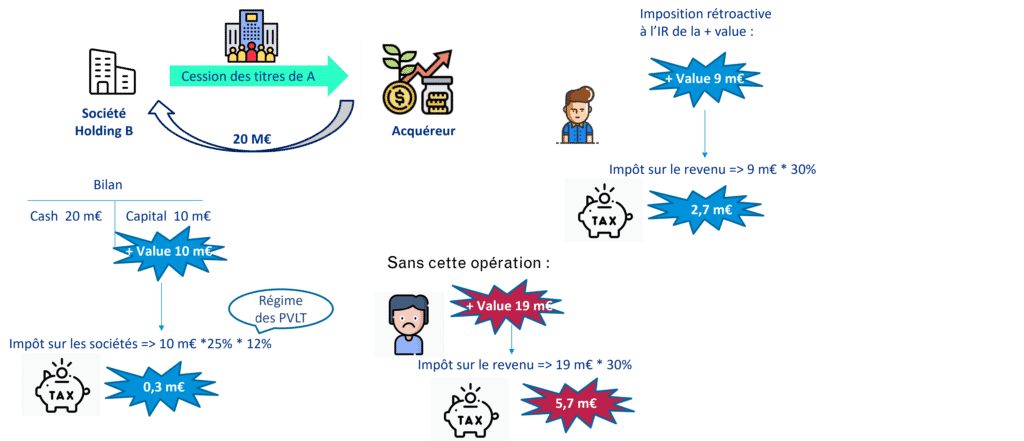
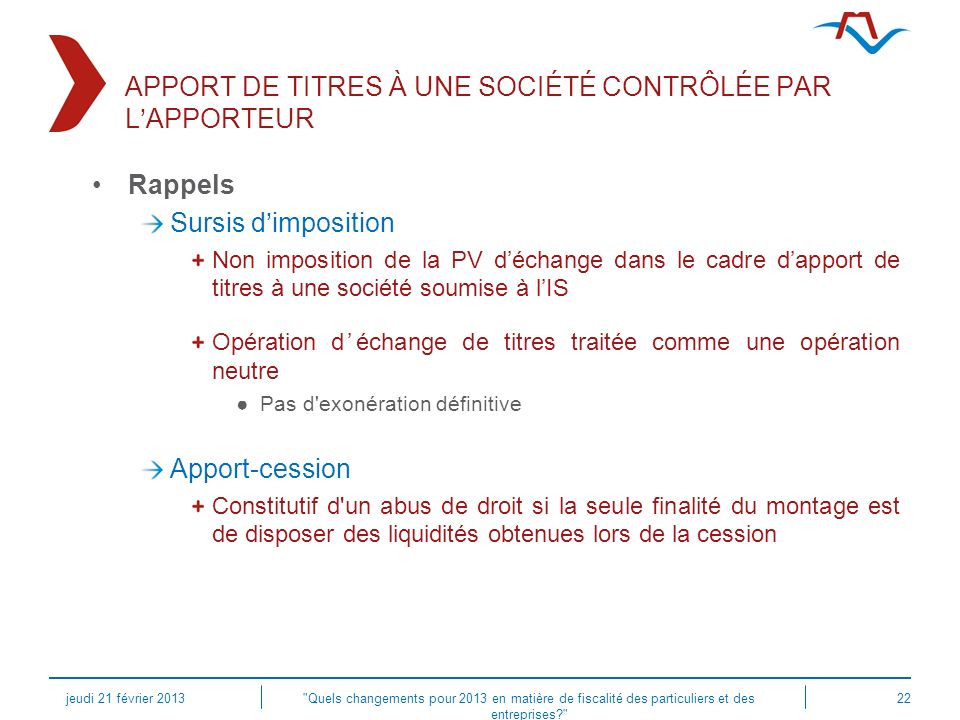
Speaking of tax efficiency, “Apport de Titres” can offer some significant tax advantages. In many jurisdictions, these transactions can be structured to defer capital gains taxes. This means the company doesn’t have to pay tax on the increase in value of the shares until they’re eventually sold. Huge win!
Increased Financial Flexibility
By issuing shares instead of using cash, Company C can preserve its cash reserves. This can be particularly important if the company wants to invest in growth opportunities or weather unexpected economic storms. Imagine having a rainy day fund that you don’t have to dip into immediately!
The Cool Part: The Mechanics
So, how does this whole process actually work? Well, here’s a simplified overview:
- Valuation: First, the shares of Company B being contributed and the shares of Company C being issued need to be carefully valued. This is crucial to ensure a fair exchange for everyone involved. Think of it like getting your house appraised before selling it – you want to know what it’s worth!
- Shareholder Approval: Usually, the shareholders of Company A need to approve the “Apport de Titres.” This is because they’re essentially giving up their indirect ownership in Company B in exchange for shares in Company C. It’s like asking for their permission to move the furniture around in their living room.
- Documentation: A detailed legal agreement outlines the terms and conditions of the transaction. This agreement will cover everything from the valuation of the shares to the tax implications.
- Regulatory Approvals: Depending on the size and nature of the transaction, regulatory approvals might be required. This could include approvals from antitrust authorities or securities regulators. It’s like getting a building permit before starting a major renovation.
- Share Exchange: Finally, the shares are exchanged! The shareholders of Company A receive shares in Company C, and Company C becomes the owner of Company A’s shares in Company B. The deal is done!
Potential Pitfalls and Considerations
Of course, like any complex transaction, “Apport de Titres” isn’t without its potential challenges. Here are a few things to keep in mind:
- Valuation Accuracy: Getting the valuation wrong can lead to unfair outcomes for shareholders. Overvaluing or undervaluing the shares can create disputes and legal challenges.
- Tax Implications: While “Apport de Titres” can offer tax benefits, it’s crucial to understand the specific tax rules in the relevant jurisdictions. Poor tax planning can negate any potential advantages.
- Shareholder Dissent: Not all shareholders may be happy with the transaction. Dissenting shareholders may have the right to appraisal remedies, allowing them to receive fair value for their shares.
- Regulatory Scrutiny: Antitrust authorities may scrutinize “Apport de Titres” to ensure they don’t create monopolies or harm competition.
“Apport de Titres” in Action: Real-World Examples
While I can’t divulge specific confidential transactions (sorry!), imagine a smaller tech company (Company A) specializing in AI being acquired by a larger, more established tech giant (Company C). Company A’s main asset is its shares in another promising startup (Company B) developing cutting-edge cybersecurity solutions. Instead of simply buying Company A for cash, Company C offers Company A’s shareholders shares in Company C itself, essentially absorbing Company A’s AI expertise and indirectly gaining access to the cybersecurity startup through Company B.
Or consider a family-owned conglomerate (Company A) holding stakes in various businesses (Company B – steel manufacturer). They decide to simplify their structure by contributing all their shares of the steel manufacturer into a publicly traded holding company (Company C). This allows the family to diversify their wealth and access the capital markets more easily.
Is “Apport de Titres” Right for Your Company?
That’s the million-dollar question! The answer depends on a variety of factors, including your company’s specific circumstances, its strategic goals, and its tax situation. An “Apport de Titres” can be a powerful tool for achieving various objectives, but it’s essential to carefully weigh the pros and cons before proceeding. Consulting with experienced legal and financial advisors is always a wise move. They can help you navigate the complexities of the transaction and ensure that it aligns with your overall business strategy.
So, there you have it! A (hopefully) not-too-intimidating introduction to the world of “Apport de Titres.” It’s a complex concept, but hopefully, this breakdown has shed some light on its purpose, mechanics, and potential benefits. Remember, the world of corporate finance is full of fascinating strategies, and “Apport de Titres” is just one of them! Keep exploring, keep learning, and keep asking questions!