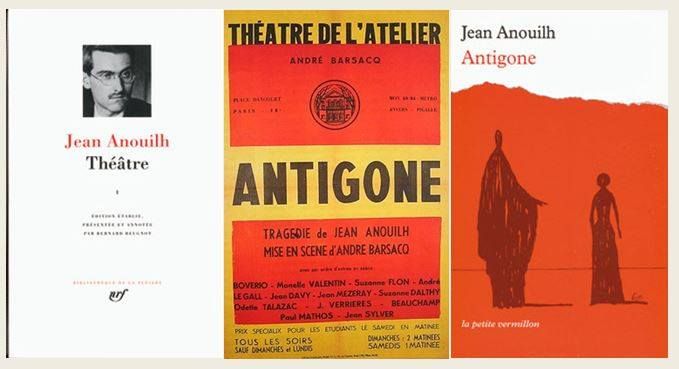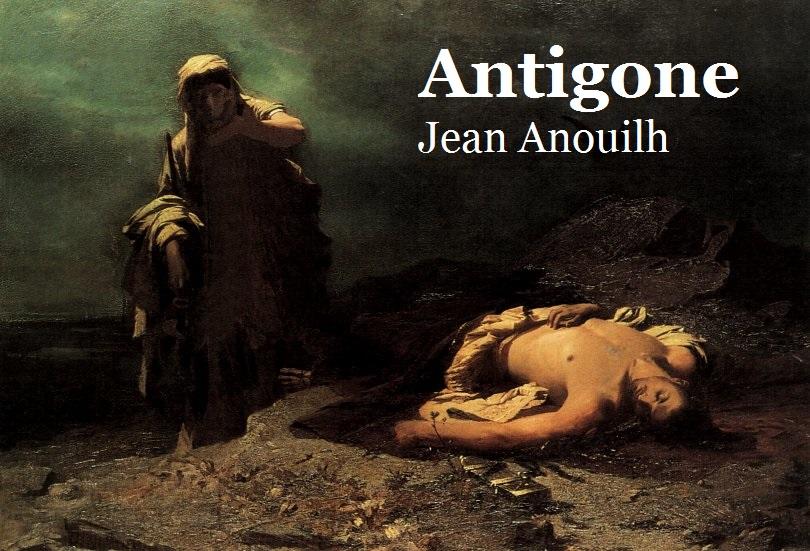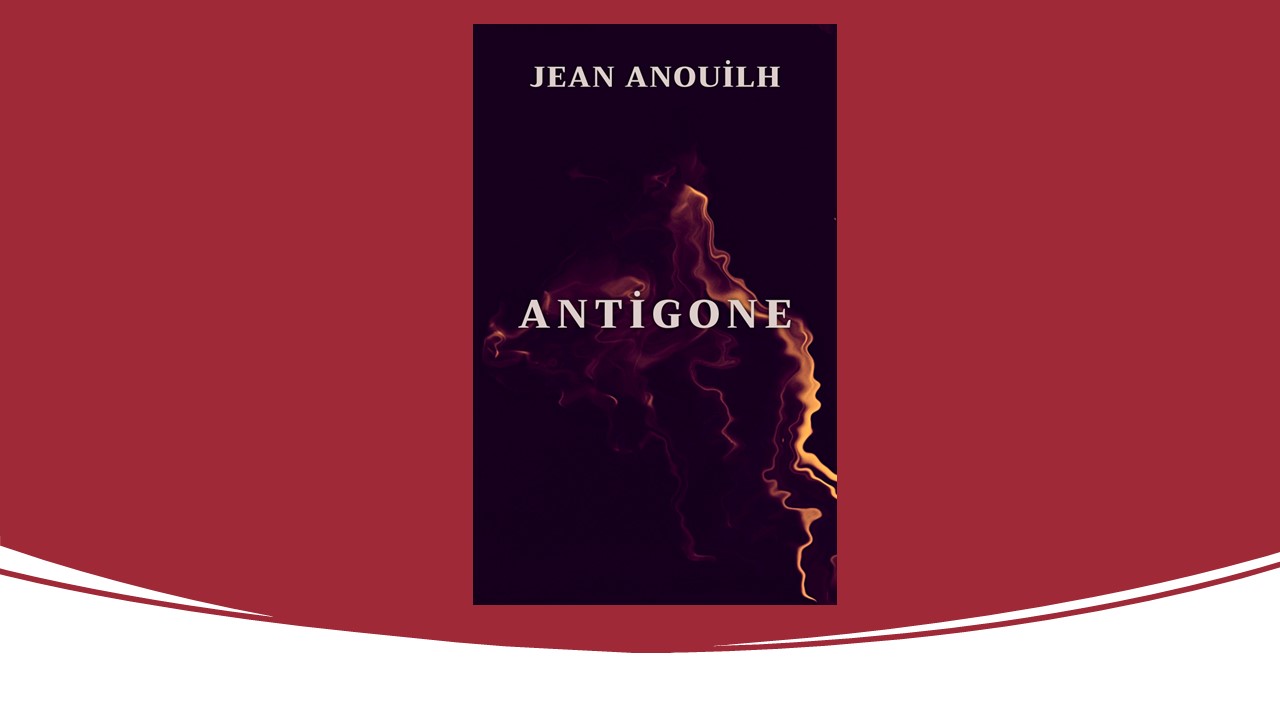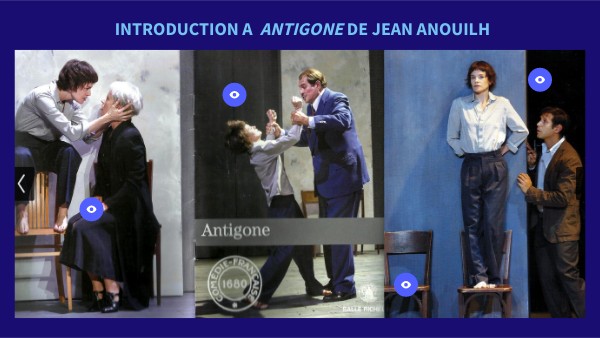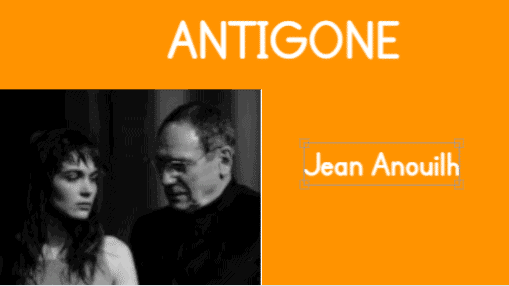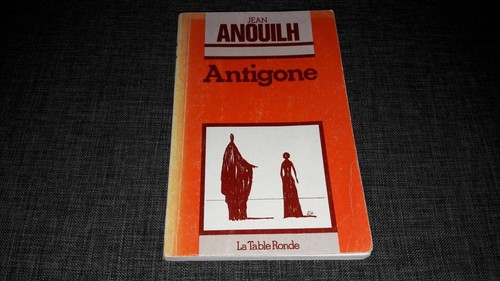
Okay, so picture this: me, freshman year of university, completely drowning in required reading. One of those books? Antigone by Jean Anouilh. At first, I was like, “Ugh, another Greek tragedy? Seriously?” But then, BAM! Antigone, this tiny, stubborn girl, just blew my mind. I mean, disobeying a king? For principles? Who does that?! Especially when the consequences are, you know, death.
It got me thinking… We’re always told to follow the rules, right? To respect authority. But what happens when those rules are just… wrong? That’s the core of Anouilh’s Antigone, especially in the edition published by La Table Ronde. It’s not just some dusty old play, it’s a timeless question about individual conscience versus state power. And honestly, that’s a question that feels pretty relevant today, don’t you think?
Anouilh’s Antigone: Not Your Grandma’s Greek Tragedy
Now, before you start picturing dudes in togas spouting lofty pronouncements, let’s clarify: Anouilh’s Antigone is a very specific kind of tragedy. He wrote it during the Occupation of France in World War II. Let that sink in for a moment. This wasn’t just a retelling of Sophocles’ story; it was a commentary on resistance, on the struggle against an unjust regime. It’s no accident that Antigone, in her defiance, became a symbol of the French Resistance. Think about that context – it changes everything.
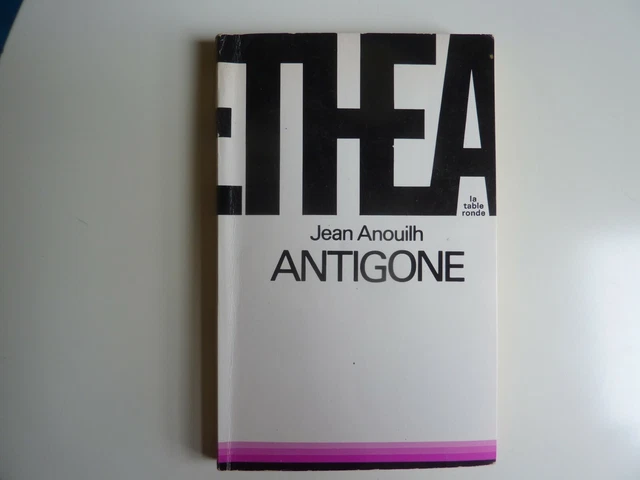
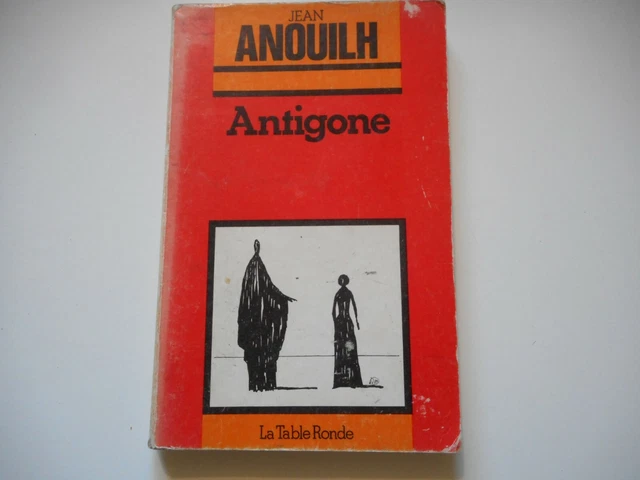
The La Table Ronde edition is particularly interesting because it often includes critical essays and prefaces that delve into the historical context and Anouilh’s intentions. (Seriously, if you ever get your hands on one, read the introduction! It’s like a little history lesson and literary analysis all rolled into one.) It helps you understand that Antigone isn’t just about some ancient conflict; it’s about the choices we make when faced with oppression, any oppression.
Key Differences: Sophocles vs. Anouilh
Just to be clear, Anouilh’s Antigone isn’t a simple translation of Sophocles. He took the original story and twisted it, reshaped it, gave it a whole new layer of meaning. Here are a few key differences:

- The Language: Anouilh uses a more modern, accessible language than you’d find in a literal translation of Sophocles. It’s almost conversational, making the characters feel more real, more relatable. (Less “thee” and “thou,” more “what’s up with this garbage?”).
- Creon’s Motivation: In Sophocles, Creon is often portrayed as a tragic figure, driven by a genuine belief in the laws of the state. In Anouilh, Creon is much more cynical. He’s tired, world-weary, and recognizes the absurdity of his position, but feels compelled to maintain order. This makes him a much more complex and arguably more realistic character.
- Antigone’s Defiance: While both Antigones defy Creon, Anouilh’s Antigone is driven by a more visceral, almost instinctive sense of justice. She doesn’t necessarily have a grand plan or a sophisticated political ideology. She just knows that what Creon is doing is wrong, and she can’t stand by and let it happen. This raw, uncompromising defiance is what makes her such a powerful figure.
- The Ending: The overall tone is different, with Anouilh’s version often leaning toward a more nihilistic outlook. The play emphasizes the futility of rebellion against a powerful, indifferent state. It’s not necessarily uplifting, but it’s definitely thought-provoking.
Why La Table Ronde Matters
Okay, so why is the La Table Ronde edition so important? Well, La Table Ronde was a publishing house founded during the Occupation. (See the connection forming?) They published works that explored themes of freedom, resistance, and the individual conscience. Publishing Anouilh’s Antigone was a pretty bold move, and it solidified the play’s reputation as a work of political resistance. Plus, as mentioned earlier, these editions often include really insightful essays and analyses that help you understand the play on a deeper level.
These additional texts usually discuss:
- The historical context of the play: How the Occupation shaped Anouilh’s writing and the play’s reception.
- The philosophical themes of the play: Exploring the concepts of justice, freedom, and the individual’s responsibility to resist oppression.
- Anouilh’s theatrical choices: How he adapted the original Greek tragedy for a modern audience.
- The symbolism of the characters and events: Decoding the deeper meanings behind Antigone’s actions and Creon’s decisions.
Antigone: A Timeless Dilemma
Ultimately, Anouilh’s Antigone, particularly in the La Table Ronde edition, isn’t just a play about a girl who defies a king. It’s a play about the choices we make when faced with injustice. It’s about the conflict between personal conscience and the demands of the state. It’s about the courage it takes to stand up for what you believe in, even when the odds are stacked against you.
Think about it: how many times have you been in a situation where you knew something was wrong, but you were afraid to speak up? Maybe it was at work, maybe it was in your personal life. Antigone challenges us to confront those moments and ask ourselves what we’re willing to risk for our principles. And while she obviously makes a very dramatic, almost fatal, choice, we have to admire her conviction, right?
Food for Thought: Questions to Ponder
Here are a few questions to consider after reading (or re-reading) Anouilh’s Antigone:
- Is Antigone right to defy Creon, even if it means her own death?
- Is Creon justified in upholding the law, even if it seems unjust?
- What is the role of individual conscience in a society governed by laws?
- What are the consequences of choosing to remain silent in the face of injustice?
- How does the historical context of the play (the Occupation of France) influence its meaning and impact?
So, next time you’re looking for a play that’s both intellectually stimulating and emotionally resonant, give Anouilh’s Antigone a try. And if you can find the La Table Ronde edition, even better! It’s a play that will stay with you long after you’ve finished reading it, prompting you to question the world around you and your place within it. And let’s be honest, that’s the best kind of literature, isn’t it?
Plus, you can totally impress your friends at your next pretentious book club meeting. Just saying.
Happy reading!