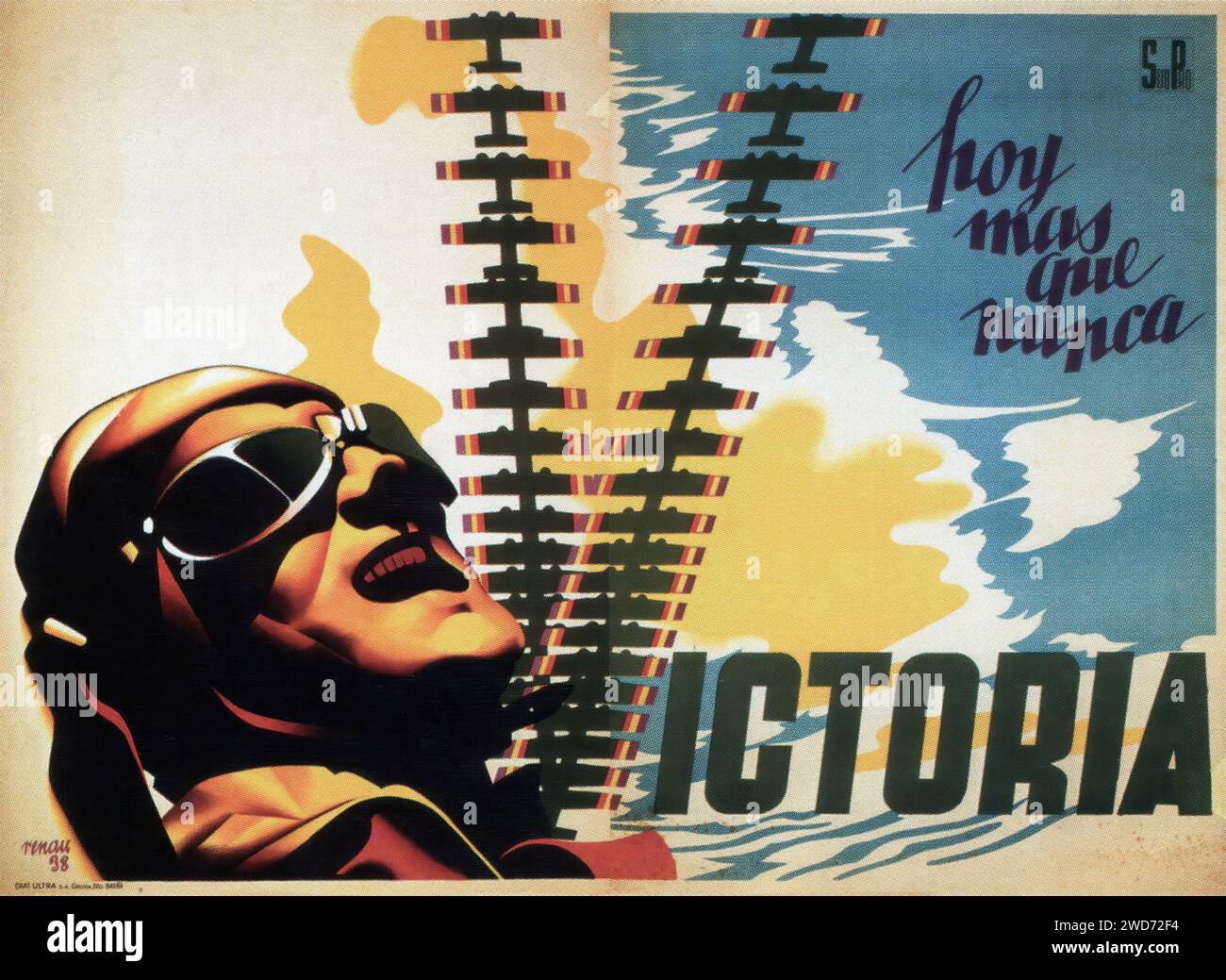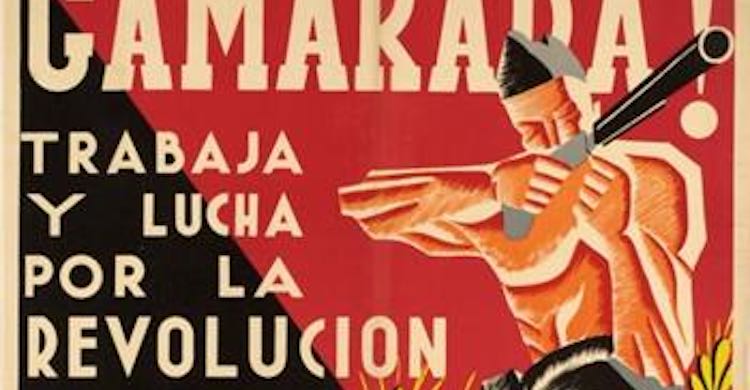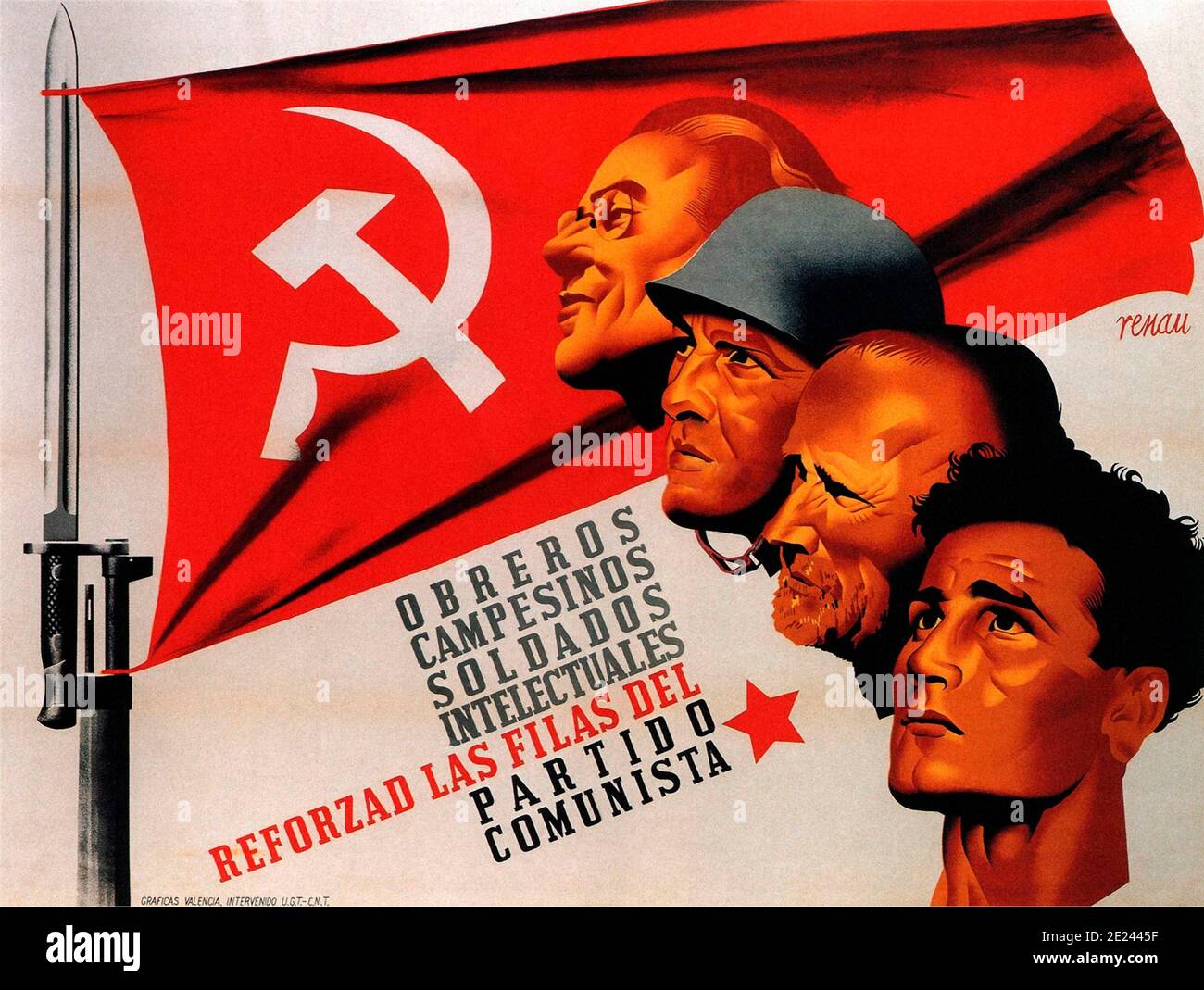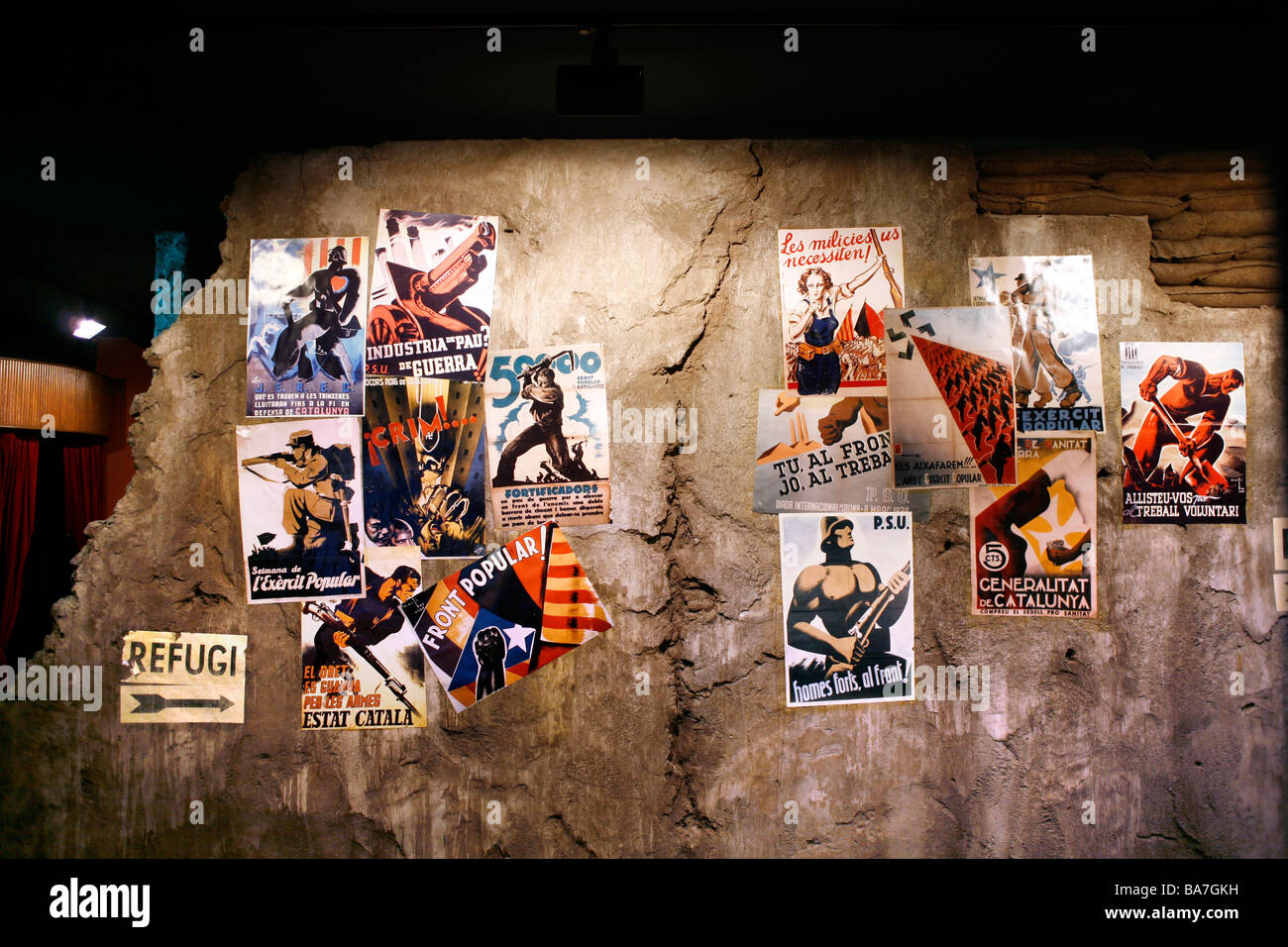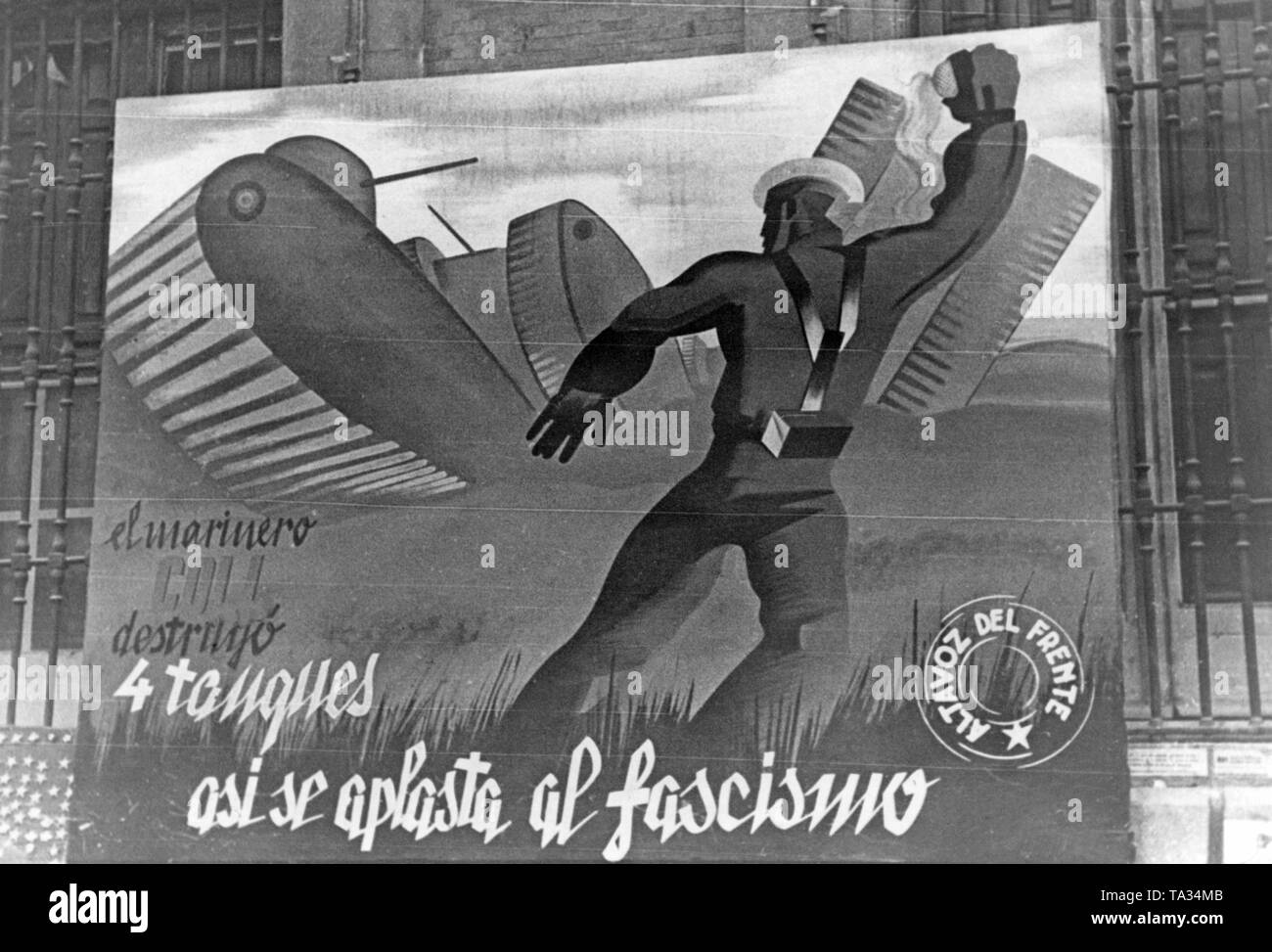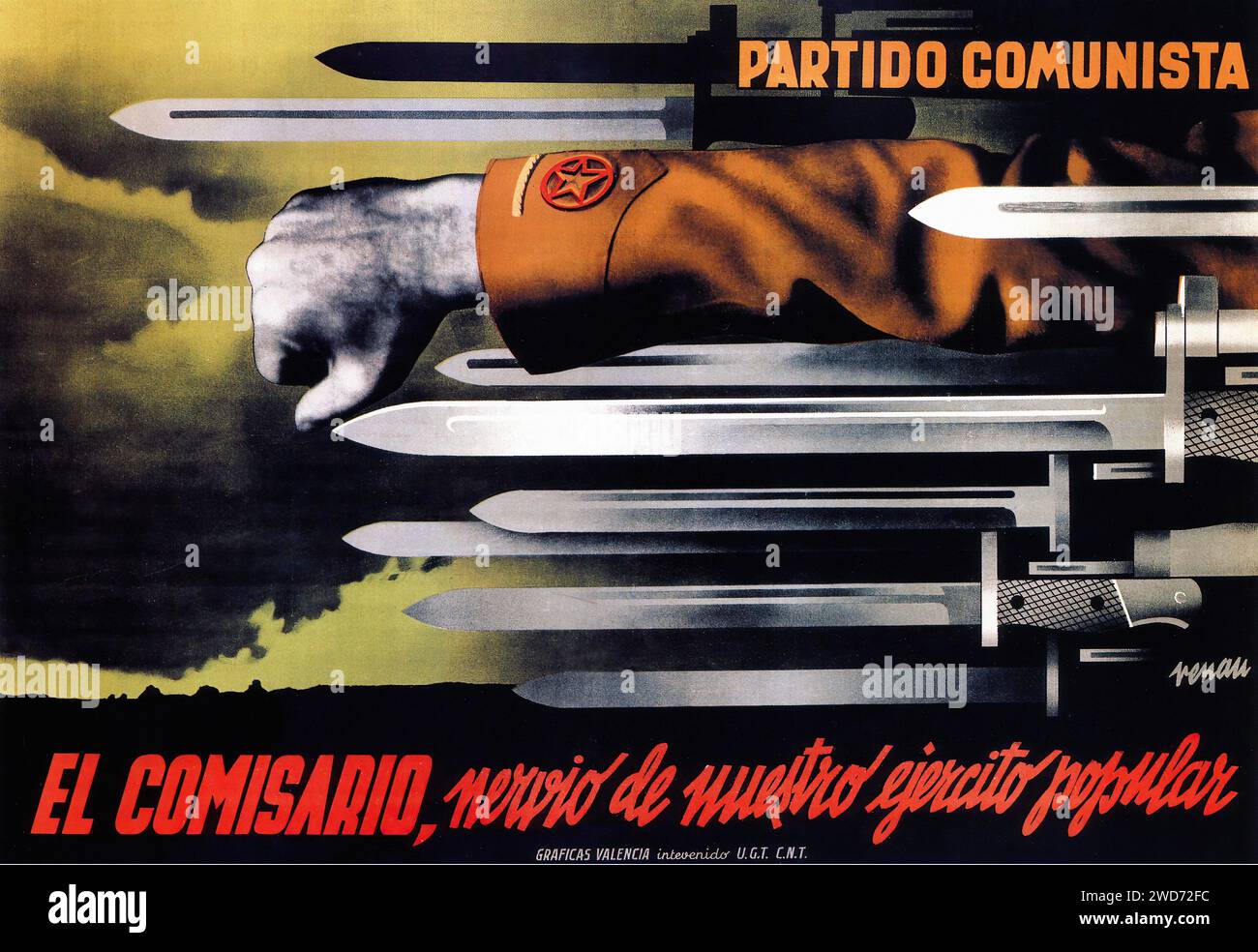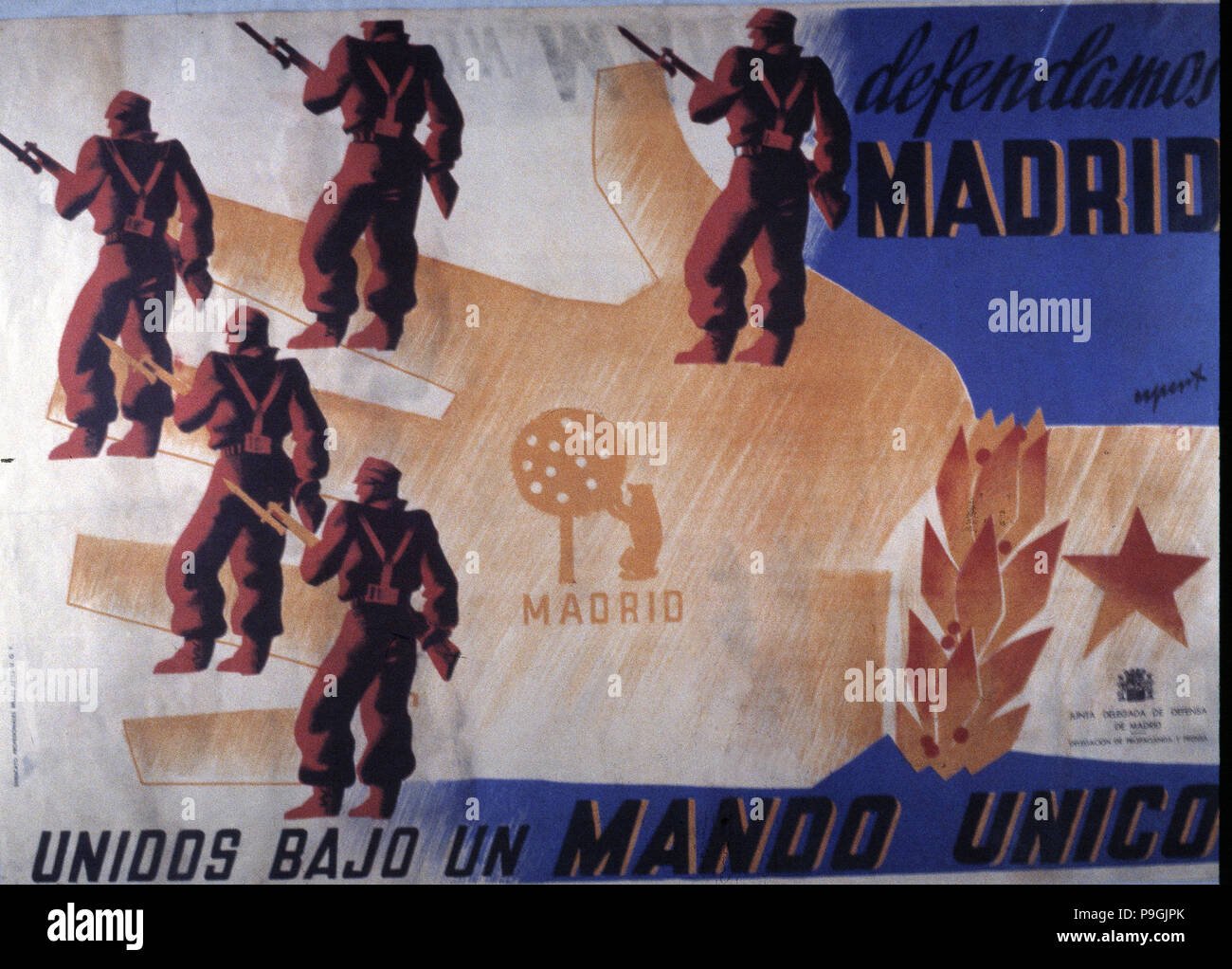
Salut les curieux ! Ever wondered how much a simple poster can pack in terms of history, politics, and even art? Today, we’re diving headfirst into the fascinating world of Spanish Civil War propaganda posters – “Affiches de Propagande Guerre Civile Espagnole,” as they’re called en français. Forget dusty textbooks; we’re cracking these visual time capsules open with a modern lens, looking at the stories they tell and the tricks they used to sway public opinion. Think of it as Mad Men meets history class, with a dash of Instagram-worthy aesthetics.
Decoding the Canvas: A Crash Course
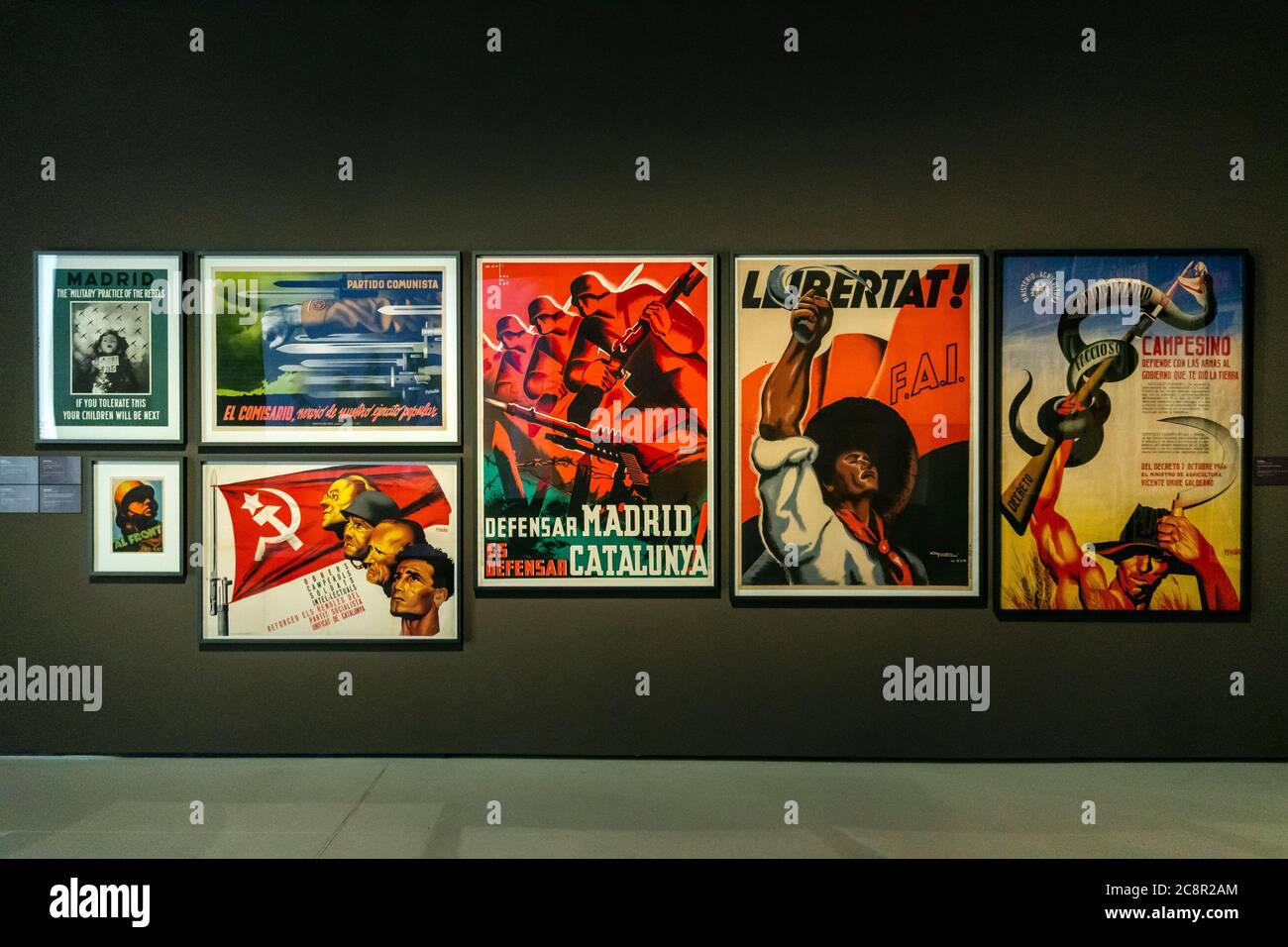
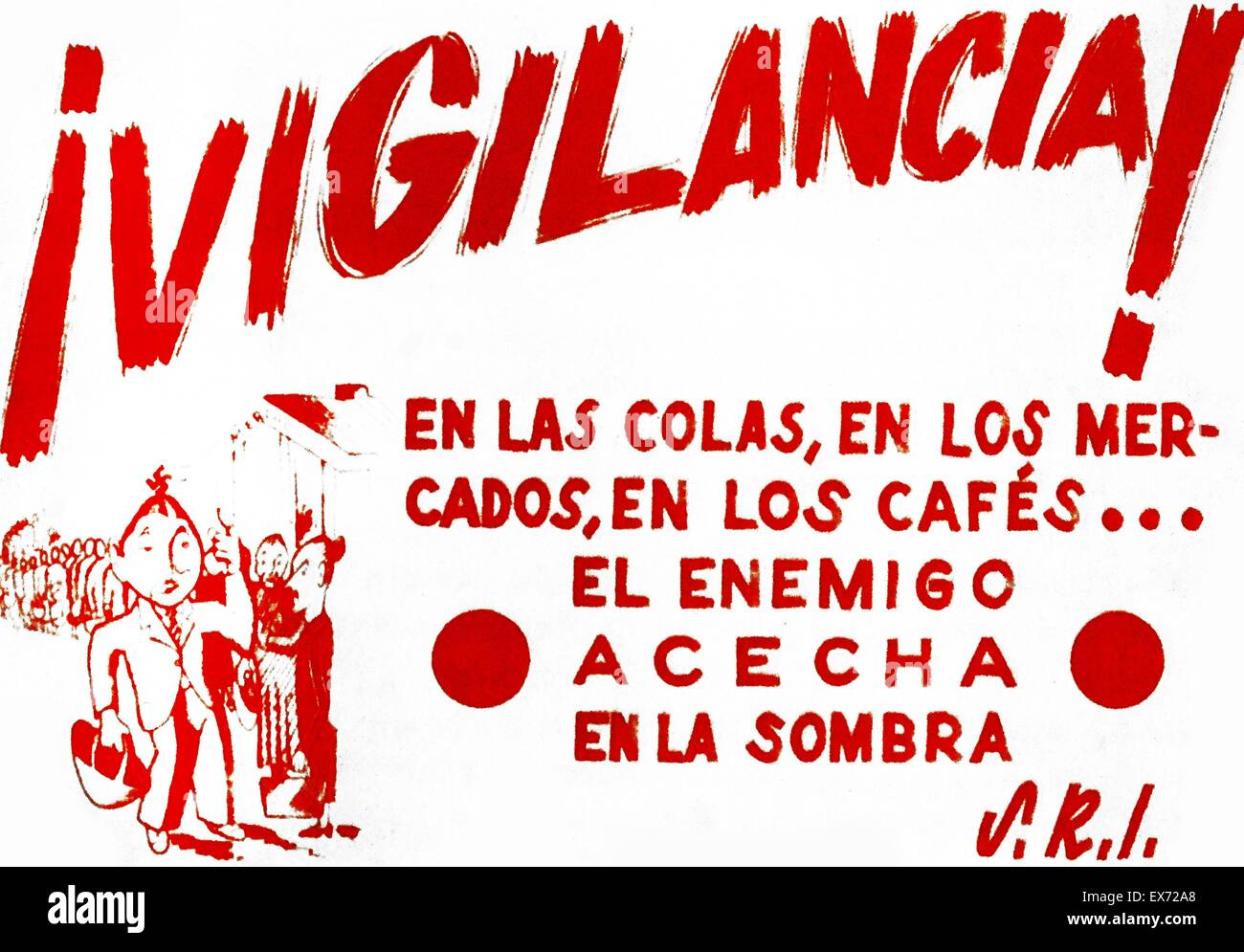
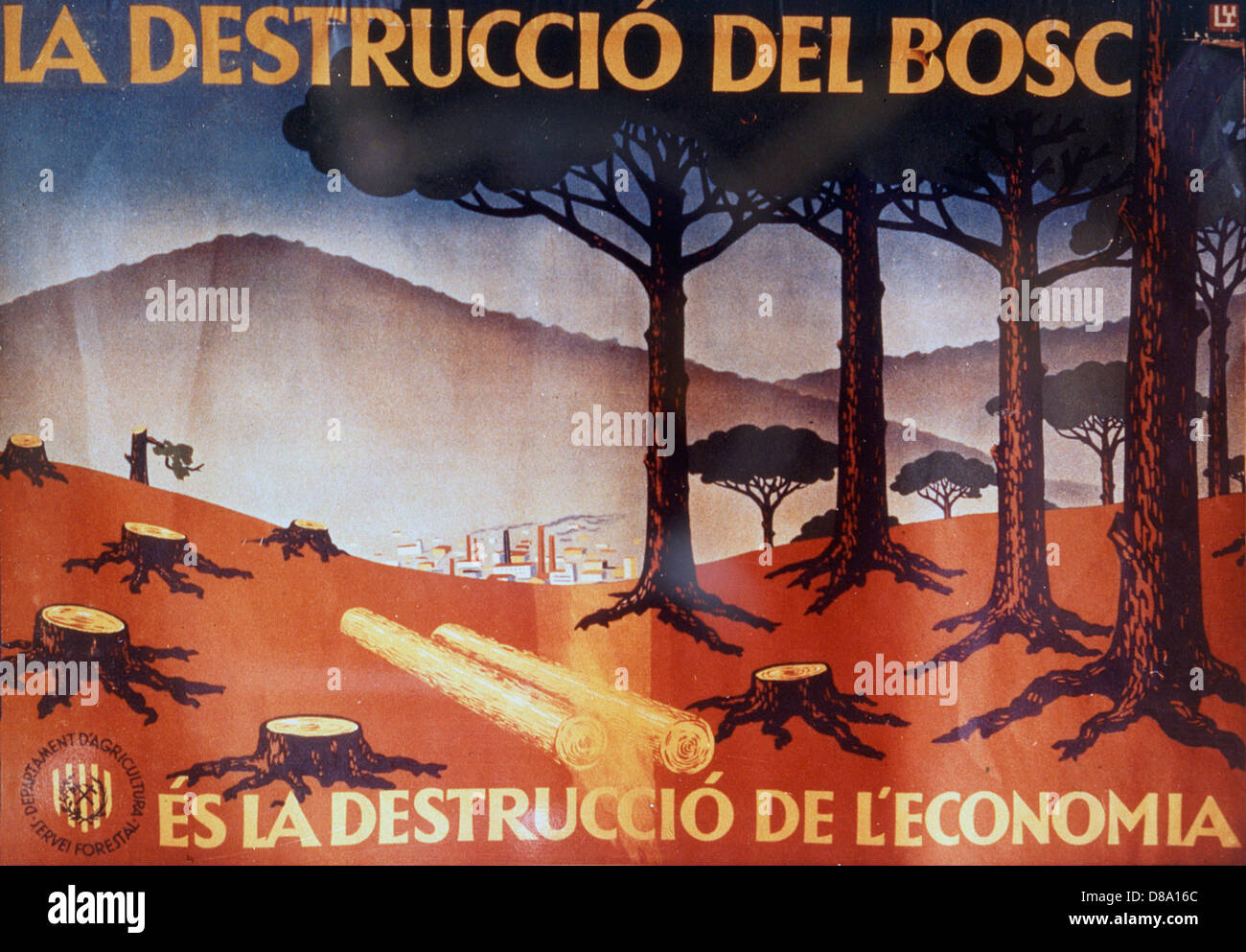
The Spanish Civil War (1936-1939) was a brutal conflict that pitted the Republicans (loyal to the democratically elected government) against the Nationalists (a rebel faction led by General Francisco Franco). Both sides understood the power of propaganda, and posters became a crucial weapon in their arsenal. They were cheap to produce, easy to distribute, and capable of reaching a wide audience, even those who couldn’t read. Think of them as the 1930s equivalent of viral memes!
Key Elements to Watch Out For:
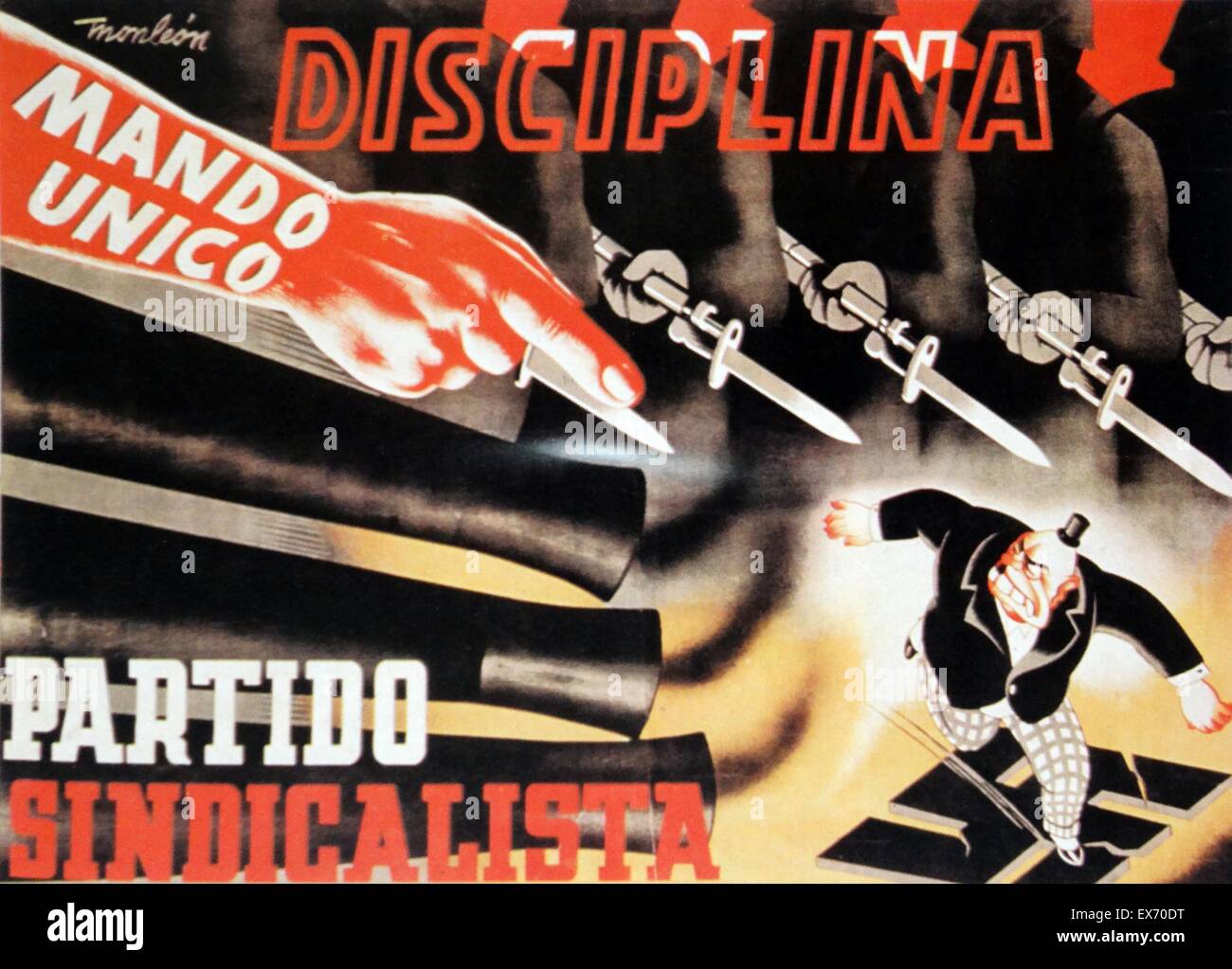
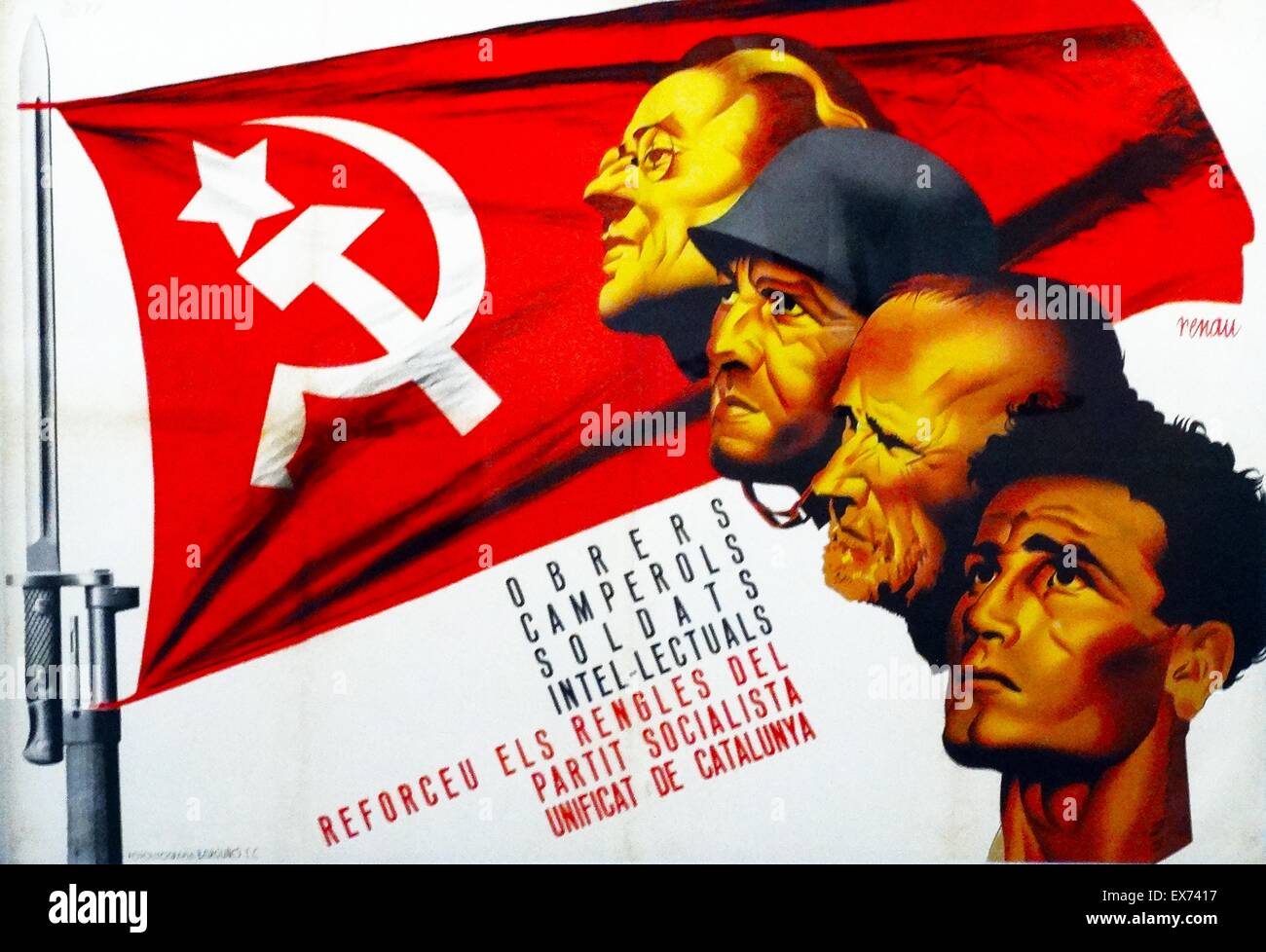
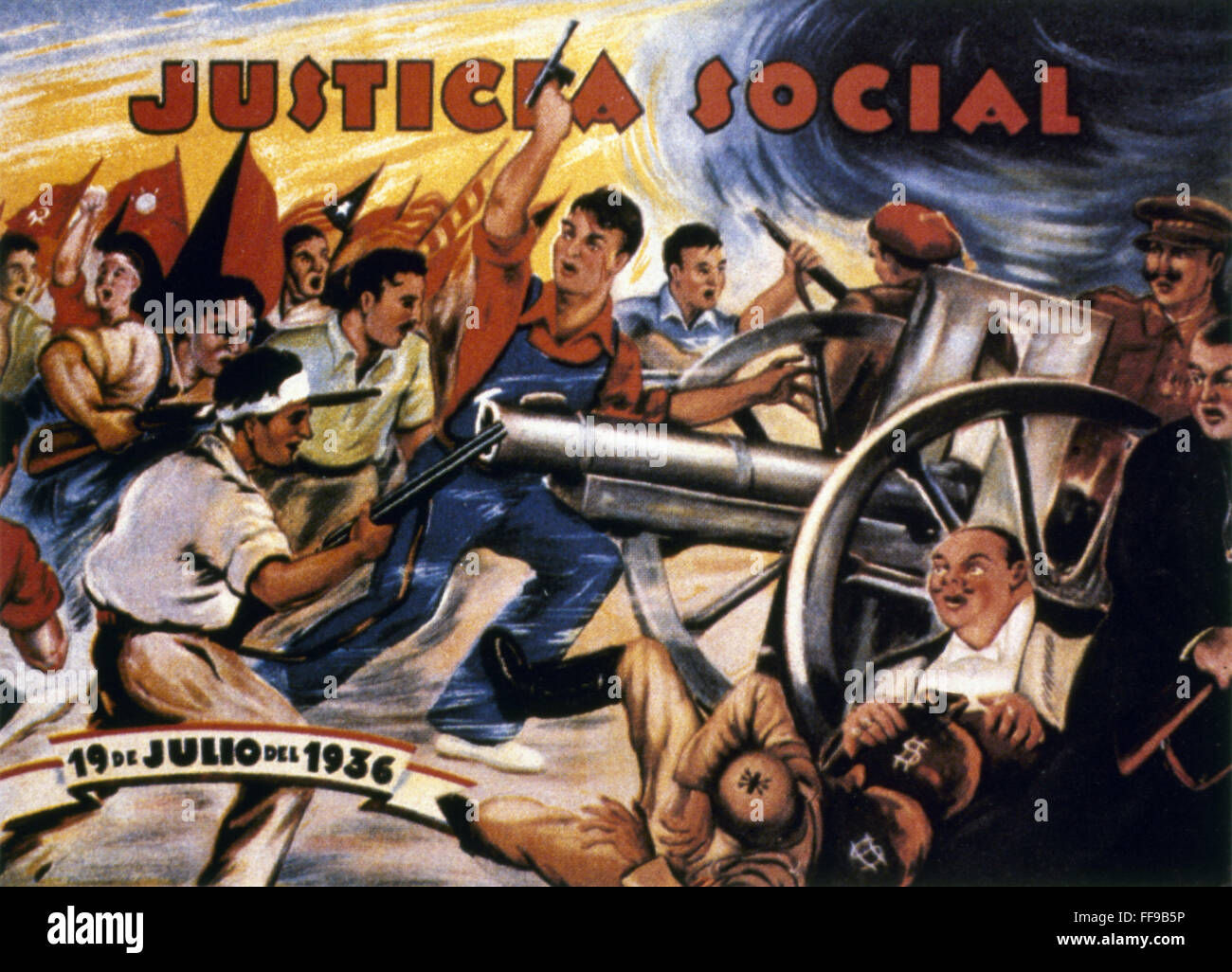
- Symbolism Overload: Expect lots of symbolic imagery. Red flags for the Republicans, eagles and religious imagery for the Nationalists. Fists, broken chains, skulls… the visual vocabulary is rich and often quite dramatic.
- Bold Typography: No Helvetica here! Think strong, declarative fonts designed to grab attention. The messages are often short, sharp, and emotionally charged.
- Color Theory 101: Color wasn’t just about looking pretty. Red often represented socialism or communism, while black could signify death or fascism. Blue was sometimes associated with the Falange, the Spanish fascist party.
- Stereotypes and Caricatures: Unfortunately, many posters relied on negative stereotypes to demonize the enemy. Recognizing these biased portrayals is crucial to understanding the context.
Republican Posters: A Burst of Energy and Hope
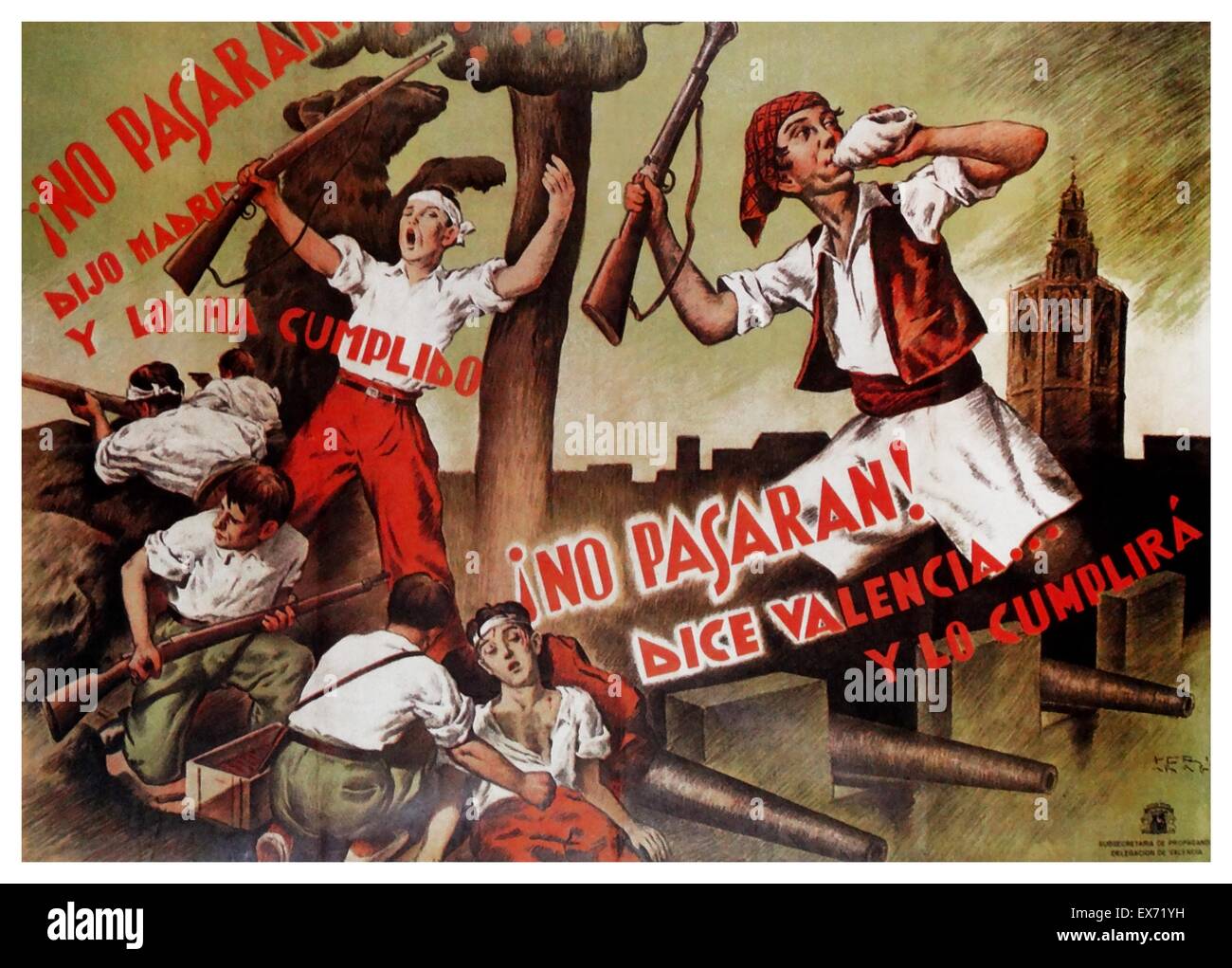
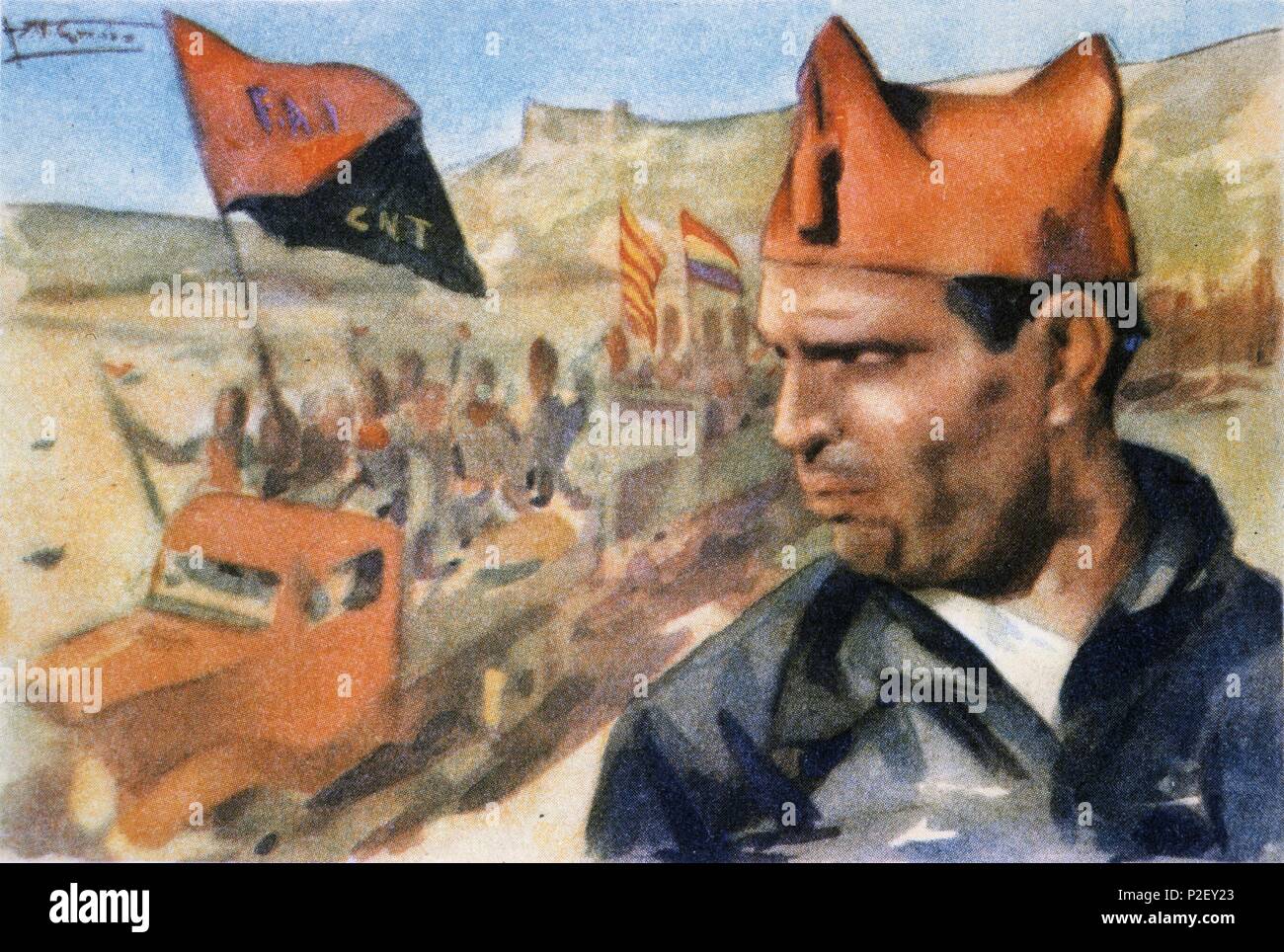
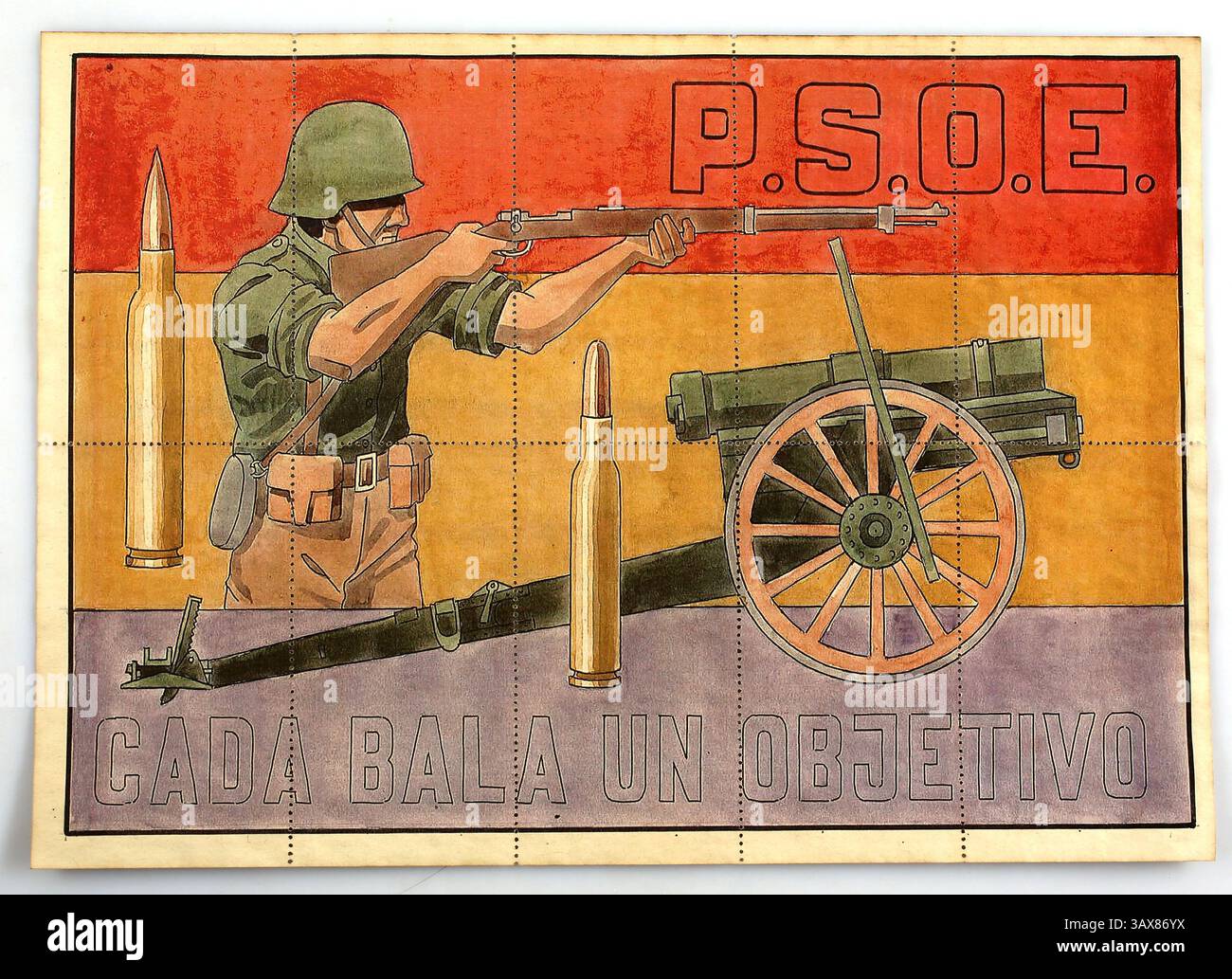
Republican posters often projected an image of unity, progress, and resistance. They aimed to inspire the working class, farmers, and intellectuals to fight for their freedom and defend the Republic against the fascist threat. Expect slogans like “¡No Pasarán!” (“They Shall Not Pass!”) – a rallying cry of defiance – and images of strong, determined figures ready for action.
One recurring theme was the depiction of the “miliciano,” the citizen soldier. These were ordinary people who took up arms to defend their ideals. Posters often showed them as brave and dedicated, highlighting the idea that the Republic was worth fighting for. Think of them as the original superhero origin stories, but with a decidedly socialist twist.
Another popular tactic was to emphasize the social progress made under the Republic, such as land reform and education. These posters aimed to demonstrate that the Republicans were fighting for a better future for all Spaniards.
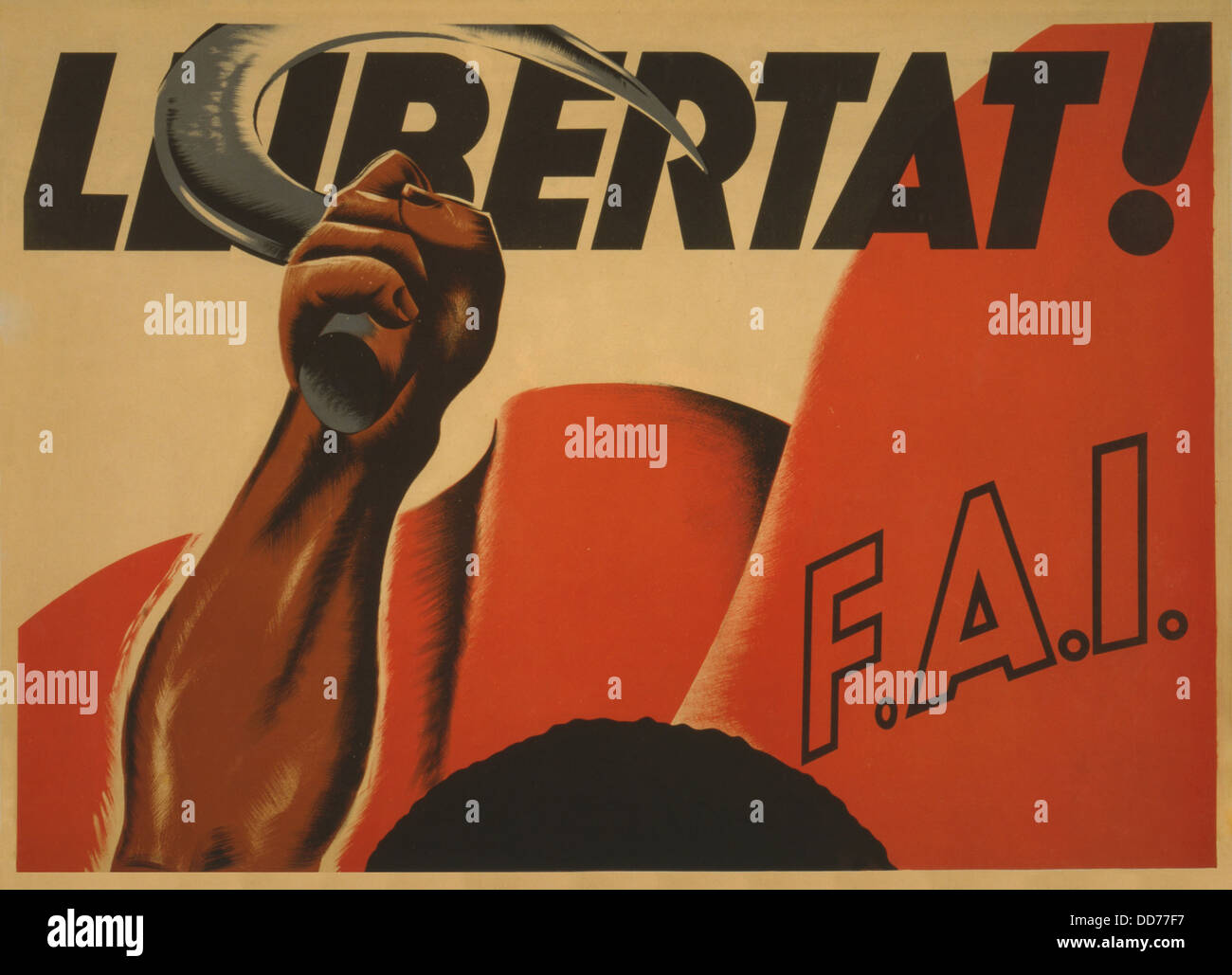
Fun Fact:
Many Republican posters were influenced by Soviet revolutionary art, particularly the work of artists like El Lissitzky. You’ll see a similar emphasis on bold geometric shapes, dynamic compositions, and powerful messaging. International solidarity was a key theme, and many foreign volunteers joined the Republican cause.
Nationalist Posters: Order, Tradition, and Fear
Nationalist posters, on the other hand, emphasized order, tradition, and national unity. They portrayed the Republicans as chaotic, godless, and destructive forces who threatened the very fabric of Spanish society. The Catholic Church played a significant role in Nationalist propaganda, with posters often depicting religious imagery and promoting traditional family values.
A key figure in Nationalist propaganda was Francisco Franco himself. He was often portrayed as a strong, paternalistic leader who would restore order and protect Spain from the evils of communism and anarchy. Think of him as the ultimate “strongman” archetype, amplified by powerful visual rhetoric.
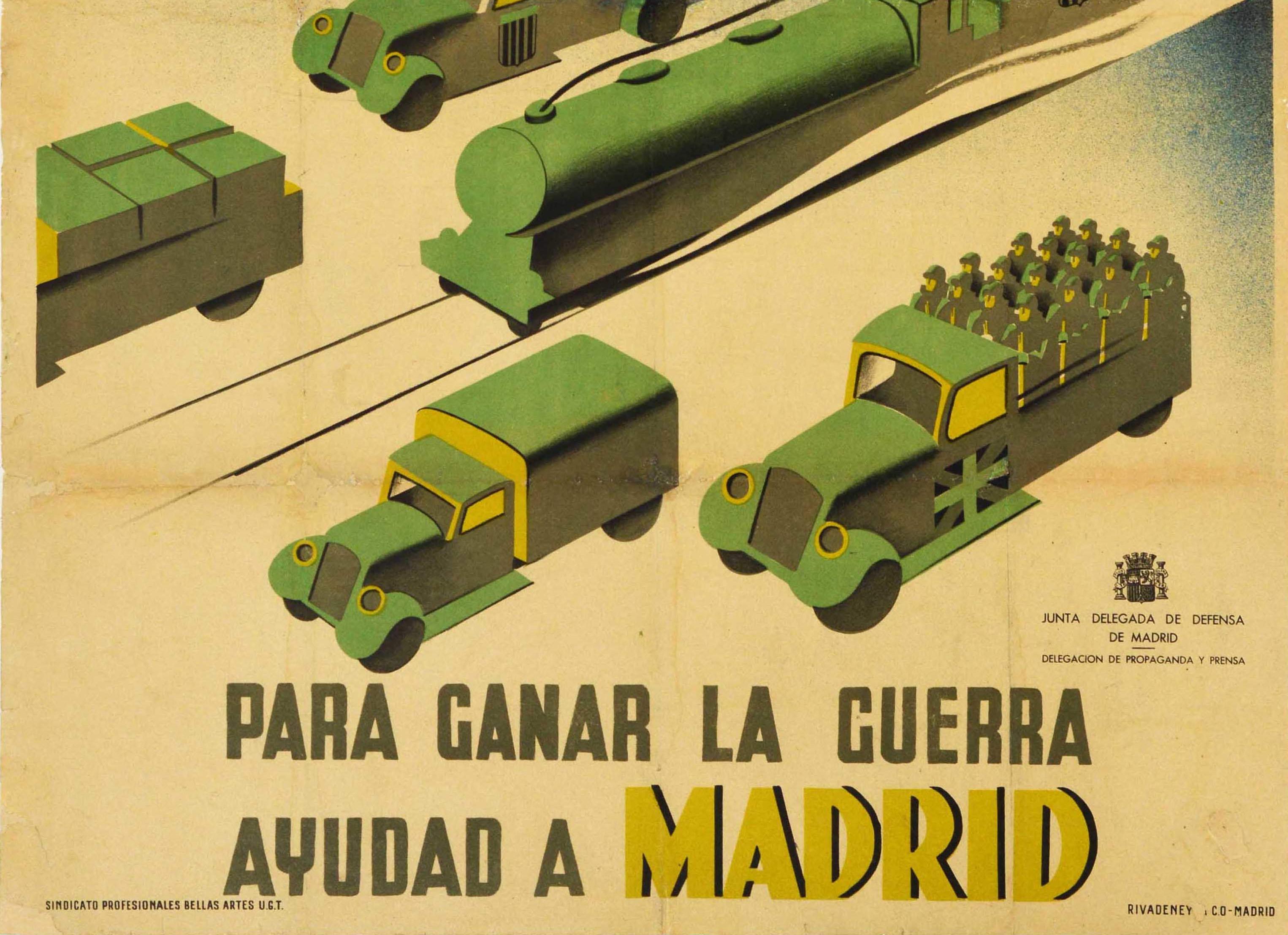
Nationalist posters frequently invoked the “glorious past” of Spain, harking back to the days of the Spanish Empire and the Reconquista (the Christian reconquest of Spain from the Moors). They aimed to appeal to a sense of national pride and to legitimize the Nationalist rebellion as a defense of Spanish identity. The color palette tends to be more muted, conveying a sense of gravitas and solemnity.
Practical Tip:
When analyzing any historical document, it’s essential to consider the source. Ask yourself: Who created this poster? What was their agenda? Who was the intended audience? Understanding the context will help you to interpret the message more accurately.
Beyond the Battlefield: Cultural References and Echoes
The impact of the Spanish Civil War extended far beyond the battlefield. The conflict inspired countless artists, writers, and filmmakers, and its legacy continues to resonate today. Think of Ernest Hemingway’s “For Whom the Bell Tolls,” George Orwell’s “Homage to Catalonia,” or Picasso’s iconic painting “Guernica.” These works are powerful testaments to the human cost of war and the enduring power of resistance.
The Spanish Civil War also had a profound impact on popular culture. The song “Bella Ciao,” originally an Italian folk song, became a popular anthem of the anti-fascist resistance in Spain. It’s now sung around the world as a symbol of freedom and solidarity.
Even in modern advertising, you can see echoes of the techniques used in Spanish Civil War propaganda. Bold typography, striking imagery, and emotionally charged messaging are still used to persuade consumers and influence public opinion. Understanding the history of propaganda can help you to become a more critical and informed consumer of media.

A Modern Analogy:
Consider how political campaigns use social media today. They carefully craft messages, target specific demographics, and use visual cues to influence voters. The underlying principles are the same as those used in Spanish Civil War propaganda, but the technology has evolved.
So, What’s the Takeaway?
Analyzing “Affiches de Propagande Guerre Civile Espagnole” isn’t just about studying history. It’s about understanding the power of visual communication, the manipulation of emotions, and the enduring struggle for freedom and justice. These posters offer a glimpse into a turbulent period in history, but they also provide valuable insights into the human condition. They remind us that words and images can be powerful weapons, and that it’s our responsibility to critically examine the messages we receive.
Ultimately, studying these posters encourages us to be more mindful of the narratives that shape our own perceptions of the world. We can apply these analytical skills to deciphering the news we consume, the advertisements we see, and even the conversations we have. By becoming more aware of the techniques used to influence our thinking, we can become more independent and critical thinkers in our daily lives. And who knows, maybe you’ll even impress your friends with your newfound knowledge of Spanish Civil War art! Hasta la vista, propagande!