Okay, so picture this. My friend Sophie, bless her heart, was dealing with the aftermath of her grandma’s passing. It was a whole thing – lots of paperwork, you know the drill. Turns out, grandma hadn’t left a will. Chaos ensued, naturally. That’s when someone mentioned this mysterious “Acte de Notoriété”. Sophie looked at me, I looked at her… it felt like we were in a French legal drama. Anyone else feel like legal terms are deliberately confusing?
Which got me thinking… what is an Acte de Notoriété, really? Why is it so important (especially when someone forgets to, you know, write a will – ahem, grandma!)? Let’s dive in, shall we? Consider this your friendly, non-legalese guide to this crucial French document.
Acte de Notoriété: Demystified
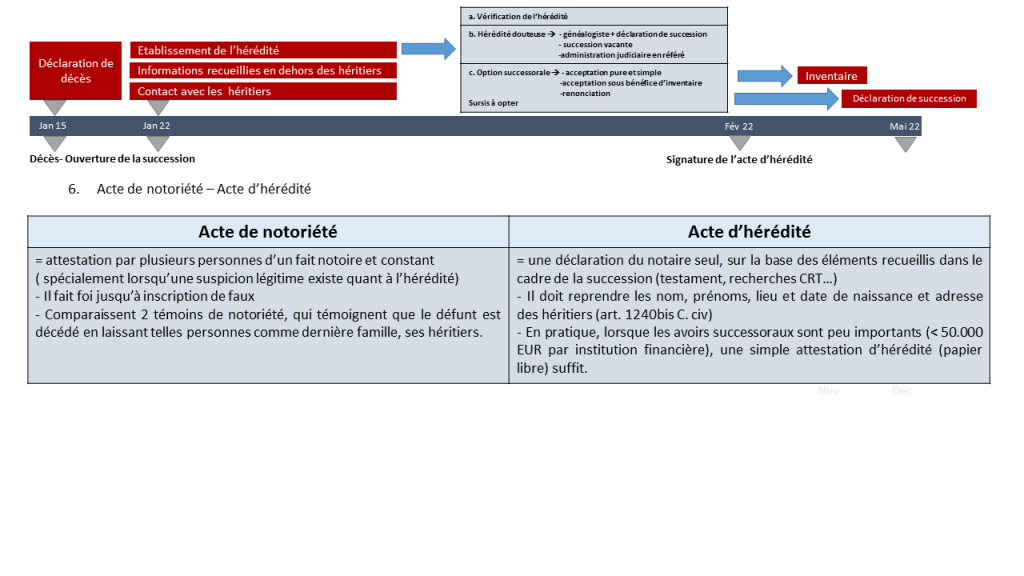
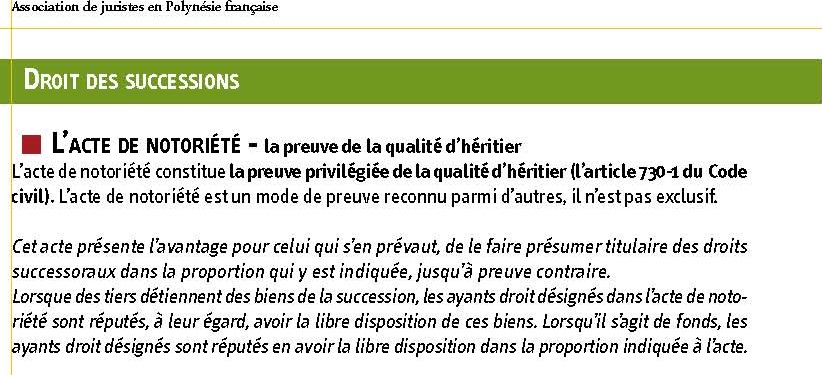
Basically, an Acte de Notoriété is a legal document used in France to formally establish the heirs of a deceased person when there is no will (or when the will doesn’t cover everything, which happens more often than you’d think!). It’s like saying, “Okay, Grandma didn’t say who gets the antique teacup, but these people are definitely her rightful heirs.”
Think of it as a legal “roll call” of inheritors. This document is essential for unlocking the deceased’s assets – bank accounts, property, the aforementioned antique teacup collection… You name it! Without it, you’re pretty much stuck. No “passing go, collecting 200 euros” without it, my friends.
Why You Need This Thing
So, why can’t you just, I don’t know, claim you’re the rightful heir? Well, because things don’t work that way in France (or really, most places). Banks, insurance companies, and other institutions need proof. They need something official to rely on before handing over money or assets. That’s where the Acte de Notoriété swoops in to save the day.

Here’s a breakdown of why it’s crucial:
- Unlocking Assets: Accessing bank accounts, selling property, and managing investments all require this document. Imagine trying to sell grandma’s house without it! Nightmare fuel.
- Legal Proof: It provides formal legal proof of who the heirs are, preventing future disputes and family drama (which, let’s be honest, is sometimes inevitable anyway, but at least you’ve got your legal ducks in a row!).
- Avoiding Complications: Without it, you’re basically swimming in a sea of legal red tape. The Acte de Notoriété helps streamline the inheritance process.
Basically, without it, you’re stuck in inheritance limbo. And nobody wants that.
How to Get Your Hands on One
Alright, so you know what it is and why you need it. Now, the million-euro question: how do you get an Acte de Notoriété?
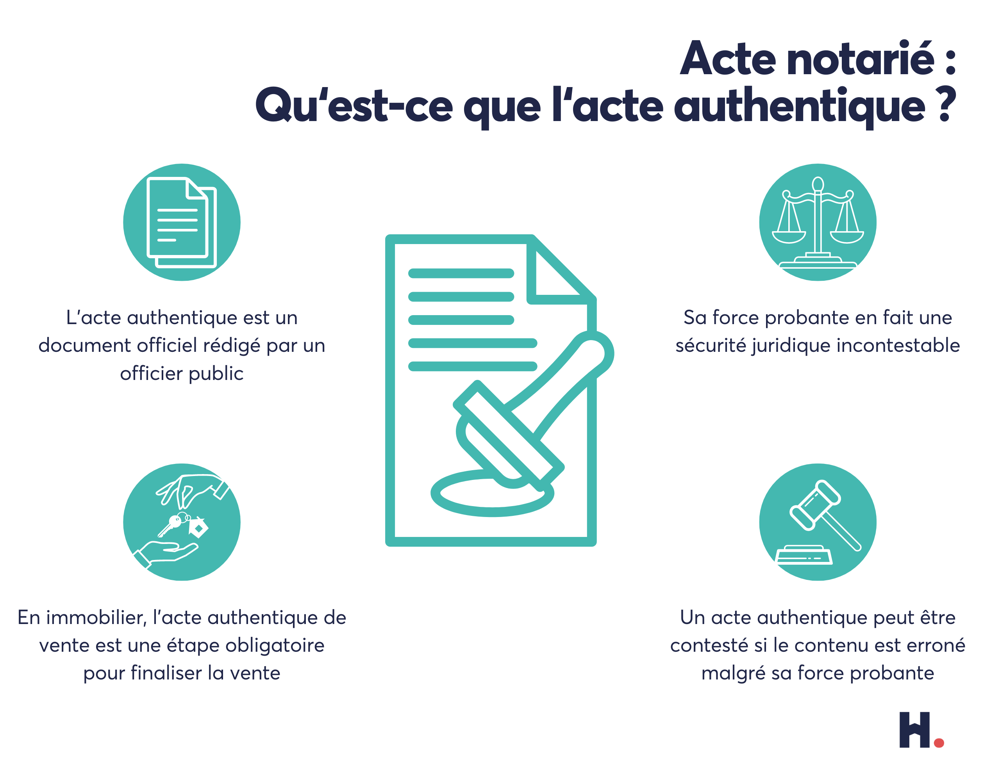
Here’s the deal: you need to go to a Notaire (a French notary). They are the only ones authorized to create this document. Notaires are like super-powered lawyers who specialize in certain areas, like real estate and inheritance. Think of them as the gatekeepers of French legal documentation. You can’t just print one off the internet (trust me, I checked!).
Here’s the process:
- Find a Notaire: Search online for a Notaire in the area where the deceased lived. Recommendations from friends or family are always a good start, too.
- Gather Your Documents: The Notaire will need certain documents to prepare the Acte de Notoriété. This usually includes:
- The deceased’s death certificate (acte de décès).
- Proof of family relationships (birth certificates, marriage certificates, etc.). Think of it as building a family tree on paper!
- Any relevant legal documents (like a marriage contract, if there is one).
- Identification documents for all the presumed heirs.
- Information about the deceased’s assets (bank accounts, property deeds, etc.). Basically, an inventory of everything they owned.
Side note: The more organized you are with these documents, the smoother the process will be. Trust me, your Notaire will thank you (and you’ll save yourself a headache!).
- Meet with the Notaire: The Notaire will interview the presumed heirs to confirm their identities and relationships to the deceased. This is where you’ll swear (metaphorically, hopefully!) that you’re telling the truth.
- Sign the Acte de Notoriété: Once the Notaire is satisfied, they will draft the Acte de Notoriété. All the heirs (or their legal representatives) will need to sign it in front of the Notaire.
And there you have it! You’ve successfully navigated the process and obtained your Acte de Notoriété. Now you can finally get your hands on grandma’s antique teacups (and maybe even sell the house!).

Important Considerations
A few things to keep in mind:
- Cost: Getting an Acte de Notoriété isn’t free. The cost depends on the complexity of the inheritance and the Notaire’s fees. Be sure to ask for an estimate upfront! Notaires are legally required to provide an estimate.
- Timeline: The time it takes to obtain an Acte de Notoriété can vary. It depends on how quickly you can gather the necessary documents and how busy the Notaire is. Be patient!
- Disputes: If there are disputes among the heirs, the process can become more complicated and time-consuming. It might even require going to court. Let’s hope it doesn’t come to that!
- Amendments: If new information comes to light after the Acte de Notoriété has been issued (like a long-lost relative suddenly appearing!), it may need to be amended. More paperwork, yay!
Pro-Tip: Communication is key! Keep in close contact with your Notaire and ask questions if you’re unsure about anything. They’re there to help (even if they sometimes speak in legalese that no one understands!).
Acte de Notoriété: Avoiding Common Pitfalls
Navigating the world of French inheritance law can be tricky. Here are a few common pitfalls to avoid:
- Delaying the Process: Don’t procrastinate! The sooner you start the process, the better. Waiting too long can complicate things and make it harder to access the deceased’s assets.
- Ignoring Creditors: The Acte de Notoriété also establishes the heirs’ responsibility for the deceased’s debts. Ignoring creditors won’t make them go away!
- Assuming You Know Everything: Even if you think you know who the heirs are, it’s important to go through the proper legal channels. Don’t rely on assumptions or hearsay.
- Not Seeking Professional Advice: Don’t try to handle the inheritance process on your own, especially if it’s complex. A Notaire can provide valuable guidance and ensure that everything is done correctly.
In Conclusion (For Now!)
So, there you have it – a (hopefully) clear and concise explanation of the Acte de Notoriété. It’s not exactly the most exciting topic, I know. But understanding this document is essential for anyone dealing with an inheritance in France. It might seem daunting at first, but with a little patience and the help of a good Notaire, you can navigate the process successfully.
And who knows, maybe you’ll even get to inherit that antique teacup collection after all. Good luck! (And maybe encourage your loved ones to write a will. Just saying! 😉)
Disclaimer: I’m not a lawyer or a Notaire. This is just a simplified explanation of the Acte de Notoriété for informational purposes only. Always consult with a qualified professional for legal advice!



/image%252F6828221%252F20230707%252Fob_724a14_photo-acte-de-notoriete.jpg)